Executive Summary
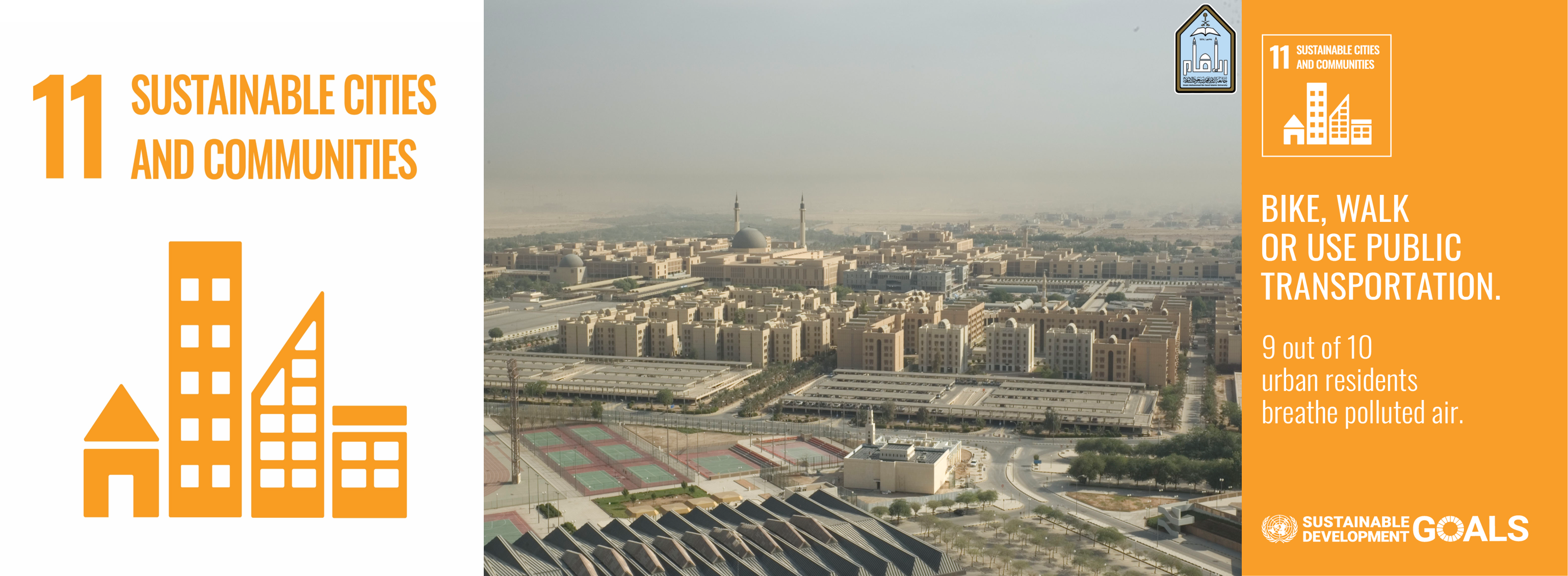
Sustainable Development Goal 11 (SDG 11), "Sustainable Cities and Communities," Goal 11 | Department of Economic and Social Affairs is a cornerstone for achieving comprehensive global development. It focuses on making cities safer, more inclusive, resilient, and sustainable. With increasing urbanization rates, challenges associated with environmental pollution, infrastructure pressure, and rising demand for essential services multiply. Through Saudi Vision 2030, the Kingdom of Saudi Arabia is addressing rapid urban expansion in its cities and regions by investing in sustainable urban development, enhancing infrastructure, and ensuring environmental preservation. These efforts include transformative projects and policies aimed at improving the quality of life for citizens while preserving the country's cultural heritage and natural environment. Hence, the contribution of universities, as educational, research, and community institutions, becomes crucial in supporting this goal by integrating sustainability principles into their activities, educational and research programs, and community services.
Interconnection with Other Sustainable Development Goals
SDG 11 (Sustainable Cities and Communities) is closely linked to the rest of the Sustainable Development Goals, as it contributes to addressing poverty and hunger (Goals 1 and 2), improving health and education, and providing decent work (Goals 3, 4, 8). It also supports innovation and sustainable infrastructure (Goal 9). Furthermore, it is connected to protecting terrestrial and aquatic ecosystems (Goals 14 and 15), and enhancing adaptation to climate change and reliance on clean energy (Goals 7 and 13). Thus, Goal 11 forms an integrative axis for achieving more comprehensive and sustainable development.
Saudi Government Efforts to Achieve SDG 11
The Kingdom of Saudi Arabia attaches great importance to achieving sustainable urban development within Vision 2030, having set a group of initiatives and projects aimed at enhancing quality of life and building more resilient, inclusive, and sustainable cities. The most prominent of these efforts can be summarized as follows:
- Developing Smart Cities: The Kingdom is working on establishing pioneering future
cities such as NEOM, The Line, and Qiddiya, which represent new urban models
based on integrating advanced technology with
sustainability principles. These cities aim to enhance community connectivity,
encourage the use of clean energy, and develop modern urban planning that supports sustainable living pattern
- Urban Planning and Infrastructure: The Kingdom seeks to modernize transportation systems through major projects such as the Riyadh Metro and the Haramain High-Speed Rail, along with developing public bus networks in major cities. Sustainable urban planning focuses on creating mixed-use neighborhoods, pedestrian walkways, and public green spaces that contribute to improving the urban environment.
- Affordable Housing Initiatives: The government has launched programs such as "Sakani" to provide affordable housing that ensures a safe and livable environment for citizens, offering subsidies and financing options that support low- and middle-income families in obtaining suitable housing.
- Preservation of Cultural Heritage: The Kingdom attaches great importance to protecting its historical and cultural heritage through restoration and preservation projects of prominent landmarks such as Diriyah and AlUla. These efforts contribute to strengthening national identity, developing sustainable tourism, and creating new economic opportunities related to culture and heritage.
- Environmental Sustainability: Through the Saudi Green Initiative, the Kingdom is working to combat desertification, expand green spaces, and increase afforestation to improve air quality and promote urban sustainability. It also supports renewable energy projects and waste management programs to reduce the carbon footprint and improve the quality of life in cities.
- Disaster Risk Reduction: National efforts include developing early warning systems and strategies to enhance infrastructure resilience to natural disasters such as floods and extreme heatwaves. Risk assessment is also integrated into urban planning schemes to ensure the protection and sustainability of communities.
- Community Participation and Inclusivity: The Kingdom encourages citizen participation in urban planning processes to ensure the needs of all groups are met, including participation in enhancing transparency and supporting the building of more inclusive and cohesive communities. This includes marginalized groups. These efforts contribute to this.
Role of Imam Mohammad Ibn Saud Islamic University (IMSIU) in Achieving Goal 11
Imam Mohammad Ibn Saud Islamic University contributes to achieving Goal 11 by promoting sustainable practices on campus, encouraging community engagement, and integrating urban sustainability into its academic programs and research, where it works to:
- Integrate green building practices, energy efficiency systems, and water conservation procedures in the design and operation of the university campus.
- The campus includes green spaces and pedestrian-friendly pathways to promote a healthy and sustainable environment for students and staff.
- Offer
courses in urban planning, sustainability, and environmental sciences to provide students with
knowledge about sustainable cities and communities.
- Research
initiatives focus on topics such as smart city development, sustainable
housing, and urban resilience.
- Organize
workshops, seminars, and public lectures on sustainable urban development and
environmental preservation.
- Partnerships
with government agencies and non-governmental organizations to support
affordable housing initiatives, heritage protection, and disaster preparedness.
- The
university emphasizes the importance of preserving Saudi cultural heritage and integrating it into urban development.
- Organize
events and projects that highlight the role of Islamic principles in promoting sustainable and inclusive communities.
- Encourage
sustainable transportation methods such as electric cars, bicycles, and car-sharing
among students and staff.
- Campus
design focuses on accessibility and walkability to reduce reliance on vehicles.
- Organize
campaigns to raise awareness about sustainable living practices, waste reduction, and urban sustainability.
- Encourage students and staff to participate
in tree-planting campaigns and
recycling programs as part of their contribution to Goal 11.
By integrating sustainability into campus design, educational programs, and community initiatives, Imam University aligns with national urban development efforts. It also contributes to establishing a culture of sustainability and inclusivity, and preparing future leaders to face the challenges of urbanization and build sustainable cities and communities. Through these efforts, the university supports national priorities and international commitments to achieving Goal 11. Imam Mohammad Ibn Saud Islamic University plays a prominent role in this field through a package of initiatives that combine environmental, social, and cognitive dimensions, thus solidifying its position as a leading educational institution that keeps pace with Saudi Vision 2030 and its international commitments towards the Sustainable Development Goals.
Enhancing Green Spaces and Improving the Urban Environment
The university launched an afforestation program aimed at planting 100,000 trees in the university city, as part of the "Saudi Green Initiative." It began by planting 3,000 trees in student housing and other areas within the university. This step contributes to improving air quality, lowering temperatures in the urban environment, enhancing biodiversity, and providing a healthy and safe environment for the university community.
Link to the initiative
Green Buildings and Environmental Policies
The university has adopted sustainable building practices in its modern development projects, where buildings are designed according to environmentally friendly standards that focus on energy efficiency and resource conservation. This approach not only reduces the environmental impact of the university campus but also serves as an educational model for students and the community in the fields of sustainable architecture and urban planning. The university also signed an agreement with the National Energy Efficiency Services Company (Tarsheed) to rehabilitate university buildings and enhance their energy consumption efficiency.
Link to the rehabilitation of university campus buildings with the National Energy Efficiency Company.
Supporting Sustainable Transportation and Clean Energy
The university signed a cooperation agreement with the Green Solutions Company to promote the use of renewable energy and develop electric vehicle charging systems within the university campus, alongside training and awareness programs for students and staff. This initiative contributes to spreading a culture of sustainable mobility, reducing carbon emissions, and encouraging the use of eco-friendly vehicles, which aligns with the Kingdom's direction towards net zero.
Link to the agreement
New Parking for Students and Shuttle Bus Service
At the beginning of the second semester, the university launched a shuttle bus service for students between the supporting parking lots (accommodating 3,500 cars) and the colleges. It also allocated new parking spaces for 600 cars in front of Gate 6, and another in the eastern side with a capacity of 2,000 cars. This aims to provide a suitable academic environment and alleviate the burden on students.
Link to the news
Research in Combating Environmental Degradation and Desertification
The university participated in COP16 to present its research and strategies in combating desertification and land degradation. Through this participation, the university affirms its commitment to scientific research directed towards major environmental issues, especially those that directly affect cities and local communities. These efforts contribute to enhancing the resilience of communities to environmental disasters and help restore land and improve the quality of life in urban environments.
Link to the participation
Social
Inclusion and Integration of People with Disabilities
The university organized an event titled "Achieving Sustainable
Development Goals," which focused on integrating people with disabilities
into social and university life. The event included awareness activities and
workshops aimed at introducing the rights of people with disabilities and
available assistive technologies. This step reflects the university's commitment
to equality and providing an inclusive educational and social environment for
all individuals, which enhances one of the most important axes of Goal 11.
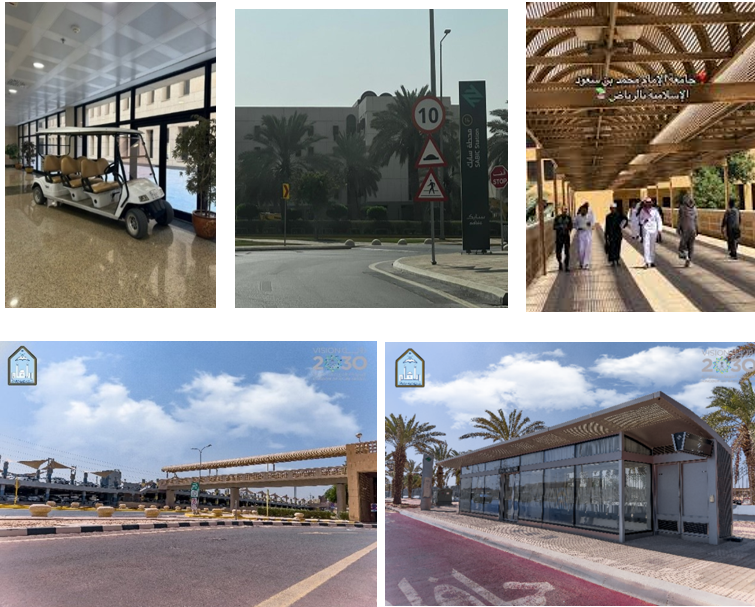
Pedestrain Access
The university prioritizes providing safe and comfortable
pedestrian paths within the university campus, which creates an environment
that encourages sustainable mobility and improves the overall university experience.
Social Responsibility and
Community Service
Through the Social Responsibility and Community
Service Unit, the university works to enhance community participation in
development, by organizing free training courses and open knowledge initiatives for all groups. These
initiatives raise the level of community awareness, provide individuals with
new professional skills, and contribute to building a more inclusive and
sustainable society. Link to the Unit
Link to one of the training activities
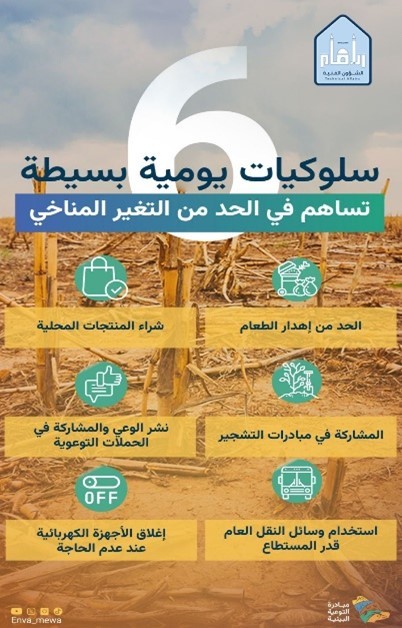
The university launched the "My University, My Beginning" initiative, which aims to empower students to transform their ideas into executable startup projects within the university campus. The initiative provides specialized training and guidance to students, in addition to nominating entrepreneurial projects for actual implementation. This initiative supports the economic and social structure within the university community, enhances a culture of innovation, and helps build a sustainable university environment.
Link to the initiative
P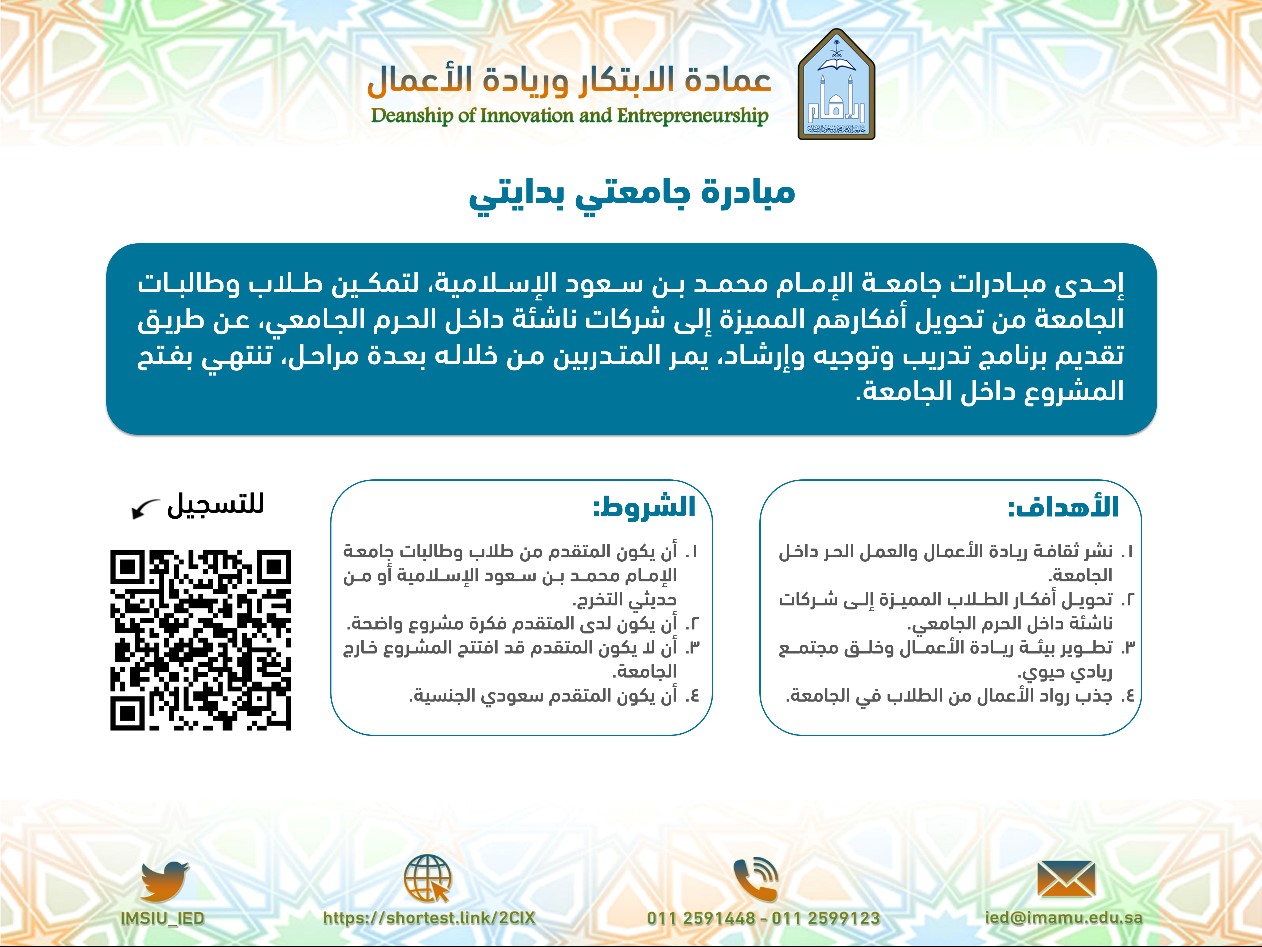
Community
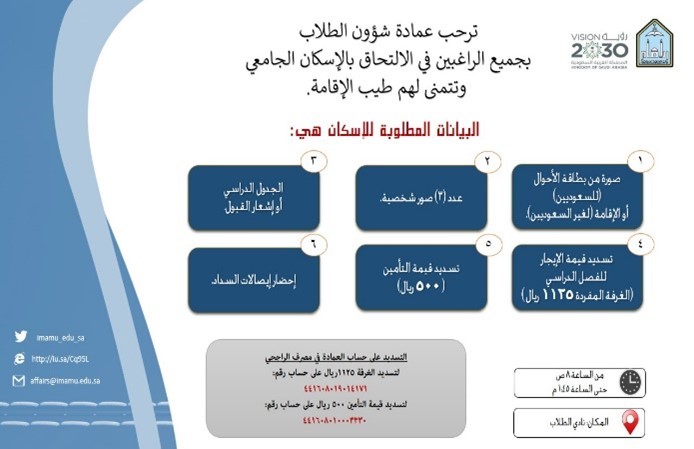
Participation: Housing Initiatives
In addition to providing affordable housing for staff and students, the university participates in community housing initiatives. It joined the "Joud Al-Manateq" campaign organized by the Developmental Housing Foundation "Sakani," which aimed to provide more than 10,000 housing units for needy families in various Saudi cities. This initiative relied on a national platform to support the most needy families and encouraged the contribution of faculty members, students, and community members. Through these efforts, the university affirms its commitment not only to addressing housing challenges for its internal community but also to supporting the well-being of the wider community, which is a fundamental aspect of achieving Goal 11.
Support for Arts and Heritage
Imam Mohammad
Ibn Saud Islamic University (IMSIU) recognizes the vital role that arts and
heritage play in building sustainable communities. Through its diverse
initiatives, the university has integrated heritage preservation and artistic
expression into its academic programs and community service efforts. Public
access to the university's vast libraries, both traditional and digital,
ensures valuable knowledge resources for students and the general public alike.
Additionally, the Museum of the History of Arabic and Islamic Sciences at the
university provides an overview of the contributions of Arab and Muslim
scholars, making it an important educational resource for the community. These
efforts express the university's commitment to making cultural and academic
resources accessible and enhancing the cultural richness of its community.
Cultural Participation
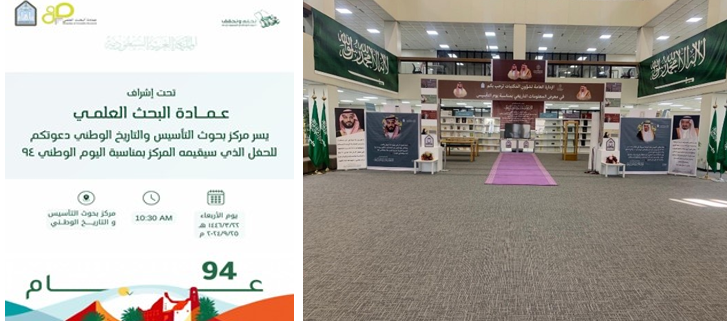
The university's effective contribution to achieving SDG 11 is evident through several key initiatives. Among the most prominent examples is the Research Center for Foundation and National History, affiliated with the Deanship of Scientific Research, which seeks to establish the Saudi historical identity, improve the quality of research related to the establishment of the First Saudi State, and enhance national awareness.
The university also hosts important cultural events, such as the lecture titled "Arabic Language as the Official Language of the Kingdom of Saudi Arabia: The Relationship of the Arabic Language with Identity, Culture, and Historical Heritage," which highlights the role of the Arabic language in shaping cultural identity and preserving historical heritage.
In addition to academic and cultural lectures, the university frequently organizes workshops and seminars to promote sustainable living methods and provide students with the knowledge and skills necessary to contribute to building sustainable cities and communities. For example, the Deanship of Student Affairs recently organized an event titled "The Art of Saudi Cuisine", as part of the university's efforts to enhance cultural interaction and community participation.
IMSIU President Honors Security and Safety Department at the Third International Conference on the History of King Abdulaziz
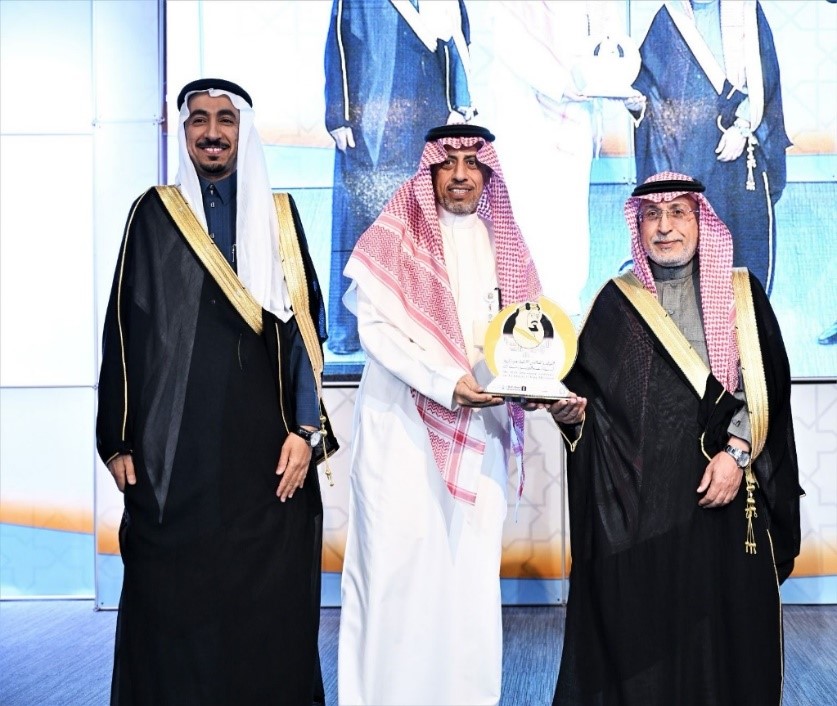
His Excellency the President of Imam Mohammad Ibn Saud Islamic University, Professor Dr. Ahmed bin Salem Al-Ameri, honored a number of male and female employees from the General Directorate of Security and Safety who participated in the Third International Conference on the History of King Abdulaziz – may God have mercy on him – which was organized by the university under the title "Empowerment, Development, and Sustainability in the Era of King Abdulaziz Al Saud – may God have mercy on him" during the closing ceremony held on Tuesday, 4/9/1446 AH, corresponding to March 4, 2025, in Sheikh Abdulaziz Al-Tuwaijri Hall at the Conference Building, in the presence of a number of university leaders.
The Director-General of the Directorate, Mr. Sultan bin Hussein Al-Baqami, praised the efforts of the Security and Safety team in organizing entry and exit, managing traffic, escorting VIPs, ensuring the availability of safety means, in addition to continuous security follow-up until the conclusion of the event. He also explained that the Directorate had prepared work plans in cooperation with the various organizing committees.
Link to the activity
Theatrical Performances and Artistic Programs
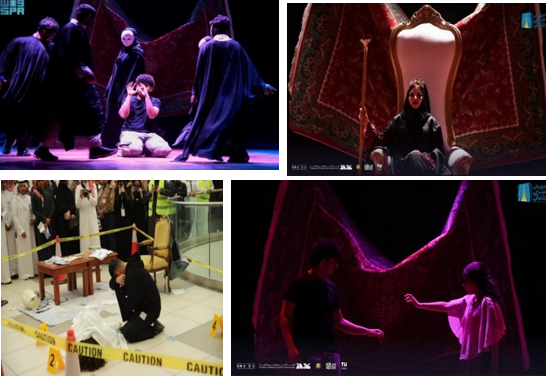
The university supports the arts through theater and artistic programs, which represent a creative platform for students to explore societal values, heritage, and contemporary issues. The university's theatrical performances highlight the interplay between culture, education, and community identity, emphasizing the importance of cultural sustainability. By fostering artistic creativity and aesthetic appreciation, the university enhances the cultural fabric of society, contributing to the achievement of Goal 11.
Visit of Imam University Female Students to Al-Faisal
Museum for Arab and Islamic Art
On the occasion of International Museum Day, the Talented Students Care Unit, affiliated with the Vice Deanship for Student Affairs (Female Section), organized a visit to the Al-Faisal Museum for Arab and Islamic Art on Thursday, May 18, 2023.
This visit aimed to raise awareness about the importance of museums in community development as they represent the living memory of peoples. Al-Faisal Museum contributes to preserving valuable collections of Arab and Islamic arts, rare manuscripts, and personal effects of King Faisal, may God have mercy on him. The museum is considered one of the most important museums displaying rare original manuscripts of "Mus'haf Al-Amsar" alongside archaeological artifacts from various Islamic eras, including more than 200 heritage pieces distributed among household tools, war instruments, bookmaking components, medical instruments, coins, and Quranic manuscripts from the second to the fourteenth Hijri centuries. At the end of the visit, simple gifts were presented to the female students.
Link to the news
NEOM: The Dream of Smart Cities
The College of Computer and Information Sciences held a forum titled "The Story of NEOM: Technology Creates the Future," attended by a number of experts. The forum discussed the role of artificial intelligence, the Internet of Things, and entrepreneurship in building smart cities, and emphasized the project's alignment with the vision of His Royal Highness Crown Prince Mohammed bin Salman, as the largest smart city in the world.
Link to the activity
Scientific Visit to the Industrial Cities Authority
The college organized a scientific visit for its students to the Industrial Cities Authority to learn about its modern projects and service systems such as "Emdad" (electronic transactions system) and the GIS system for maps and industrial services.
Link to the activity
Digital Transformation Towards Sustainability
The university adopted digitalization as a key strategy to enhance sustainability. E-learning systems, digital platforms, and electronic resources have contributed to reducing the need for paper materials, thereby minimizing waste and energy consumption. This digital transformation also ensures wider access to educational opportunities, promoting social inclusion and ensuring equality in access to high-quality education. Furthermore, electronic services and distance learning facilitate flexible work arrangements, reducing the need for daily commuting and promoting sustainable practices.
Conclusion
Through these diverse initiatives, Imam Mohammad Ibn Saud Islamic University emerges as a leading model in supporting the achievement of Sustainable Development Goal 11 at both local and international levels. It combines environmental practices, social programs, and knowledge-based and innovative initiatives, making it a key player in promoting the sustainability of urban communities. By addressing challenges and enhancing institutional impact, the university can serve as an exemplary model among Saudi and regional universities in this field.