Executive Summary
Goal 17 of the Sustainable Development Goals (SDGs) serves as a cornerstone for achieving the remaining goals. It emphasizes the importance of effective partnerships among governments, the private sector, civil society, and academic institutions to ensure inclusive and sustainable development. Without collaboration and integrated efforts, global aspirations to eradicate poverty, protect the environment, and achieve prosperity remain out of reach.
In this context, Imam Mohammad Ibn Saud Islamic University reaffirms its pivotal role in supporting Saudi Arabia's Vision 2030 and the global sustainable development agenda by strengthening local and international partnerships that foster innovation, education, and the advancement of sustainable policies and practices. The university's efforts include signing memoranda of understanding and research collaborations, participating in multi-sectoral conferences and dialogues, and promoting education for sustainable development and community engagement through volunteer and awareness initiatives.
Through these integrated efforts, the university aims to be a leading national model in sustainable partnerships that unite knowledge and collective action, reinforcing its role in building a more inclusive, equitable, and sustainable future.
Introduction
Strengthening Strategic Partnerships for a Sustainable Future
The 17 Sustainable Development Goals represent a global call to action to end poverty, protect the planet, and ensure peace and prosperity for all. At the heart of this ambitious agenda lies Goal 17: Partnerships for the Goals, which underscores that the success of the SDGs depends on inclusive partnerships among governments, the private sector, and civil society. These partnerships are built on shared vision and unified objectives that place people and the planet at the center.
In full alignment with this global direction, Saudi Arabia's Vision 2030 outlines a strategic roadmap for diversifying the national economy, developing human capital, and transitioning away from oil dependency. Achieving these national goals requires the formation of robust, multi-sectoral partnerships.
As a leading educational and research institution, Imam Mohammad Ibn Saud Islamic University recognizes its central role and responsibility in contributing to both the national vision and the global sustainable development agenda.
This report highlights the university's dedicated efforts and tangible contributions toward achieving SDG 17. It serves as a comprehensive documentation of the strategic collaborations and initiatives launched by the university to support the development of sustainable policies and practices. The evidence presented reflects a strong commitment to leveraging academic and research expertise to build meaningful relationships with government entities, regional NGOs, and international partners.
Through a detailed overview of its activities, this report showcases the university's direct engagement in the following areas:
- Policy Development: Collaborating with government agencies and regional NGOs to identify challenges, develop effective policies, monitor interventions, and enable adaptive governance.
- Multi-sectoral Dialogue: Initiating and participating in conferences and dialogues that bring together stakeholders from government, academia, and civil society to discuss the SDGs.
- International Collaboration: Contributing to global efforts in data collection and measurement, and developing international best practices to address the SDGs.
- Community Engagement: Partnering with NGOs through student volunteering, joint research programs, and the development of educational resources for the wider community.
- Education for Sustainable Development: Embedding a commitment to purposeful education on the SDGs across university curricula and awareness activities to ensure accessibility and relevance for all students and the broader society.
By fostering a culture of collaboration, Imam Mohammad Ibn Saud Islamic University aims not only to enhance its global rankings, but more importantly, to create a lasting and positive impact on society and accelerate progress toward a more sustainable and just world.
The International Role of Imam Mohammad Ibn Saud Islamic University in Promoting Quality Education Globally
As a leading educational and research institution, Imam Mohammad Ibn Saud Islamic University strives to actively contribute to shaping national and regional policies related to the Sustainable Development Goals (SDGs). This is achieved through the establishment of strategic partnerships with governmental and non-governmental organizations. The university's contribution includes direct participation or the provision of scientific and advisory input in policy development, identifying developmental challenges, proposing solutions, modeling future scenarios, monitoring and evaluating interventions, and enabling adaptive management.
These partnerships reflect the university's commitment to its societal and national role, leveraging its academic and research expertise to support decision-makers and provide scientific evidence that enhances the quality of public policies. This also fosters integration between education, research, and sustainable development.
Visit of the Minister of Higher Education and Scientific Research of the Syrian Arab Republic to Imam Mohammad Ibn Saud Islamic University
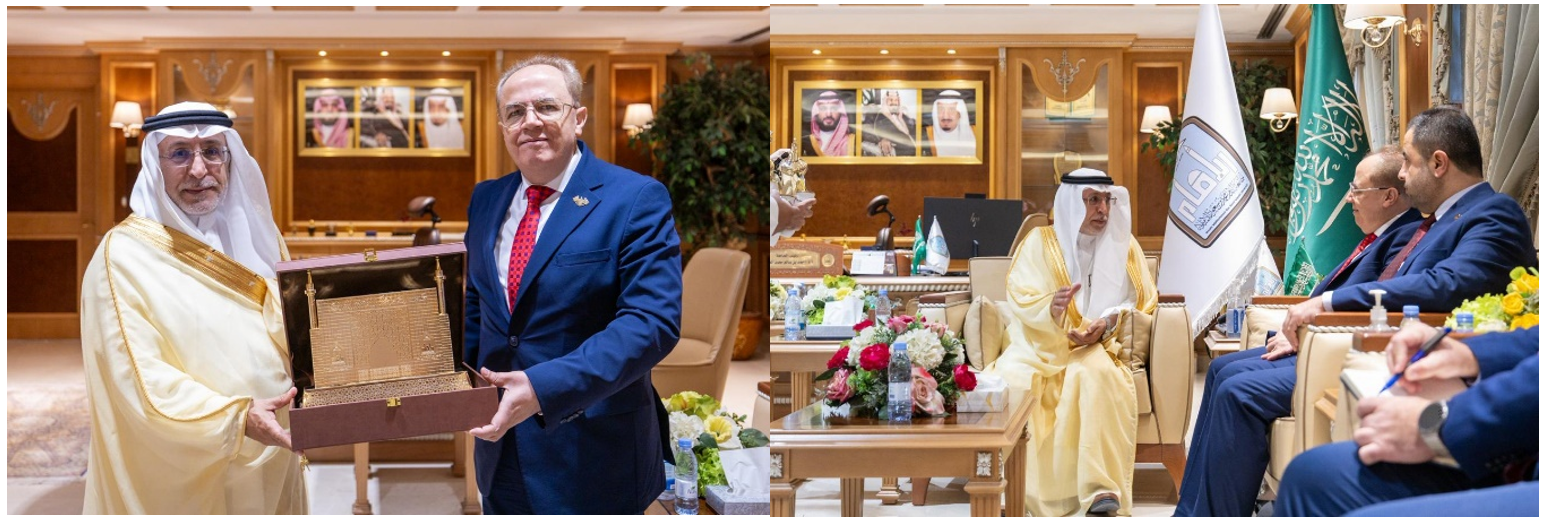
Imam Mohammad Ibn Saud Islamic University welcomed His Excellency Dr. Marwan Jamil Al-Halabi, Minister of Higher Education and Scientific Research of the Syrian Arab Republic, along with his accompanying delegation, in an official visit aimed at exploring avenues for academic and research cooperation and strengthening scientific partnerships between the two countries.
The visit included discussions on potential collaboration in the following areas:
- Exchange of faculty members and students
- Development of curricula and academic programs
- Academic accreditation and quality assurance
- Support for scientific research and digital transformation
- Organization of joint conferences and workshops
Both parties expressed their desire to build strategic partnerships that support sustainable development in both countries and promote integration in higher education and scientific research, in alignment with the goals of Saudi Vision 2030 and the United Nations Sustainable Development Goals.
Strengthening Partnerships Between the Public and Academic Sectors
Direct engagement with the Syrian Ministry of Higher Education in the field of education and research policy contributes to building an effective strategic partnership. This cooperation aims to align national goals with international best practices and develop evidence-based policies, thereby enhancing the capacity of educational institutions to achieve the Sustainable Development Goals.
Activating Inclusive and Multilateral Dialogue
The organization of inclusive dialogue between the higher education sectors of both countries reflects a commitment to fostering multilateral partnerships. This dialogue brings together government entities, academic institutions, and researchers to coordinate efforts, identify shared priorities, and develop innovative solutions to address developmental challenges in the education sector.
Supporting International Cooperation and Knowledge Exchange
The exchange of best academic and research practices and the development of institutional cooperation represent a practical application of mechanisms for technology and knowledge transfer. This activity aims to strengthen research and educational capacities, stimulate innovation, and establish sustainable cooperation networks that contribute to enhancing the quality of higher education and achieving comprehensive development.
https://imamu.edu.sa/news/Pages/news_21_9_2025_01.aspx
Imam Mohammad Ibn Saud Islamic University's Contribution to the Development of Sustainable Industrial Policies
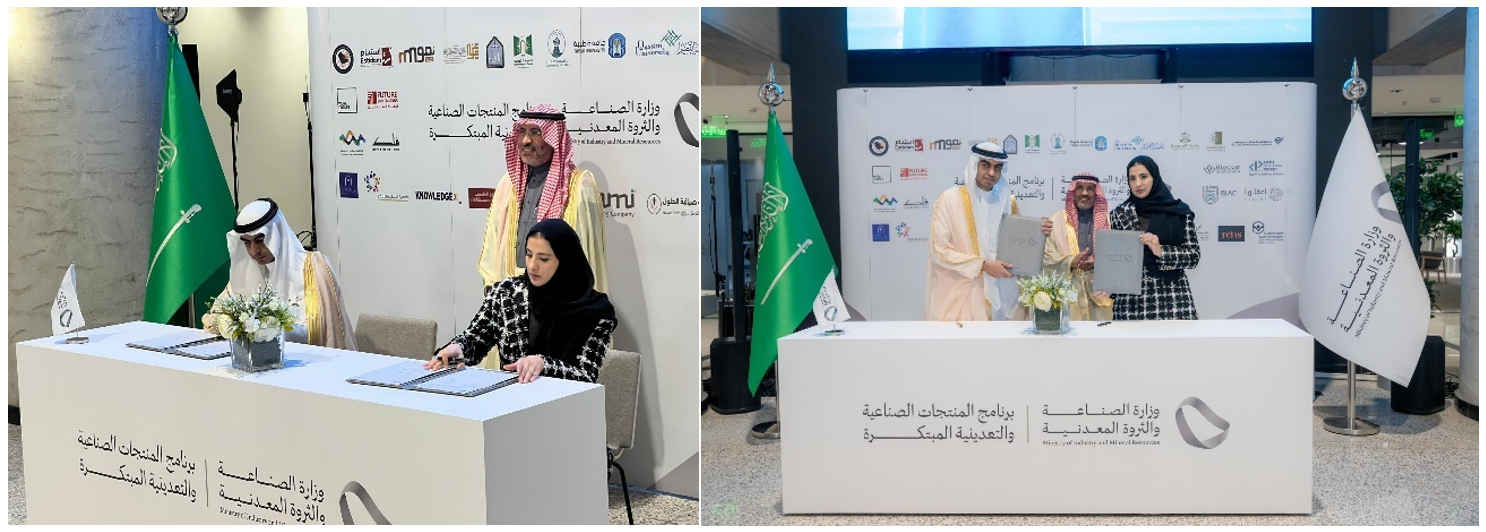
As part of its efforts to strengthen national partnerships in support of the Sustainable Development Goals, Imam Mohammad Ibn Saud Islamic University signed a cooperation agreement with the Ministry of Industry and Mineral Resources on December 29, 2024. The signing ceremony was attended by His Excellency the Minister, and the university was represented by Dr. Sawsan bint Abdulkarim Al-Mu'min, Head of the Innovation and Entrepreneurship Center.
The agreement aims to support and develop innovative industrial and mining products through the launch of an integrated digital platform that offers services from ideation to expansion and export. This initiative reflects the university's role in shaping and implementing sustainable industrial policies.
The platform's services include:
- Providing consultations and training for innovators
- Guidance on intellectual property registration
- Development of prototypes and business models
- Offering networking platforms for investors and funders
- Organizing workshops and training programs to enhance innovators' capabilities
This agreement serves as a clear model of the university's contribution to identifying developmental challenges, developing policies, monitoring interventions, and enabling adaptive management.
https://units.imamu.edu.sa/deanships/gce/news/Pages/30-12-2024.aspx
Imam Mohammad Ibn Saud Islamic University's Contribution to Urban Policy Development and Real Estate Growth
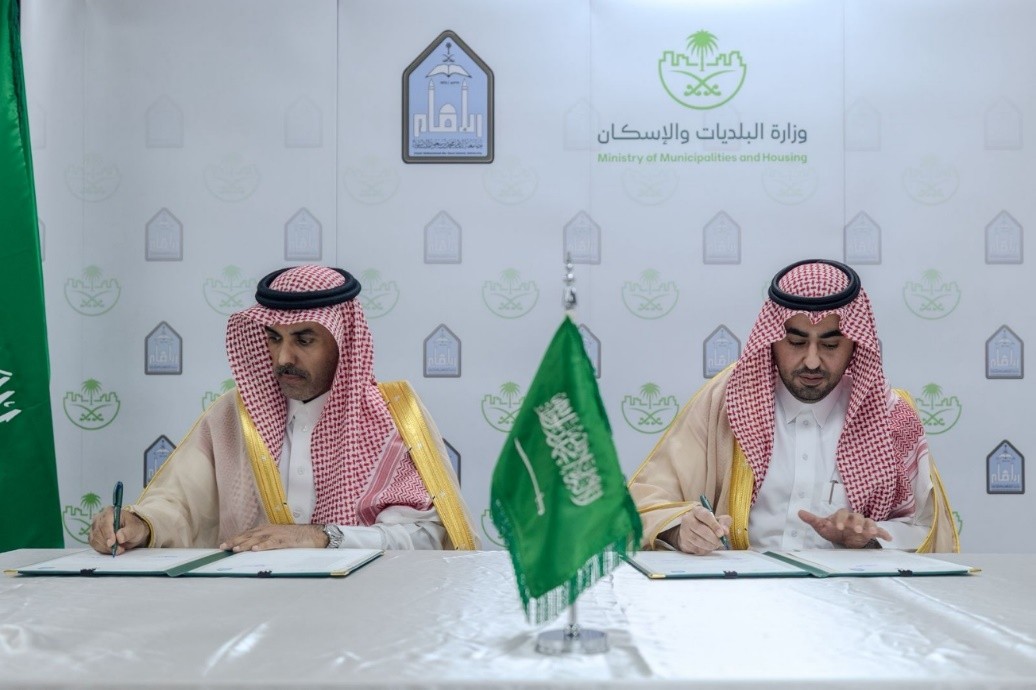
On Thursday, May 29, 2025, Imam Mohammad Ibn Saud Islamic University, represented by the College of Business, signed a Memorandum of Understanding with the Ministry of Municipal and Rural Affairs and Housing. The signing ceremony was attended by Dr. Naif bin Mohammed Al-Otaibi, Vice President for Graduate Studies and Scientific Research, and Eng. Abdulmohsen bin Mohammed Al-Jamaz, Assistant Deputy Minister for Housing Supply Stimulation and Urban Development.
The agreement aims to strengthen cooperation in the following areas:
- Joint research projects in housing and real estate development
- Academic and training events between both parties
- Development of specialized curricula in business administration within master's programs
- Designing educational programs aligned with labor market needs and modern trends
This agreement represents a direct contribution to the formulation of urban and developmental policies.
https://units.imamu.edu.sa/administrations/International_Cooperation/news/Pages/29-May.aspx
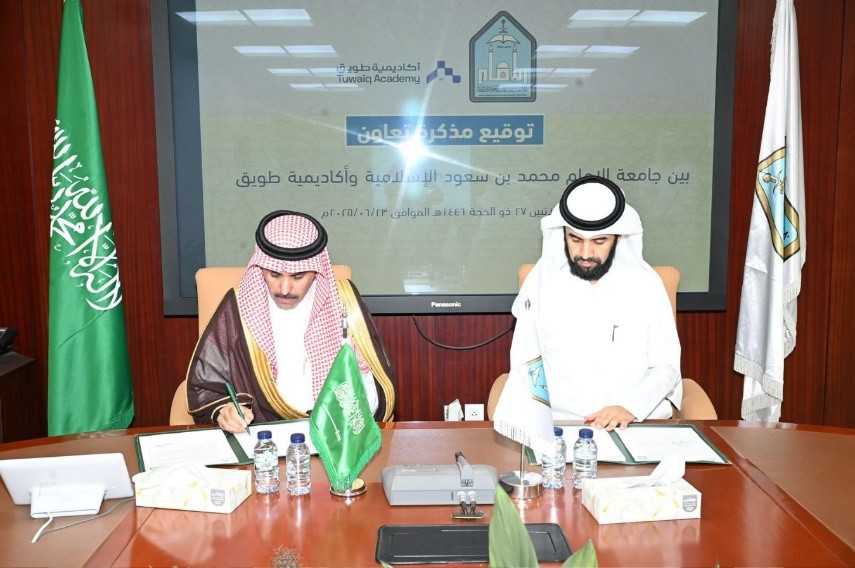
Imam Mohammad Ibn Saud Islamic University's Contribution to the Development of Educational and Research Policies through Collaboration with Tuwaiq Academy
On Monday, June 23, 2025, Imam Mohammad Ibn Saud Islamic University signed a Memorandum of Understanding with Tuwaiq Academy, aimed at enhancing cooperation in research, training, and knowledge exchange.
The university was represented by Dr. Naif bin Mohammed Al-Otaibi, Vice President for Graduate Studies and Scientific Research, while the academy was represented by Mr. Abdulaziz Ahmed Al-Hammadi, Chief Executive Officer.
The agreement seeks to:
- Collaborate on joint research projects
- Organize meetings, conferences, seminars, and workshops
- Exchange scientific, academic, and technical expertise
- Develop the skills of faculty members
- Support academic consulting and quality assurance in educational programs
This agreement represents a direct contribution to the formulation of sustainable educational and research policies. It highlights the university's role in identifying challenges, developing strategies, monitoring interventions, and enabling adaptive management.
https://units.imamu.edu.sa/deanships/SR/news/Pages/NEWS-T.aspx
رابط توقيع اتفاقية لتعزيز التعاون في المجال البحثي والتدريب وتبادل الخبرات
Strategic Collaboration Between the Ministry of Environment and Imam Mohammad Ibn Saud Islamic University to Enhance Joint Cooperation and Sign a Memorandum with the Water Academy
On Monday, June 3, 2024, Imam Mohammad Ibn Saud Islamic University signed a Memorandum of Understanding with the Ministry of Environment, Water and Agriculture at the ministry's headquarters. The agreement aims to strengthen cooperation in research projects.
Key Objectives of the Agreement:
- Enhancing areas of consulting, research, and training
- Exchanging expertise in related activities
- Developing human capacities and advancing digital and technological transformation
- Organizing academic and specialized meetings, conferences, and seminars
- Sharing knowledge resources and innovation programs
- Supporting and activating student volunteer activities in partnership with the ministry
Signing Ceremony:
- On behalf of the ministry: His Excellency Deputy Minister of Environment, Water and Agriculture, Mr. Mansour bin Hilal Al-Mushaiti
- On behalf of the university: His Excellency University President, Dr. Ahmed bin Salem Al-Ameri
- Attendees included:
- Dr. Mohammed bin Naji Al-Yamani, Director General of the General Directorate of Cooperation and International Communication at the university
- Mr. Anwar bin Aneid Al-Muajel, Executive Director of Business Development and Implementation
Strategic Objective:
This memorandum is part of the joint efforts of both parties to build effective partnerships that enhance service quality and facilitate the exchange of expertise to achieve shared strategic goals.
https://www.mewa.gov.sa/ar/MediaCenter/News/Pages/News9552020.aspx
https://www.alriyadh.com/2078519
https://units.imamu.edu.sa/administrations/International_Cooperation/news/Pages/26-jun.aspx
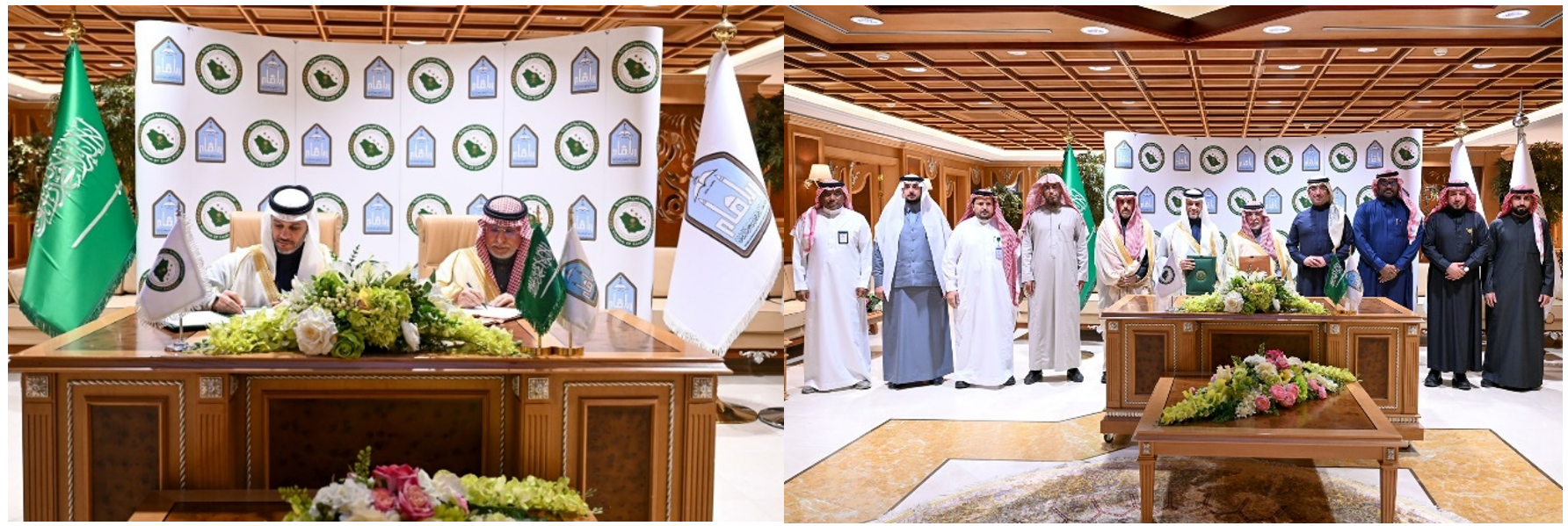
Memorandum of Understanding Between Imam Mohammad Ibn Saud Islamic University and the Permanent Committee for International Humanitarian Law
As part of its commitment to strengthening national cooperation in the development of policies aligned with the Sustainable Development Goals, Imam Mohammad Ibn Saud Islamic University—represented by the Higher Institute of Judiciary—signed a Memorandum of Understanding with the Permanent Committee for International Humanitarian Law. The signing took place at the university's headquarters on January 12, 2025.
The agreement aims to support the Kingdom's efforts in promoting the culture of international humanitarian law, facilitating the exchange of expertise and knowledge, and fostering collaboration in research, academic, and advisory fields, as well as in the development of relevant skills.
This collaboration represents a direct contribution to the advancement of national policies related to human rights and reflects the university's commitment to supporting the Sustainable Development Goals through effective partnerships with government entities.
https://spa.gov.sa/N2241646
https://imamu.edu.sa/news/Pages/news_12_1_2025_01.aspx
The Role of University Sectors in Inclusive Dialogue on the Sustainable Development Goals with Various Stakeholders, Communities, Governments, and NGOs
Imam Mohammad Ibn Saud Islamic University believes in the importance of cross-sectoral dialogue as an effective means to enhance cooperation and integration in achieving the Sustainable Development Goals (SDGs). In this context, the university takes the initiative to organize and participate in scientific and community events that bring together diverse stakeholders, including government institutions, non-governmental organizations, the private sector, and academic entities. These events aim to discuss developmental challenges and explore shared solutions.
Such initiatives include conferences, seminars, and workshops focused on the SDGs, contributing to the exchange of expertise, coordination of efforts, policy development, and the promotion of community awareness. These dialogues enable the university to fulfill its role as a catalyst for change, a source of knowledge, and a strategic partner in shaping a more sustainable future.
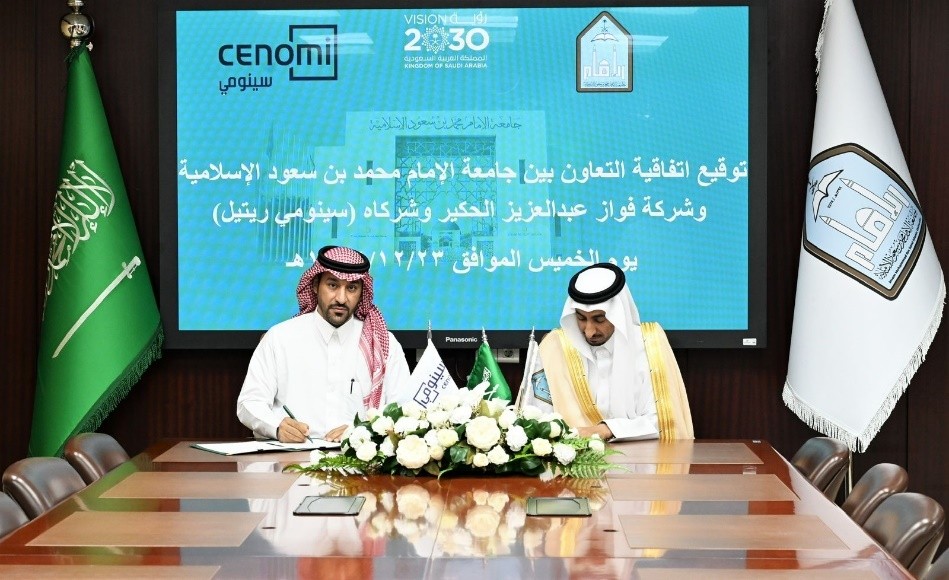
Imam Mohammad Ibn Saud Islamic University's Contribution to Inclusive Dialogue with the Private Sector to Achieve the Sustainable Development Goals
On Thursday, June 19, 2025, Imam Mohammad Ibn Saud Islamic University signed a cooperation agreement with Fawaz Abdulaziz Alhokair & Co. (Cenomi Retail), aimed at enhancing collaboration in training, employment, and cultural programs.
The university was represented by Dr. Abdullah bin Abdulrahman Al-Asmary, Vice President for Educational Affairs, while the company was represented by Mr. Ahmed bin Naja Al-Dhiabi, Chief Human Resources Officer.
The agreement includes:
- Cooperative training programs for male and female students
- Student participation in joint initiatives and programs
- Exchange of expertise, studies, and consultations between both parties
- Organization of cultural programs and competitions serving mutual goals
- Collaboration in the employment of graduates
This agreement serves as a model for inclusive dialogue between the academic and private sectors, contributing to the achievement of the Sustainable Development Goals through integration in training, employment, and cultural engagement.
https://units.imamu.edu.sa/administrations/International_Cooperation/news/Pages/22jun.aspx
Imam Mohammad Ibn Saud Islamic University's Contribution to Achieving the Sustainable Development Goals
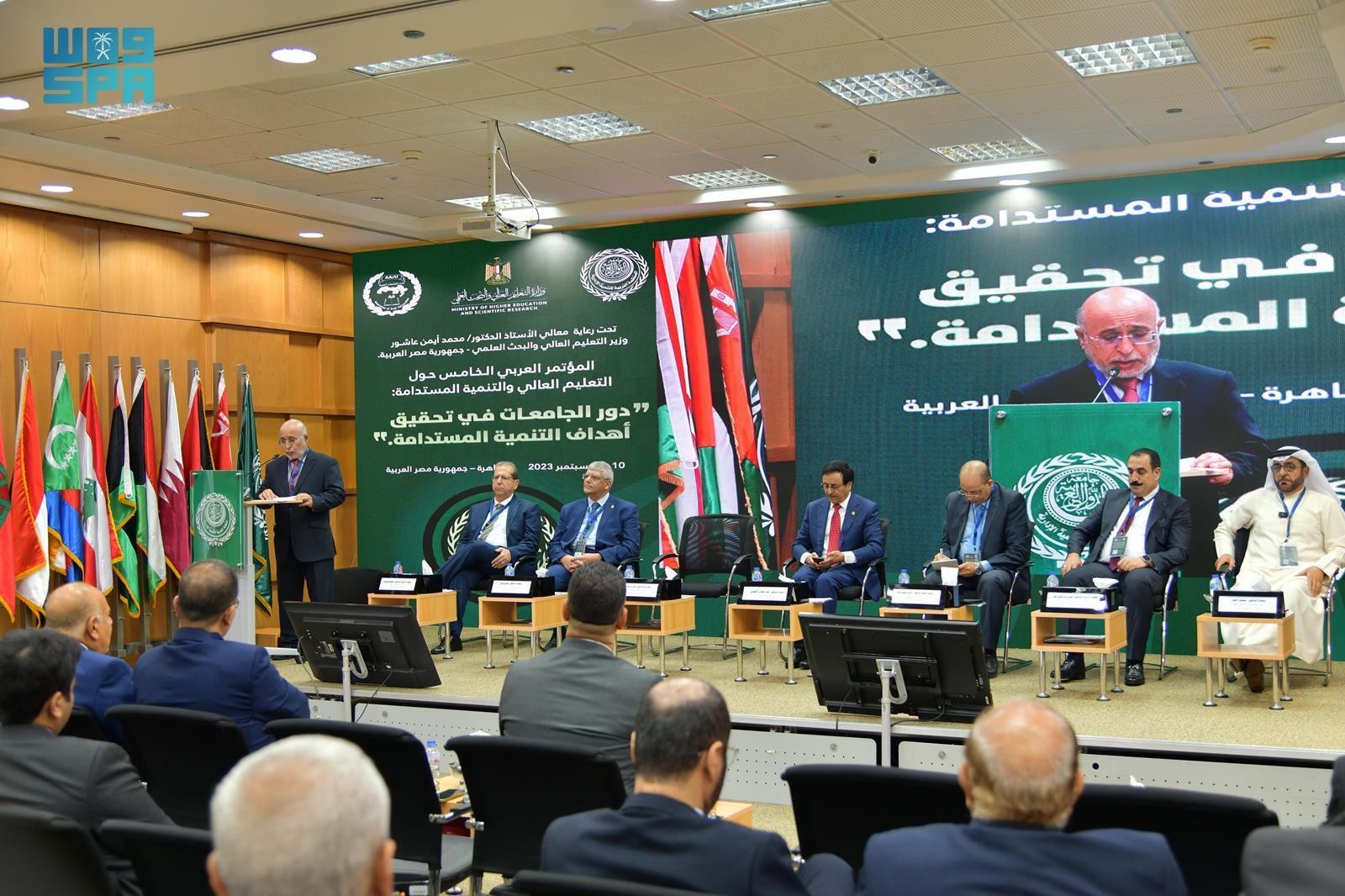
Imam Mohammad Ibn Saud Islamic University, represented by its President, His Excellency Dr. Ahmed bin Salem Al-Ameri, participated in the Fifth Arab Conference on Higher Education and Sustainable Development, held in Cairo from September 10–11, 2023. The university presented a working paper addressing the role of universities in achieving the Sustainable Development Goals (SDGs).
His Excellency emphasized that sustainable development is a central issue with cultural, social, and economic dimensions, requiring integrated academic efforts and the strengthening of scientific and research partnerships. He highlighted the university's commitment to aligning its mission and strategic objectives with the goals of Saudi Vision 2030. The university's Strategic Plan 2021–2025 is built around key pillars including education, research and innovation, entrepreneurship, partnerships and social responsibility, and institutional excellence.
The university has implemented numerous initiatives and projects related to sustainable development, such as:
- Developing academic programs
- Integrating sustainability concepts into curricula
- Supporting scientific research and innovation
- Establishing local and international partnerships
- Serving communities beyond the Kingdom through its educational institutes in Africa and Asia
Additionally, the university launched the “Imam Cloud" program to support university-based startups, and has actively organized and sponsored conferences focused on education and sustainable development. It has also adopted operational policies aligned with sustainability goals, including energy-saving projects and the Green University Initiative.
These efforts have led to outstanding results in the Times Higher Education Impact Rankings, where the university achieved all 17 SDGs and ranked among the top 200 universities globally in seven of them.
The university reaffirms its commitment to quality education, research, and innovation, and to strengthening its position as a center of academic excellence. This commitment stems from its noble mission to serve Islam, the nation, and humanity, and is grounded in its scholarly and cultural heritage, as well as its principles of national responsibility.
https://www.spa.gov.sa/b3bc66eb6bj
https://www.spa.gov.sa/3dbd51a959e
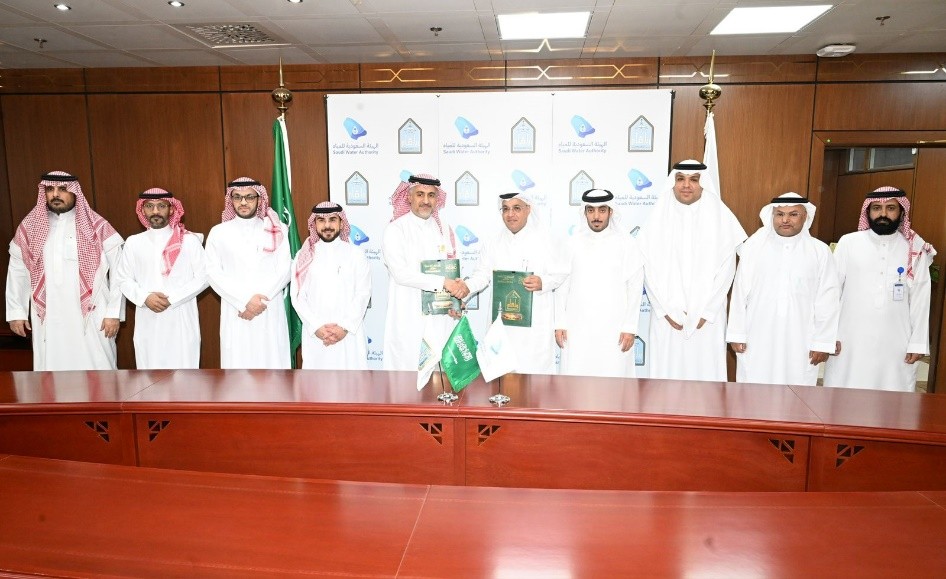
Memorandum of Understanding Between the Saudi Water Authority and Imam Mohammad Ibn Saud Islamic University to Enhance Cooperation in Scientific Research, Academic Training, and Capacity Development
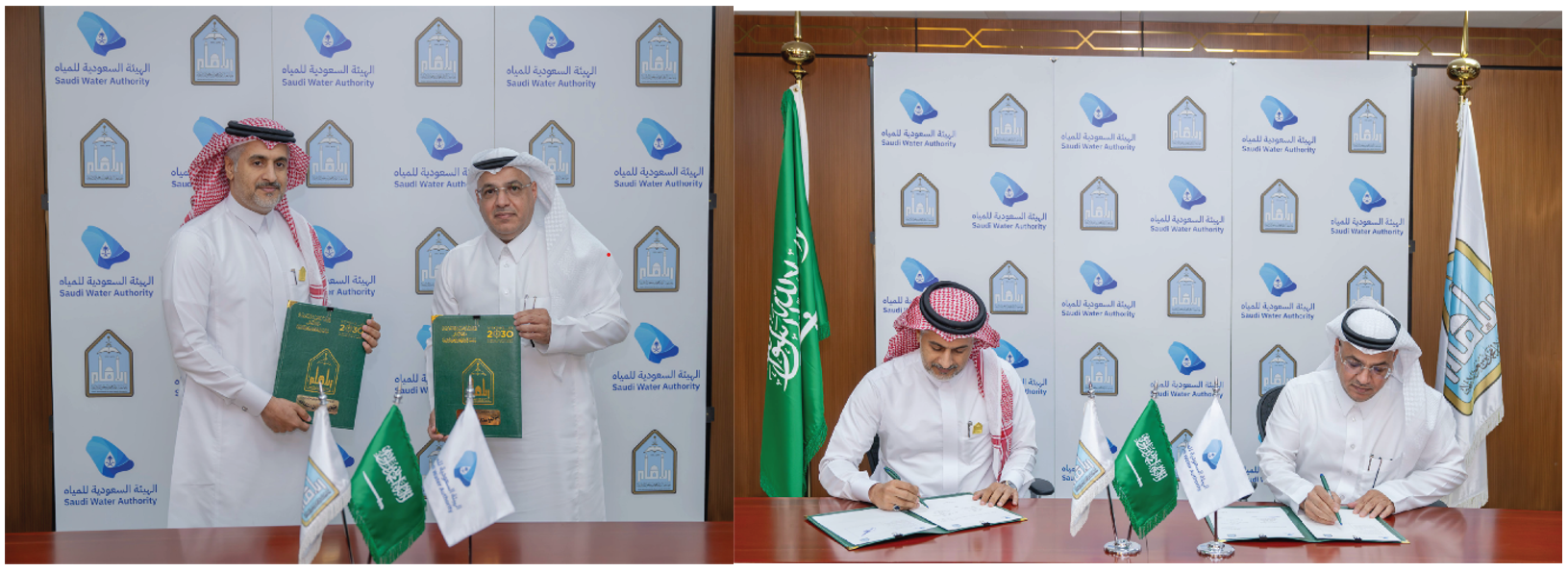
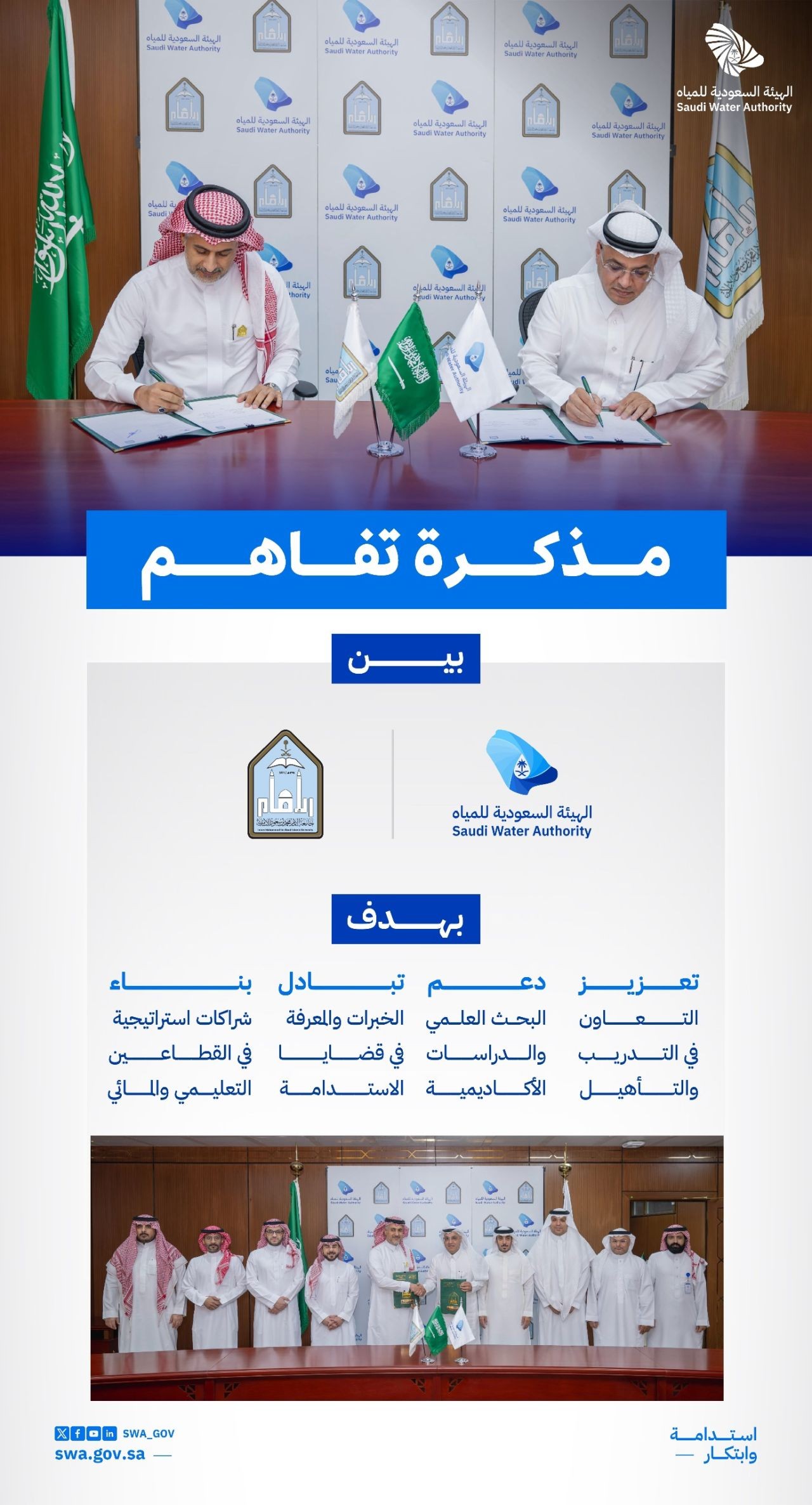
The Saudi Water Authority, represented by the Water Academy, signed a Memorandum of Understanding with Imam Mohammad Ibn Saud Islamic University, represented by the College of Business, to strengthen collaboration in scientific research, training, and capacity building within the water sector.
The agreement includes the implementation of specialized training programs, exchange of expertise and knowledge, organization of conferences, seminars, and workshops related to water, and the development of educational initiatives that contribute to building national competencies and meeting labor market needs in the water field.
This agreement reflects the commitment of both the Authority and the University to supporting sustainability goals by preparing qualified professionals capable of addressing challenges in the water sector and fostering innovation in resource management. It contributes directly to the achievement of several Sustainable Development Goals, particularly:
- Quality Education (SDG 4)
- Clean Water and Sanitation (SDG 6)
- Decent Work and Economic Growth (SDG 8)
- Industry, Innovation, and Infrastructure (SDG 9)
https://www.swa.gov.sa/ar/news/90
الهيئة السعودية للمياه توقّع مذكرة تفاهم مع جامعة الامام محمد بن سعود الاسلامية
Strategic Collaboration Between the Ministry of Environment, Water and Agriculture and Imam Mohammad Ibn Saud Islamic University to Enhance Joint Cooperation
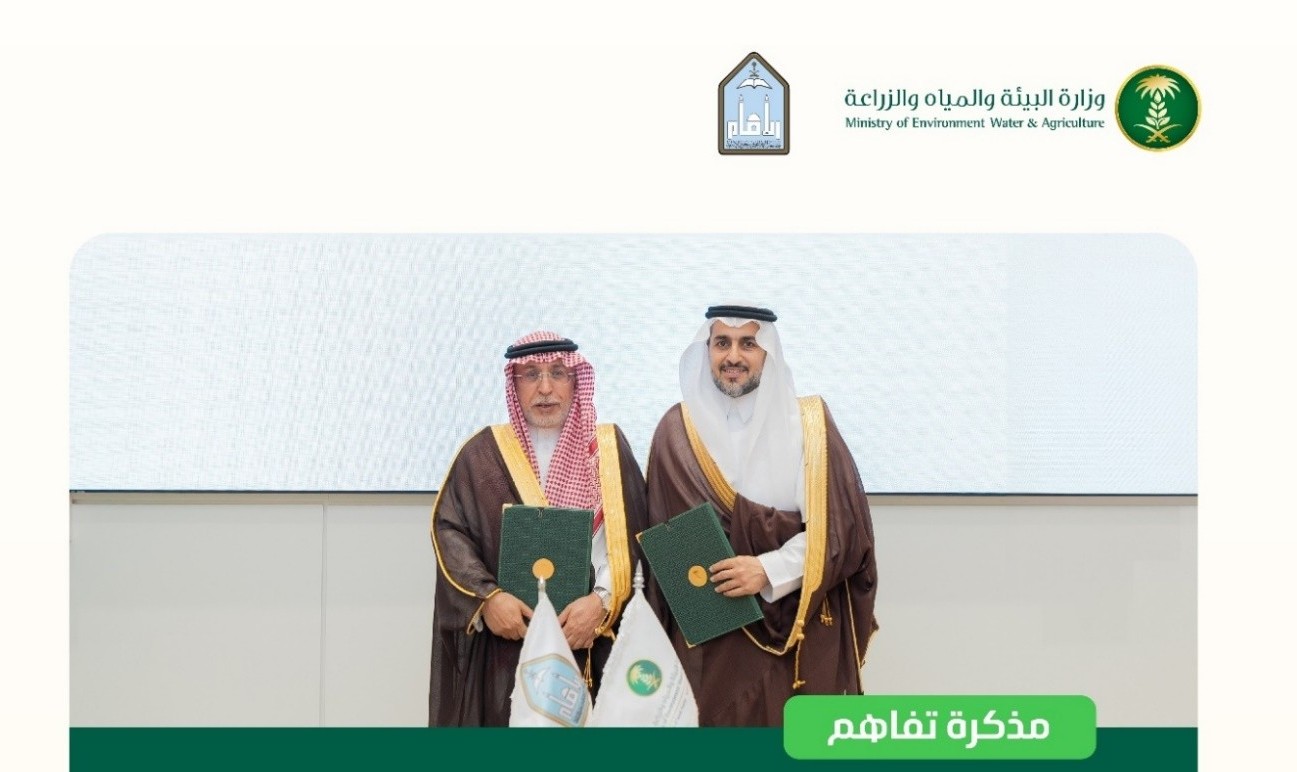
The Ministry of Environment, Water and Agriculture signed a Memorandum of Understanding with Imam Mohammad Ibn Saud Islamic University to strengthen cooperation in environmental academic, research, and training fields, in alignment with the National Environmental Strategy and Saudi Vision 2030.
The memorandum was signed by His Excellency Eng. Mansour bin Hilal Al-Mushaiti, Deputy Minister of Environment, Water and Agriculture, and His Excellency Dr. Ahmed bin Salem Al-Ameri, President of the University.
This agreement stems from the shared interests of both parties and aims to develop joint cooperation to achieve national objectives, build a strategic partnership, and invest in both material and human resources. It also seeks to foster productive collaboration within the framework of the Kingdom's regulations and policies.
According to the memorandum, both parties agreed to enhance cooperation in several areas, including:
- Providing support services to activate and implement strategic initiatives of the Ministry's ecosystem
- Conducting scientific and specialized studies and research in all areas relevant to the Ministry
- Supplying qualified personnel and expertise to help achieve the Ministry's goals
- Designing and delivering training programs and developing human resources
- Supporting and participating in technology transfer programs across relevant fields
Furthermore, as outlined in the memorandum, the Ministry and the University will establish a joint working team to coordinate efforts in implementing volunteer and community programs related to environmental activities.
https://www.mewa.gov.sa/ar/MediaCenter/News/Pages/News9552020.aspx
https://x.com/MEWA_KSA/status/1797669761230438495
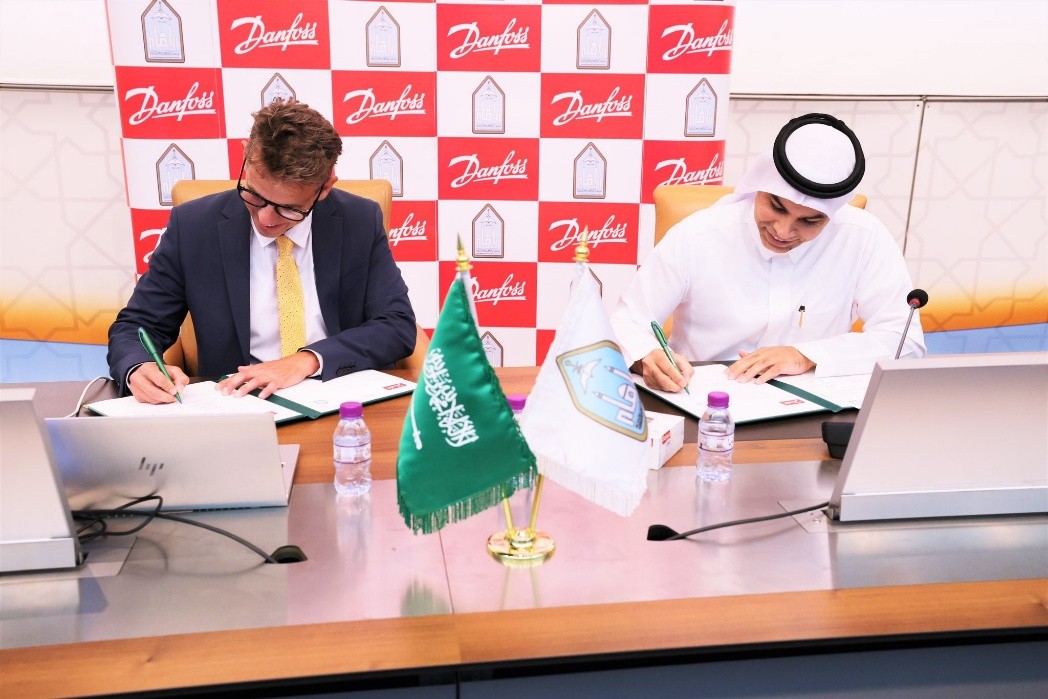
Imam Mohammad Ibn Saud Islamic University and Danfoss Saudi Arabia Sign Memorandum of Understanding to Support Sustainable Development and Technological Innovation
Imam Mohammad Ibn Saud Islamic University, represented by the College of Engineering, signed a Memorandum of Understanding with Danfoss Saudi Arabia to enhance cooperation in scientific research, education, and talent development, in alignment with the goals of Saudi Vision 2030.
The agreement focuses on:
- Implementing joint research projects
- Organizing academic and technical conferences, seminars, and workshops
- Exchanging digital and knowledge resources, as well as scientific and technical expertise
- Developing programs to improve institutional performance and enhance faculty skills
Following the signing, Danfoss organized a scientific seminar for engineering students titled “Factors Affecting Control Stability in Heat Exchangers", delivered by a global expert from the company. This reflects the commitment of both parties to promoting applied knowledge and linking education with industry.
The university affirmed that this partnership contributes to building a sustainable knowledge economy, developing national competencies, and fostering innovation in engineering fields. It supports the achievement of several Sustainable Development Goals, particularly:
- Quality Education (SDG 4)
- Industry, Innovation, and Infrastructure (SDG 9)
- Decent Work and Economic Growth (SDG 8)
- Affordable and Clean Energy (SDG 7)
Representatives from Danfoss also emphasized the company's commitment to empowering Saudi youth through new employee development programs, hiring national talent, and ongoing collaboration with leading Saudi universities. These efforts align with national aspirations for a vibrant and ambitious society and support sustainability initiatives such as the Saudi Green Initiative.
This agreement exemplifies an effective model of integration between the academic and industrial sectors in supporting the Sustainable Development Goals through innovation, knowledge exchange, and national capacity building.
https://x.com/IMSIU_edu_sa/status/1835277049830707413
https://imamu.edu.sa/news/Pages/news_15_9_2024_01.aspx
https://www.zawya.com/en/press-release/companies-news/danfoss-signs-mou-with-imam-mohamed-bin-saud-islamic-university-ghvutjaa
International Cooperation in Collecting Sustainable Development Goals Data
Imam Mohammad Ibn Saud Islamic University places great importance on international cooperation as a fundamental pillar for achieving the Sustainable Development Goals (SDGs), particularly in the areas of quality education, global partnerships, and scientific research. Through its partnerships with leading academic institutions worldwide, the university seeks to exchange expertise, develop educational programs, and promote innovation.
Recent efforts in this domain have included the signing of several Memoranda of Understanding with prestigious international entities and hosting academic delegations from global universities. These initiatives support the objectives of Saudi Vision 2030 and contribute to building a sustainable knowledge economy. International cooperation is a vital pathway that enhances the university's global standing and contributes to the development of its institutional and educational capacities.
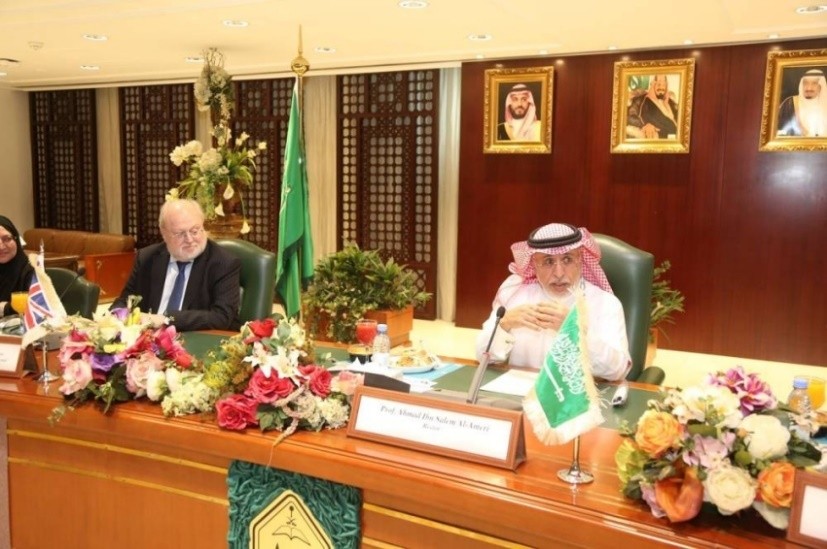
Visit of the UK Prime Minister's Special Representative for Education and British University Leaders to Imam Mohammad Ibn Saud Islamic University
His Excellency Prof. Ahmed bin Salem Al-Ameri, President of Imam Mohammad Ibn Saud Islamic University, welcomed Sir Steve Smith, the UK Prime Minister's Special Representative to the Kingdom of Saudi Arabia for Education, along with a delegation of vice-chancellors and presidents from British universities. The meeting was attended by several university officials.
During the visit, the university presented an overview of its strategic plan and objectives aimed at serving society and the labor market. Both sides discussed ways to strengthen cooperation between Imam University and British universities in areas such as:
- Academic and student exchange
- Faculty exchange
- Joint research projects
- Development of educational programs and collaborative initiatives
- Cooperation in educational and training opportunities
- Supervision of master's and doctoral theses
- Scholarships and more
Sir Steve Smith praised the growing partnership between British and Saudi universities, noting that the two sides have collaborated for many years in research, science, and student exchange. He emphasized that Saudi Arabia is a priority country in the UK's strategy for international academic and scientific cooperation.
https://www.spa.gov.sa/2397079
رابط تغطية خبر لقاء وفد بريطاني لبحث سبل تعزيز التعاون مع "الجامعة
رابط زيارة الممثل الخاص لرئيس الوزراء البريطاني لدى المملكة الى جامعة الإمام
President of Imam Mohammad Ibn Saud Islamic University Welcomes Delegation from 18 British Universities
His Excellency Prof. Ahmed bin Salem Al-Ameri, President of Imam Mohammad Ibn Saud Islamic University, welcomed a delegation from British universities, in the presence of university vice presidents, deans, and department directors. The visiting delegation included representatives from 18 British universities.
During the visit, both sides discussed ways to strengthen joint cooperation between Saudi and British universities. The discussions focused on enhancing academic visits, professional training, and the exchange of scientific and research expertise between the two countries. This includes collaboration through research laboratories and dual-degree programs.
https://www.spa.gov.sa/N2008653
رئيس جامعة الإمام محمد بن سعود الإسلامية يستقبل وفدًا من 18 جامعة بريطانية.
https://albayannews.net/280268/
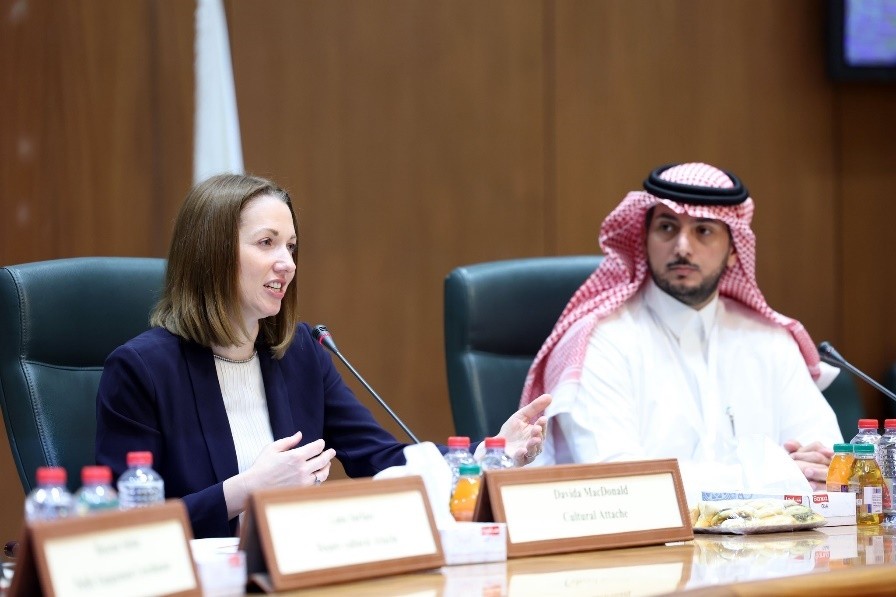
Visit of the U.S. Cultural Attaché to Imam Mohammad Ibn Saud Islamic University to Strengthen Academic and International Cooperation
Imam Mohammad Ibn Saud Islamic University welcomed Ms. Davydia McDonald, the Cultural Attaché at the U.S. Embassy in Riyadh, along with several members of the attaché office. The visit aimed to review programs offered by the embassy to university affiliates and explore avenues for academic cooperation between the university and American institutions.
During the meeting, discussions covered scholarship programs, international student exchange, visiting professors from both sides, and support for scientific research. These efforts contribute to enhancing cultural and knowledge exchange, and to developing the academic and research capacities of students and faculty members.
The delegation was received by Dr. Mohammed bin Naji Al-Yamani, Director General of the General Directorate of Cooperation and International Communication, along with representatives from various scientific and humanities colleges. They emphasized the importance of this visit in supporting the university's strategic direction toward international engagement and in advancing the Sustainable Development Goals—particularly in the areas of:
- Quality Education (SDG 4)
- Global Partnerships (SDG 17)
- Research Excellence and Innovation
https://x.com/IMSIU_edu_sa/status/1765715071882186802
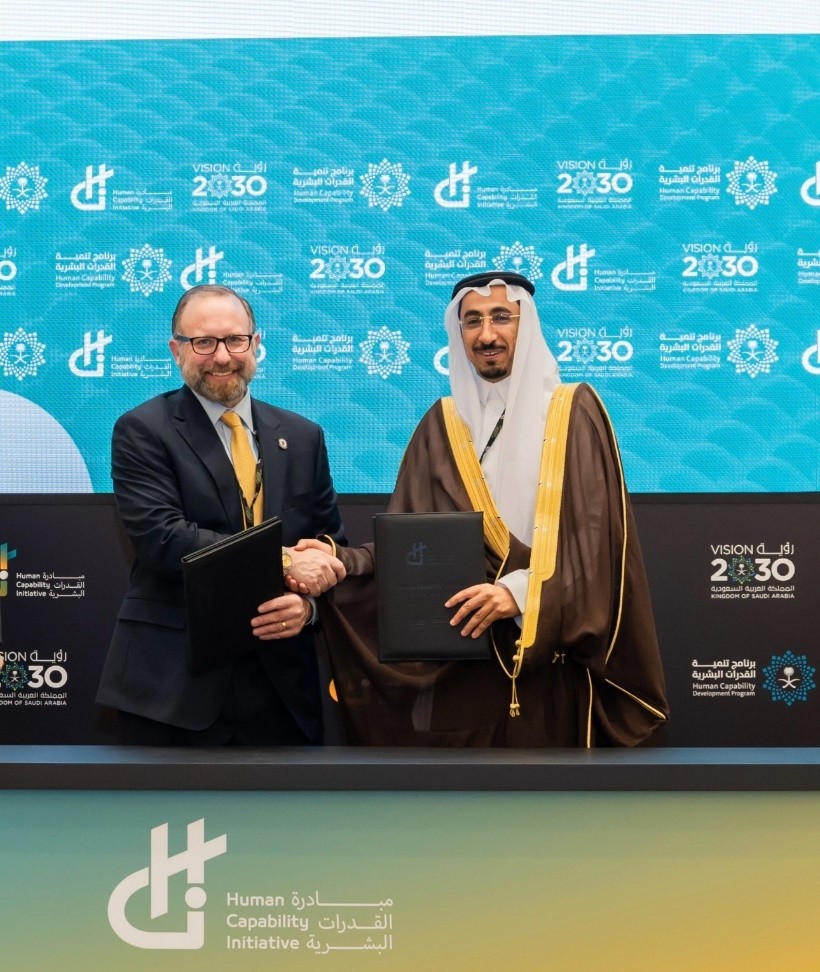
Imam Mohammad Ibn Saud Islamic University Signs International Memorandum of Understanding to Enhance Academic Cooperation with UMass Dartmouth
As part of its participation in the Human Capability Conference, Imam Mohammad Ibn Saud Islamic University—represented by Dr. Abdullah bin Abdulrahman Al-Asmary, Vice President for Educational Affairs—signed a Memorandum of Understanding with the University of Massachusetts Dartmouth (UMassD), represented by Dr. Jim Anderson, Vice Provost for Academic Affairs.
This collaboration aims to strengthen academic partnerships and develop student programs that support scientific and cultural exchange between the two universities. It also seeks to enhance the quality of educational outcomes in alignment with the goals of Saudi Vision 2030.
https://www.makkahnews.sa/5454291.html
Memorandum of Understanding Between Imam Mohammad Ibn Saud Islamic University and KAMS Global to Enhance Academic and Technical Cooperation
Imam Mohammad Ibn Saud Islamic University, represented by the Applied College, signed a Memorandum of Understanding with KAMS Global, a company specializing in aviation and airport services. The agreement aims to strengthen cooperation in academic, training, and development fields.
The agreement includes:
- Training and qualifying college students and staff in aviation and airport services
- Offering specialized diploma programs that meet the needs of the Saudi labor market
- Exchanging educational resources and e-learning platforms
- Providing expert trainers in aviation and airport-related programs
- Organizing meetings, conferences, seminars, and workshops
- Facilitating faculty exchange to enhance professional development
- Supporting cooperative training for students in airlines and ground services companies
This agreement represents a model of collaboration with a non-governmental organization in the field of vocational and technical education. It contributes to the achievement of the Sustainable Development Goals through training programs, academic development, and institutional integration—particularly in:
- Quality Education (SDG 4)
- Decent Work and Economic Growth (SDG 8)
- Industry, Innovation, and Infrastructure (SDG 9)
Imam Mohammad Ibn Saud Islamic University's Contribution to Advancing Best Research Practices Through International Collaboration
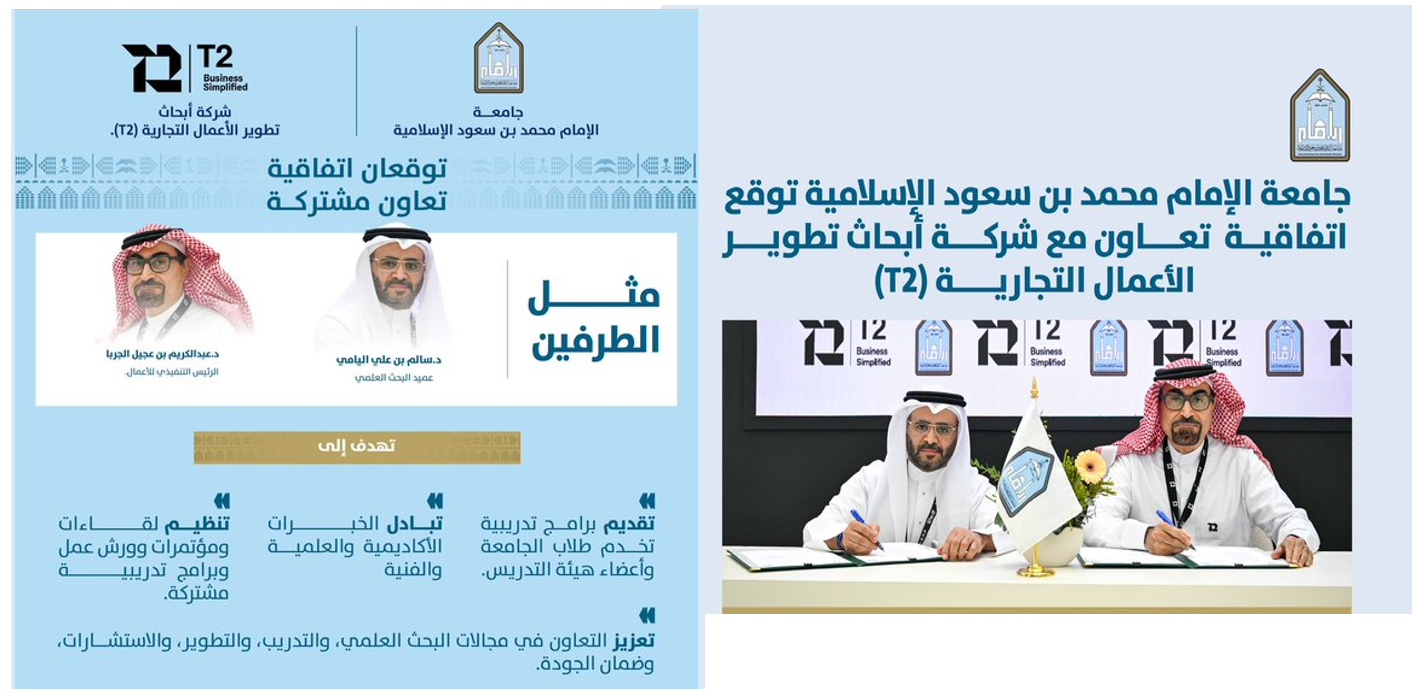
On Wednesday, February 12, 2025, Imam Mohammad Ibn Saud Islamic University, represented by the Deanship of Scientific Research, signed a Memorandum of Understanding with T2 Business Research and Development Company during the LEAP 2025 Summit.
The university was represented by Dr. Salem bin Ali Al-Yami, Dean of Scientific Research, while the company was represented by Dr. Abdulkarim bin Ajeel Al-Jarba, Chief Executive Officer of the Business Sector.
The agreement aims to:
- Strengthen research collaboration through joint project support
- Organize scientific events such as conferences and workshops
- Develop training programs tailored to labor market needs
- Exchange scientific and research expertise
- Support the development of national competencies through specialized training programs
This agreement serves as a model for developing international best practices in research collaboration and contributes to the achievement of the Sustainable Development Goals through integration between the academic and private sectors—particularly in:
- Quality Education (SDG 4)
- Decent Work and Economic Growth (SDG 8)
- Industry, Innovation, and Infrastructure (SDG 9)
- Partnerships for the Goals (SDG 17)
https://units.imamu.edu.sa/deanships/SR/news/Pages/NEWS13-2-2025.aspx
Imam Mohammad Ibn Saud Islamic University's Contribution to Advancing Best Practices in Entrepreneurship and Innovation
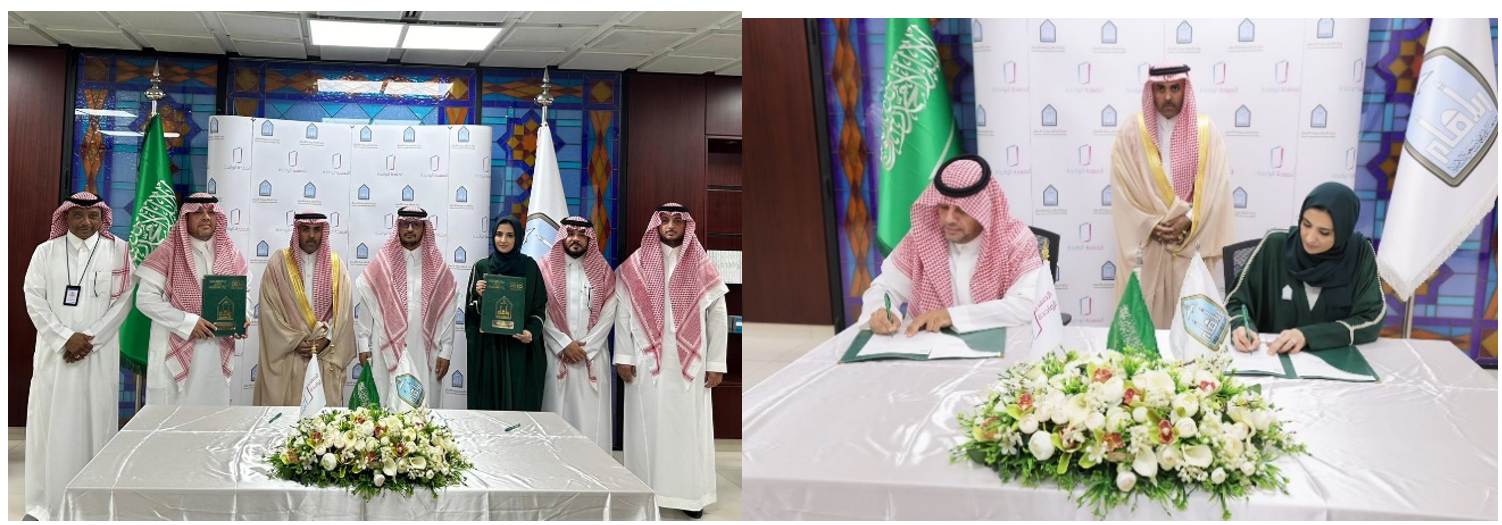
On Sunday, September 8, 2024, Imam Mohammad Ibn Saud Islamic University, represented by the Center for Innovation and Entrepreneurship, signed a cooperation agreement with One Page Information Technology Company, in the presence of Dr. Naif bin Mohammed Al-Otaibi, Vice President for Graduate Studies and Scientific Research.
The agreement aims to:
- Strengthen collaboration between the university's business incubator “Imam Cloud" and the company
- Provide consulting solutions and logistical support for entrepreneurs and incubated startups
- Implement initiatives and forums focused on entrepreneurship
- Deliver training programs and activities within the incubator's premises
This agreement represents a model for developing international best practices in supporting innovation and entrepreneurship. It contributes to the achievement of the Sustainable Development Goals by empowering innovators, providing a supportive environment, and integrating efforts between the academic and technology sectors—particularly in:
- Quality Education (SDG 4)
- Decent Work and Economic Growth (SDG 8)
- Industry, Innovation, and Infrastructure (SDG 9)
- Partnerships for the Goals (SDG 17)
https://units.imamu.edu.sa/deanships/gce/news/Pages/8-9-2024.aspx
Imam Mohammad Ibn Saud Islamic University's Contribution to Advancing Best Technological Practices to Support the Sustainable Development Goals
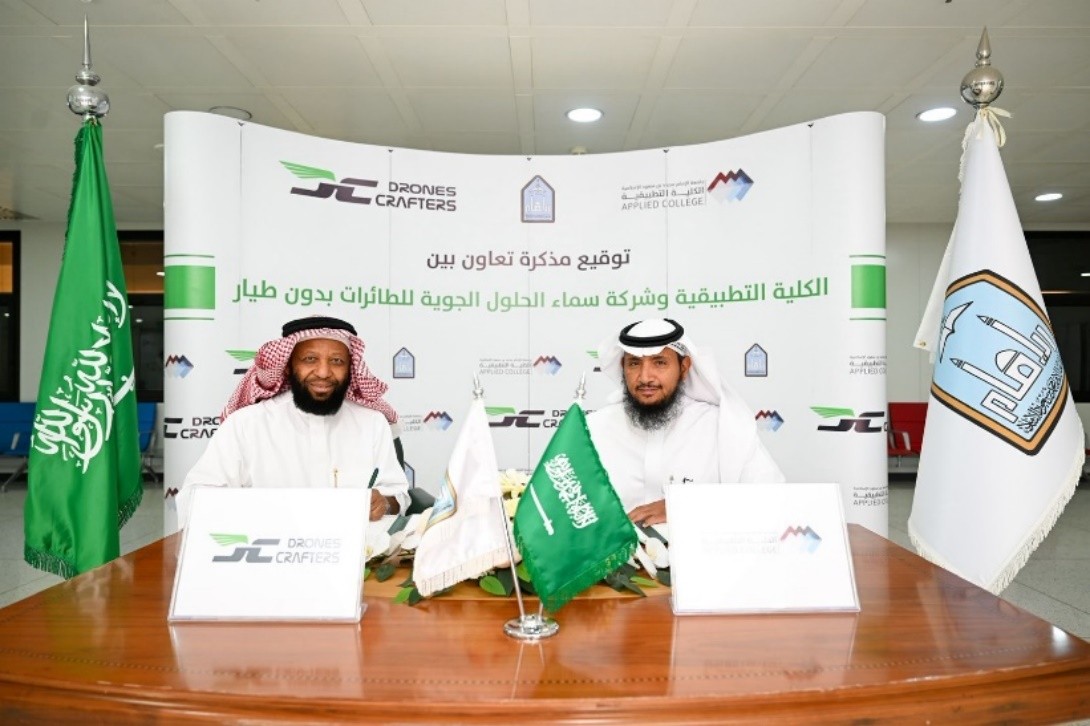
On Wednesday, October 2, 2024, Imam Mohammad Ibn Saud Islamic University, represented by the Applied College, signed a Memorandum of Understanding with Sama Aerial Solutions Company for Drone Technologies. The agreement aims to strengthen cooperation in technical and research fields.
The agreement includes:
- Developing applied training programs in drone technologies
- Exchanging technical expertise between the university and the company
- Supporting joint research projects in innovation and emerging technologies
- Empowering male and female students with practical skills in aviation and aerial imaging
This agreement represents a model for developing international best practices in technical and research collaboration. It contributes to the achievement of the Sustainable Development Goals by empowering national talent, promoting innovation, and integrating efforts between the academic and technology sectors—particularly in:
- Quality Education (SDG 4)
- Decent Work and Economic Growth (SDG 8)
- Industry, Innovation, and Infrastructure (SDG 9)
- Partnerships for the Goals (SDG 17)
https://units.imamu.edu.sa/deanships/dcscs/news/Pages/new-3-10.aspx
https://units.imamu.edu.sa/administrations/International_Cooperation/news/Pages/7-May.aspx
Imam Mohammad Ibn Saud Islamic University's Contribution to Advancing Best Industrial and Research Practices
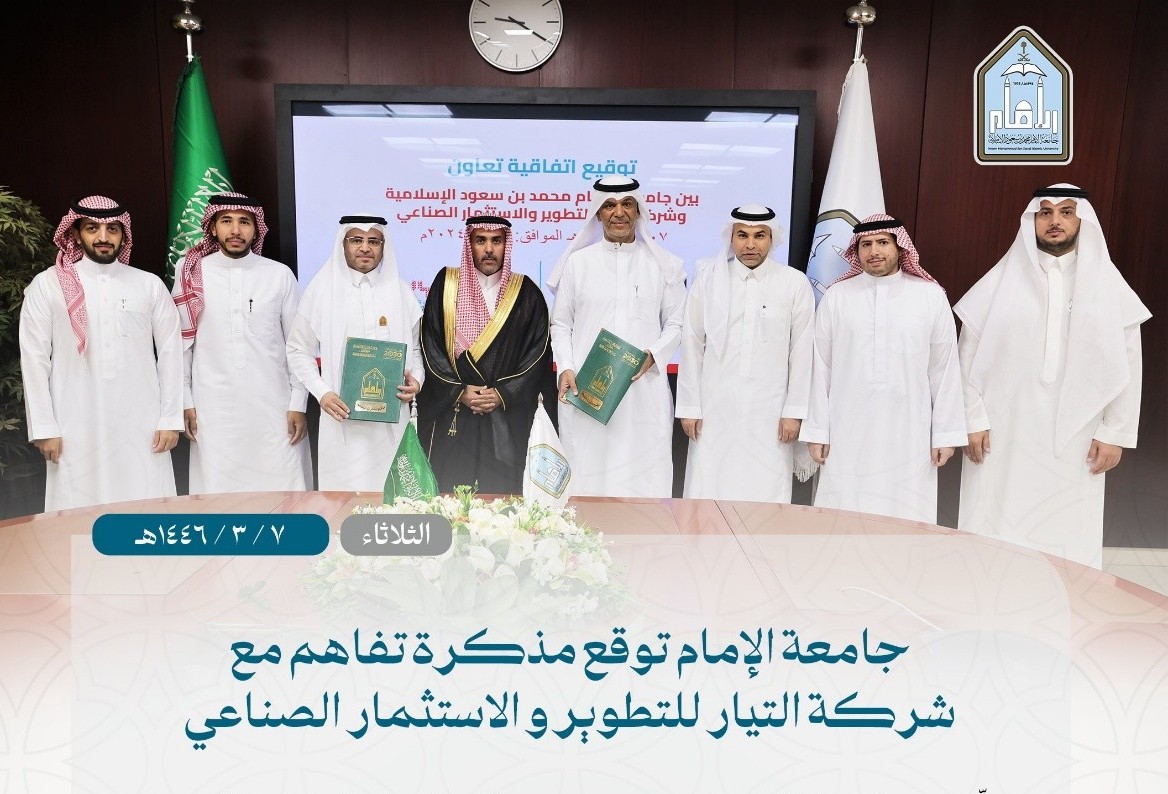
On Tuesday, September 10, 2024, Imam Mohammad Ibn Saud Islamic University signed a Memorandum of Understanding with Al-Tayyar Company for Industrial Development and Investment, aimed at strengthening cooperation in research, development, and innovation.
The university was represented by Dr. Salem bin Ali Al-Yami, Dean of Scientific Research, in the presence of Dr. Naif bin Mohammed Al-Otaibi, Vice President for Graduate Studies and Scientific Research. The company was represented by Mr. Sami bin Qablan Al-Qablan, Chief Executive Officer.
The agreement aims to:
- Enable university researchers to access the resources and technologies provided by the company
- Enhance research and technical collaboration in industrial fields
- Exchange scientific, academic, and technical knowledge
- Support national innovation through joint projects
This agreement represents a model for developing international best practices in industrial and research collaboration. It contributes to the achievement of the Sustainable Development Goals by empowering research talent and integrating efforts between the academic and industrial sectors—particularly in:
- Quality Education (SDG 4)
- Decent Work and Economic Growth (SDG 8)
- Industry, Innovation, and Infrastructure (SDG 9)
- Partnerships for the Goals (SDG 17)
رابط توقيع جامعة الامام مذكرة تفاهم مع شركة التيار للتطوير والاستثمار الصناعي
Imam Mohammad Ibn Saud Islamic University's Contribution to Advancing Best Research Practices in Defense and Technology Fields
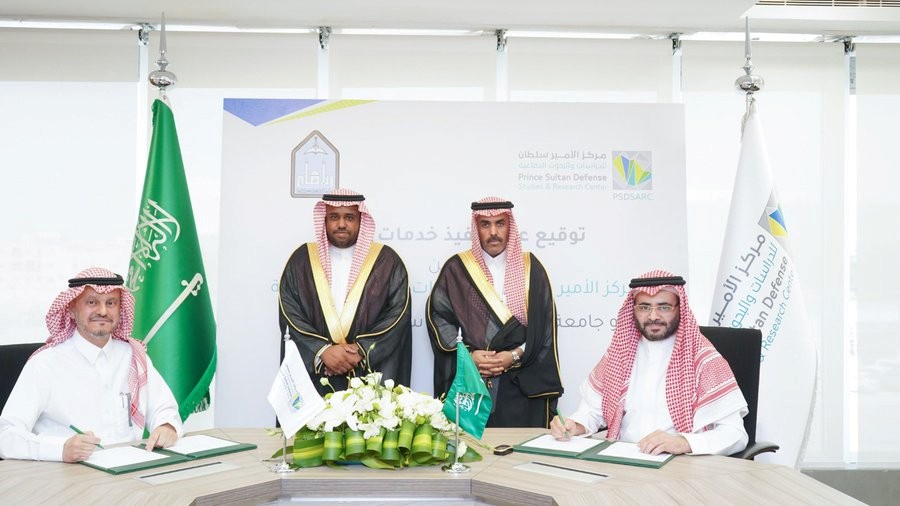
On Thursday, March 20, 2025, Imam Mohammad Ibn Saud Islamic University, represented by the Deanship of Scientific Research, signed three funding agreements with the Prince Sultan Center for Defense Studies and Research. These agreements aim to implement research and studies focused on excellence and innovation in defense solutions and the development of engineering and technological fields.
The signing ceremony was attended by:
- Prof. Salem bin Ali Al-Yami – Dean of Scientific Research
- Dr. Naif bin Mohammed Al-Otaibi – Vice President for Graduate Studies and Scientific Research
- Prof. Nashmi bin Hassan Al-Rashidi – Dean of the College of Engineering
- Head of the Engineering Sciences Research Center and the researchers awarded the funded grants
The agreements aim to:
- Support applied research in defense and engineering fields
- Promote national innovation in advanced technologies
- Develop best research practices through institutional collaboration
- Enable researchers to work within multidisciplinary research teams
These agreements represent a model for developing international best practices in research and technological collaboration. They contribute to the achievement of the Sustainable Development Goals through innovation, research empowerment, and integration between academic and specialized research sectors—particularly in:
- Quality Education (SDG 4)
- Industry, Innovation, and Infrastructure (SDG 9)
- Partnerships for the Goals (SDG 17)
https://units.imamu.edu.sa/deanships/SR/news/Pages/22-3-2025.aspx
Visit of the Saudi CIFAL Center to Promote Best Practices in Sustainable Development
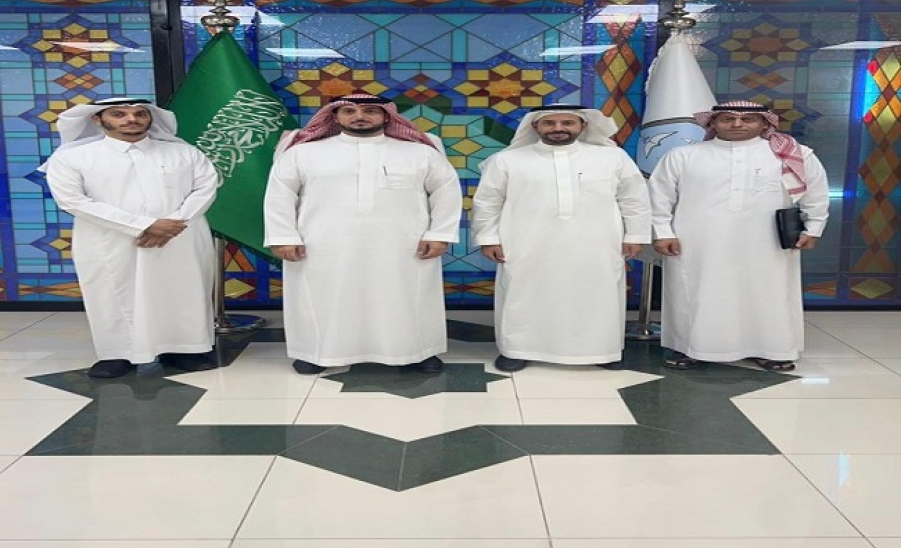
On October 12, 2023, Imam Mohammad Ibn Saud Islamic University welcomed a delegation from the Saudi SEVAL Center for Training and Development, affiliated with Majmaah University. The visit was part of ongoing academic cooperation and knowledge exchange in the field of sustainable development.
Both parties discussed the formation of a strategic partnership aimed at promoting sustainability within the educational environment, building capacities, and sharing best practices for achieving the Sustainable Development Goals (SDGs). This collaboration reflects the university's commitment to developing comparative approaches and adopting international best practices in addressing sustainability challenges. It also supports the realization of Saudi Vision 2030 and the global SDGs.
https://m.mu.edu.sa/ar/news/centers-and-institutes/cifal-center/206711
Imam Mohammad Ibn Saud Islamic University's Contribution to Advancing Best Practices in Event Management and Institutional Development
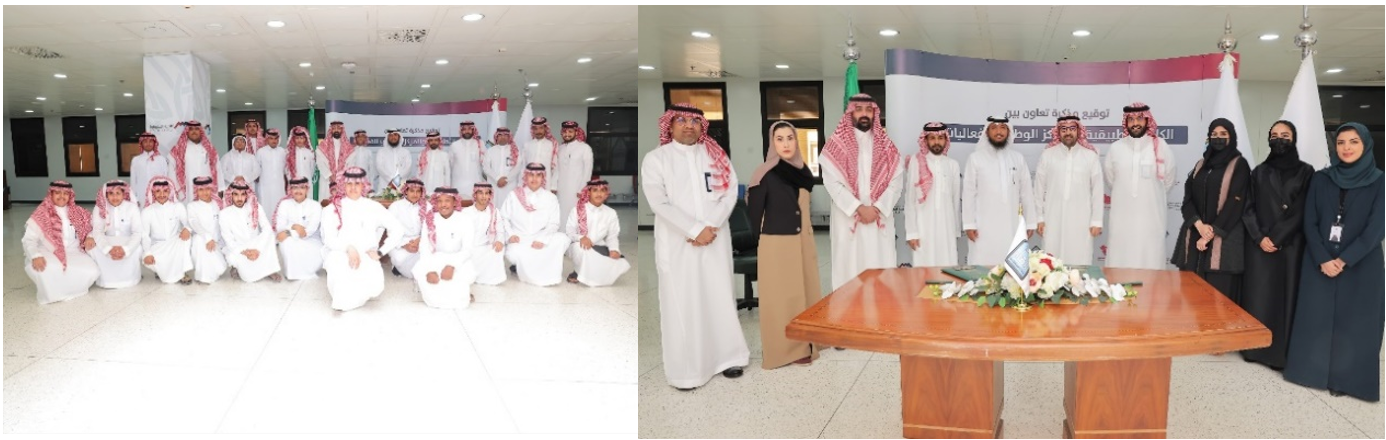
On Monday, April 28, 2025, Imam Mohammad Ibn Saud Islamic University, represented by the Applied College, signed a Memorandum of Understanding with the National Events Center to strengthen cooperation in event management, training, and institutional development.
The university was represented by Dr. Abdullah bin Ibrahim Al-Salloum, Chief Executive Officer of the Applied College, while the center was represented by Mr. Yasser bin Abdullah Al-Rajban, Deputy Director General.
The agreement aims to:
- Train and qualify national talent in event management
- Develop joint training programs
- Share the center's expertise to enhance faculty skills
- Provide cooperative training opportunities for students in the events sector
- Organize joint events, conferences, and workshops
- Exchange knowledge, digital educational materials, and e-learning resources
- Conduct joint research in the field of event development
This agreement represents a model of collaboration with a government organization in vocational, technical, and institutional development. It contributes to the achievement of the Sustainable Development Goals through training programs, academic development, and institutional integration—particularly in:
- Quality Education (SDG 4)
- Decent Work and Economic Growth (SDG 8)
- Industry, Innovation, and Infrastructure (SDG 9)
- Partnerships for the Goals (SDG 17)
https://units.imamu.edu.sa/deanships/dcscs/news/Pages/new-7-5.aspx
Imam Mohammad Ibn Saud Islamic University's Contribution to Collaboration with Non-Governmental Organizations to Achieve the Sustainable Development Goals
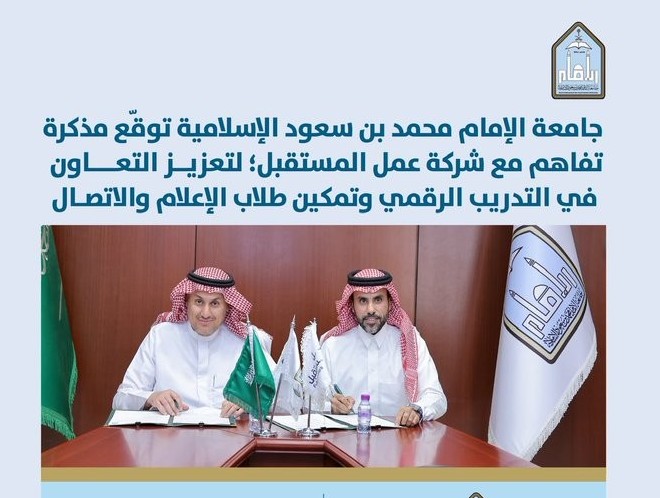
On Tuesday, July 1, 2025, Imam Mohammad Ibn Saud Islamic University, represented by the College of Media and Communication, signed a cooperation agreement with Future Work Company. The agreement aims to enhance the quality of the university's educational outcomes in alignment with labor market needs.
The agreement includes:
- Collaboration in scientific research, training, development, consulting, and quality assurance
- Organizing academic and research-related meetings, conferences, seminars, and workshops
- Exchanging knowledge resources and digital educational materials
- Developing faculty members' skills
- Improving the performance of administrative units and development initiatives
This agreement represents an effective model of collaboration with a non-governmental organization in the fields of education and training. It contributes to the achievement of the Sustainable Development Goals through training programs, knowledge exchange, and institutional development—particularly in:
- Quality Education (SDG 4)
- Decent Work and Economic Growth (SDG 8)
- Partnerships for the Goals (SDG 17)
https://imamu.edu.sa/news/Pages/news_1_7_2025_01.aspx
Imam Mohammad Ibn Saud Islamic University's Contribution to Collaboration with the Non-Profit Sector in Health and Scientific Research
Imam Mohammad Ibn Saud Islamic University, represented by the Vice Presidency for Graduate Studies and Scientific Research, signed a Memorandum of Understanding with Novo Genomics Medical Company, a biotechnology and genomics firm, to strengthen scientific and research cooperation and develop national competencies in vital fields. This partnership aligns with the goals of Saudi Vision 2030 and the Sustainable Development Goals (SDGs).
The university was represented by Dr. Naif bin Mohammed Al-Otaibi, Vice President for Graduate Studies and Scientific Research, while Novo Genomics was represented by Dr. Abdullah Al-Hosawi, Chief Executive Officer.
The agreement aims to:
- Train and qualify students through specialized programs in biotechnology
- Enhance collaboration in joint research projects
- Organize regular meetings and workshops within the non-profit sector
- Exchange expertise in strategic planning and institutional excellence
- Develop faculty skills in genomics and related fields
This agreement represents an effective model of collaboration with a non-governmental organization in the health and research sectors. It contributes to the achievement of the Sustainable Development Goals through training programs, academic development, and integrated research efforts. The partnership also reflects the university's commitment to strengthening cooperation with the private sector in vital areas and activating its role in supporting innovation and scientific research, contributing to sustainable development both locally and globally.
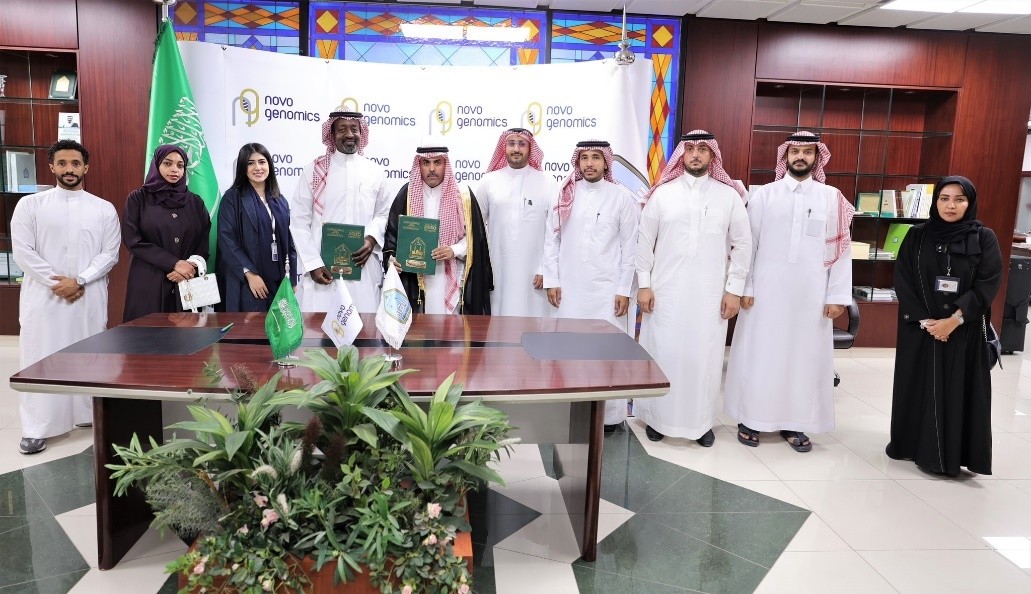
توقيع الجامعة مذكرة تفاهم مع شركة "نوفو جينومكس الطبية"
Imam Mohammad Ibn Saud Islamic University's Contribution to Legal Collaboration with Non-Governmental Organizations to Achieve the Sustainable Development Goals
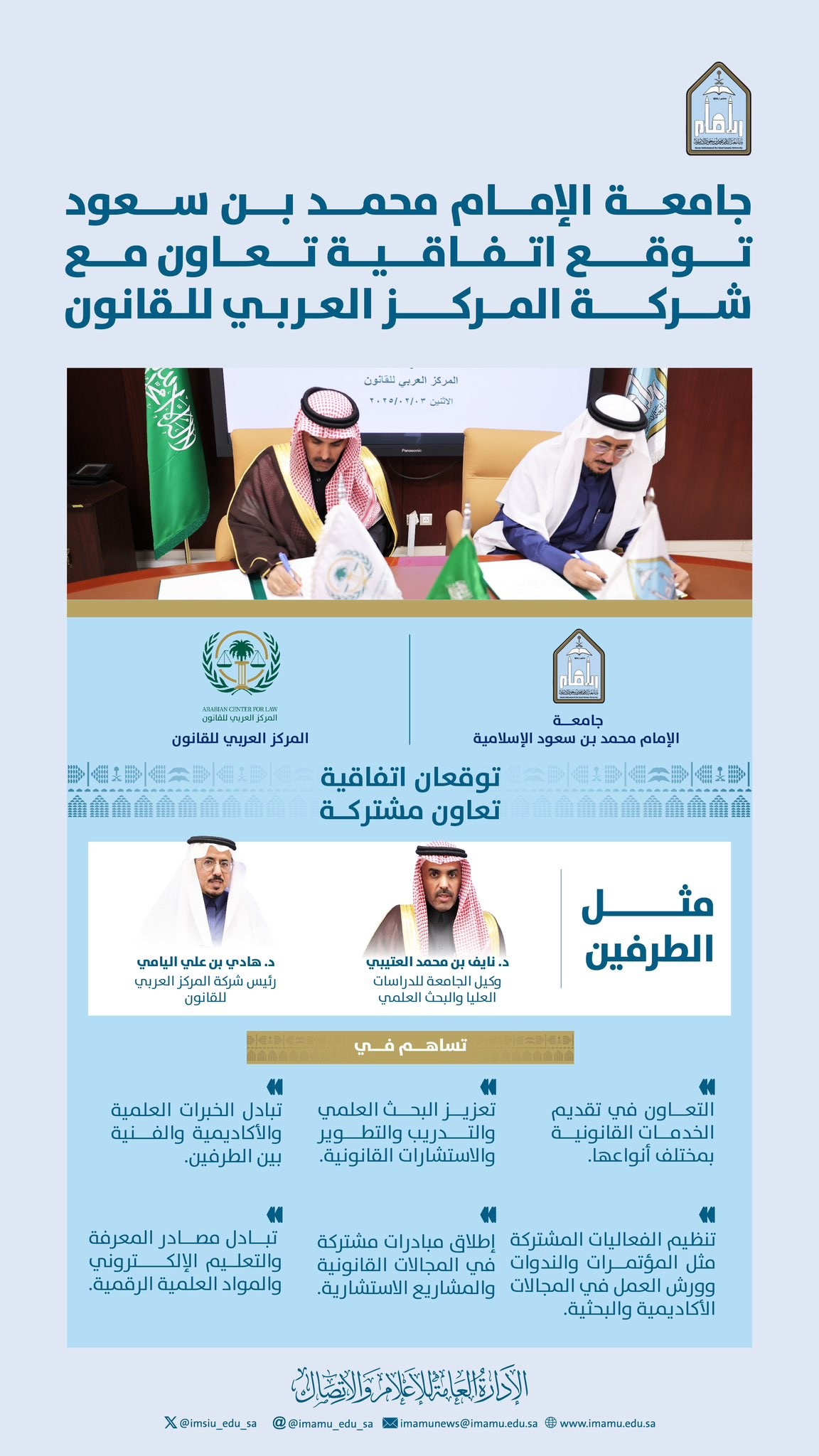
Imam Mohammad Ibn Saud Islamic University, represented by the Vice Presidency for Graduate Studies and Scientific Research, signed a cooperation agreement with the Arab Center for Law Company. The agreement aims to strengthen academic and research collaboration in legal fields and to develop advisory and educational services that support sustainable development—particularly SDG 17: Partnerships for the Goals.
The university was represented by Dr. Naif bin Mohammed Al-Enezi, Vice President for Graduate Studies and Scientific Research, while the Arab Center for Law was represented by Dr. Hadi bin Ali Al-Yami, President of the company.
Objectives of the Agreement:
- Exchange of scientific, academic, and technical expertise between both parties
- Promotion of legal research and training
- Collaboration in providing various types of legal services
- Organization of joint events such as conferences, seminars, and workshops
- Launching joint initiatives in legal fields and advisory projects
- Sharing knowledge resources, e-learning platforms, and digital educational materials
This agreement represents a model of effective collaboration with a non-governmental organization in legal empowerment and rights awareness. It contributes to the achievement of the Sustainable Development Goals through advisory programs, legal initiatives, and knowledge integration. The agreement also reaffirms the university's commitment to expanding its partnerships with specialized entities and activating its role in supporting legal and educational development, in alignment with Saudi Vision 2030 and the global SDGs.
https://units.imamu.edu.sa/deanships/SR/news/Pages/5-2-2025.aspx
https://units.imamu.edu.sa/deanships/SR/news/Pages/4-2-2025--3.aspx
Imam Mohammad Ibn Saud Islamic University's Contribution to Collaboration with the Non-Profit Sector in Training and Institutional Development
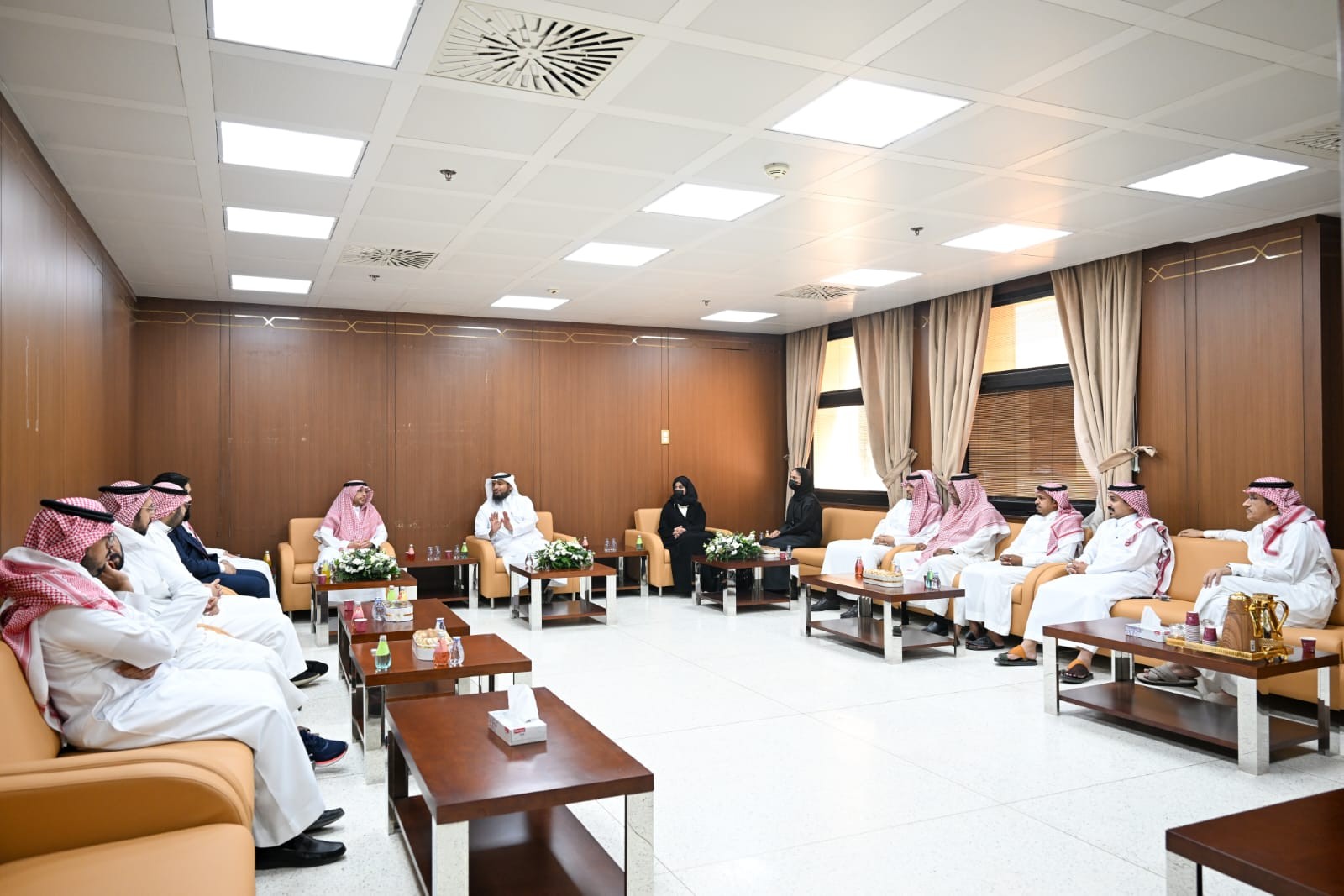
On Wednesday, April 23, 2025, Imam Mohammad Ibn Saud Islamic University, represented by the Applied College, signed a Memorandum of Understanding with KAMS Global, a company specializing in aviation and airport services. The agreement aims to strengthen cooperation in academic, training, and development fields.
The agreement includes:
- Training and qualifying college students and staff in aviation and airport services
- Offering specialized diploma programs that meet the needs of the Saudi labor market
- Exchanging educational resources and e-learning platforms
- Providing expert trainers in aviation and airport-related programs
- Organizing meetings, conferences, seminars, and workshops
- Facilitating faculty exchange to enhance professional development
- Supporting cooperative training for students in airlines and ground services companies
This agreement represents a model of collaboration with a non-governmental organization in vocational and technical education. It contributes to the achievement of the Sustainable Development Goals through training programs, academic development, and institutional integration—particularly in:
- Quality Education (SDG 4)
- Decent Work and Economic Growth (SDG 8)
- Industry, Innovation, and Infrastructure (SDG 9)
- Partnerships for the Goals (SDG 17)
https://units.imamu.edu.sa/deanships/dcscs/news/Pages/new-27-4.aspx
Publishing Progress Reports on Achieving the Sustainable Development Goals
As part of Imam Mohammad Ibn Saud Islamic University's commitment to supporting the Sustainable Development Goals (SDGs), the university is keen to prepare and publish periodic reports that highlight the progress made in achieving each individual goal. This approach reflects transparency and reinforces the university's role as a responsible and influential academic institution.
These reports serve as strategic tools for documenting efforts, measuring impact, and encouraging engagement. They typically include:
- Presentation of initiatives and activities that contributed to achieving each goal's indicators.
- Highlighting local and international partnerships that supported implementation.
- Analysis of qualitative and quantitative data to assess progress.
- Providing future recommendations to improve performance and enhance impact.
These reports are published through the university's official website.
https://units.imamu.edu.sa/administrations/en/sustainable/Pages/default.aspx
The University's Commitment to Purposeful, Inclusive, and Holistic Education on Achieving the Sustainable Development Goals
Imam Mohammad Ibn Saud Islamic University affirms its strong commitment to integrating purposeful education on the Sustainable Development Goals (SDGs) across all its academic departments and university programs. Guided by its vision to achieve academic excellence and serve the community, the university is keen to embed the concepts and objectives of sustainable development within curricula and student activities, ensuring that every student becomes an active contributor to realizing these goals in practice.
The university also implements initiatives and applied programs that enhance students' awareness and equip them with the necessary skills to contribute to sustainable development—both locally and globally. This approach aligns with the university's mission to prepare a conscious and responsible generation capable of addressing future challenges, instilling human values and social justice, and participating in building a prosperous and sustainable society.
https://8c5a56c9.tiiny.site/
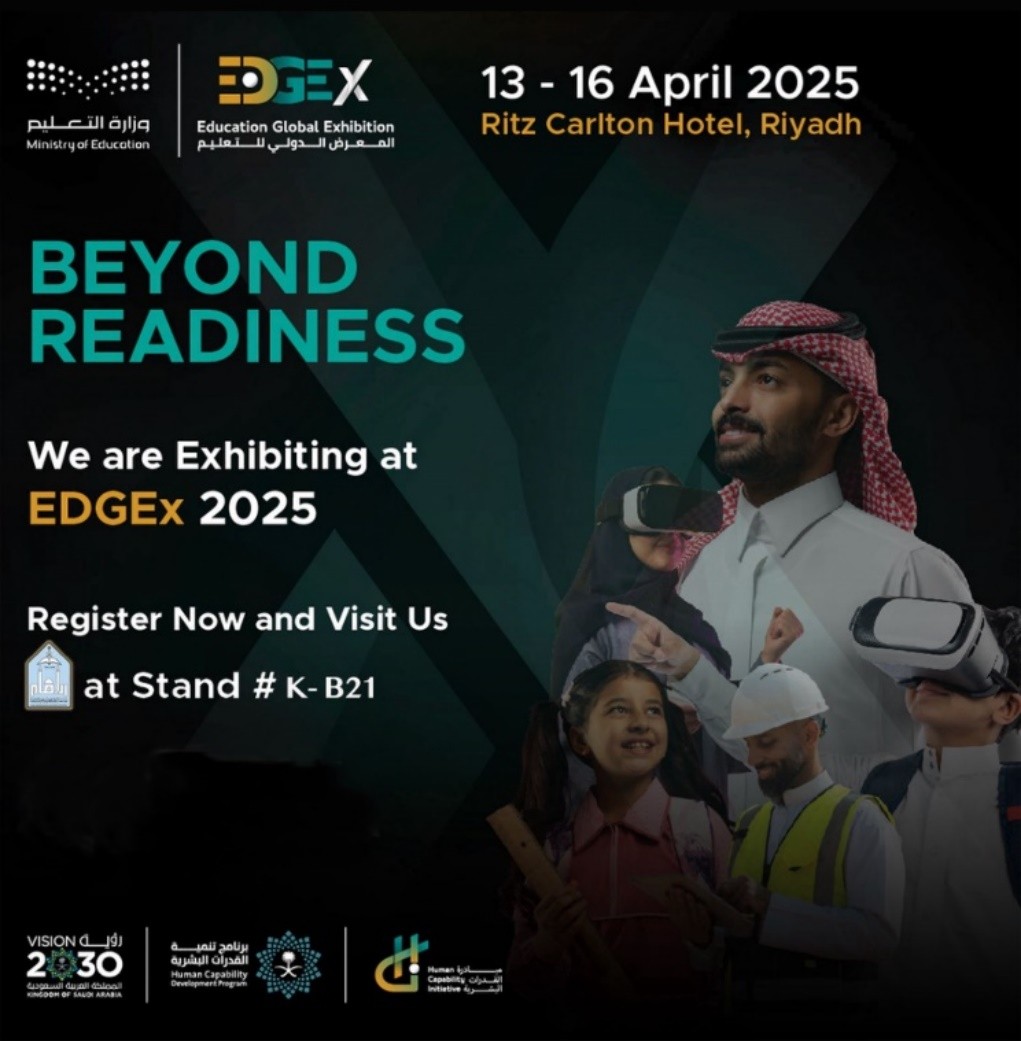
Imam Mohammad Ibn Saud Islamic University Participates in the International Education Exhibition (EDGEX)
Imam Mohammad Ibn Saud Islamic University is participating in the International Education Exhibition (EDGEX), held as part of the Human Capability Development Initiative Conference under the patronage of His Royal Highness Crown Prince Mohammed bin Salman — may God protect him — from April 13 to 16, 2025, under the theme “Beyond Future Readiness."
The university's participation reaffirms its role in supporting Saudi Vision 2030 by promoting international collaboration and signing a Memorandum of Understanding with the University of Massachusetts Dartmouth (USA) to advance academic, scientific, and technological partnerships. At its exhibition booth, the university showcases its most prominent research and innovation achievements, reflecting its progress in technology and entrepreneurship.
Linkage to the Sustainable Development Goals (SDGs):
The university's participation in this conference contributes to the achievement of several SDGs, most notably:
- Goal 4 – Quality Education: By enhancing the quality of higher education and expanding opportunities for international academic collaboration.
- Goal 9 – Industry, Innovation and Infrastructure: Through showcasing innovations and inventions, and encouraging scientific and technological research.
- Goal 17 – Partnerships for the Goals: By signing the Memorandum of Understanding and building strategic partnerships with global universities that foster knowledge and expertise exchange.
https://imamu.edu.sa/news/Pages/news_8_4_2025_02.aspx
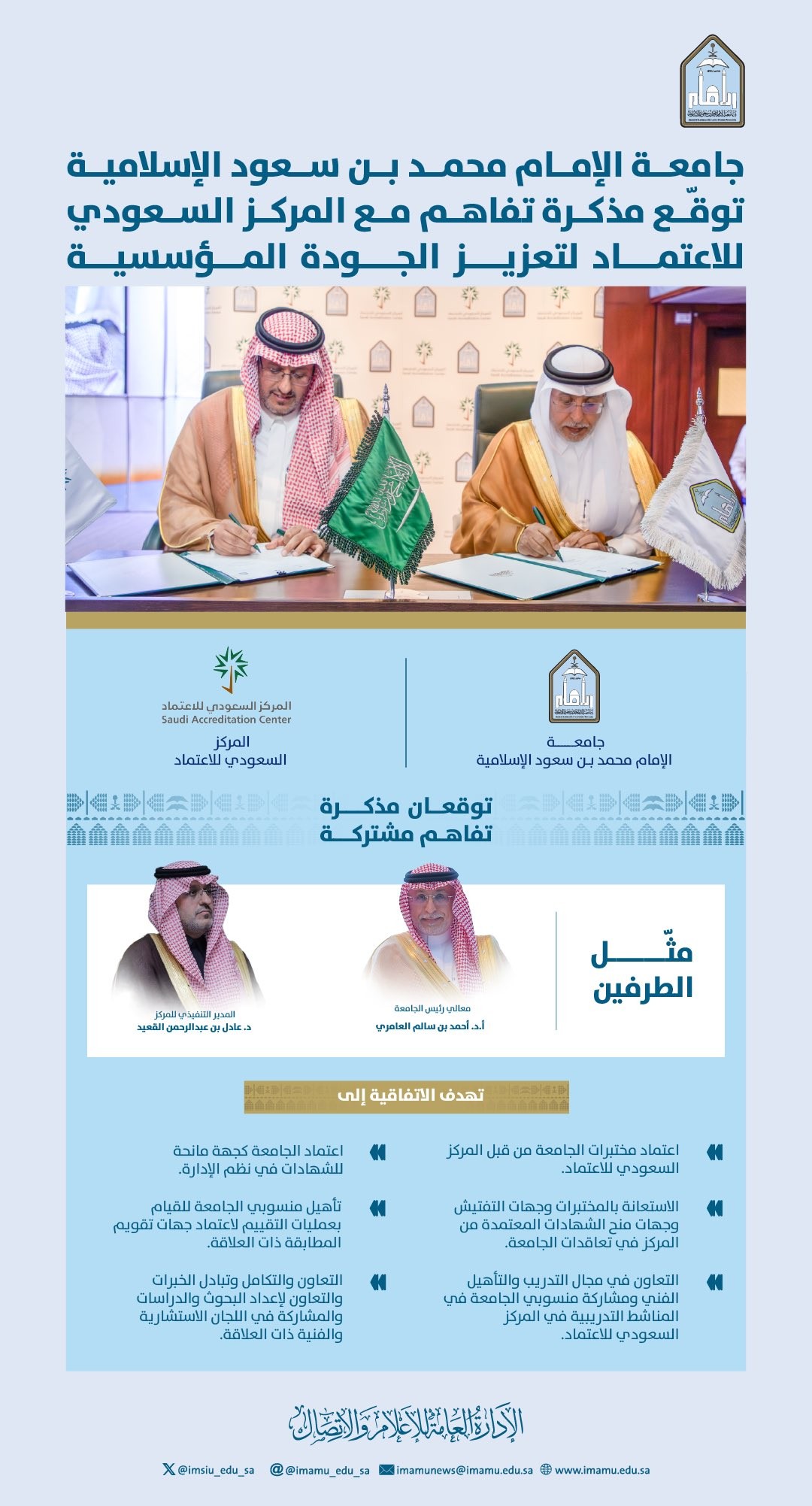
Imam Mohammad Ibn Saud Islamic University Signs Memorandum of Understanding with the Saudi Accreditation Center to Enhance Institutional Quality
Imam Mohammad Ibn Saud Islamic University has signed a Memorandum of Understanding (MoU) with the Saudi Accreditation Center, aimed at strengthening cooperation in the fields of quality assurance and academic accreditation. This initiative contributes to supporting the Sustainable Development Goals (SDGs), particularly in the areas of Quality Education and Institutional Excellence.
The agreement was signed by His Excellency the University President, Prof. Dr. Ahmed bin Salem Al-Amri, and the CEO of the Center, Dr. Saud bin Rashid Al-Askar. The MoU includes provisions for accrediting the university's programs by the Center, offering accreditation services for academic programs, collaboration in training and knowledge exchange, promoting joint research and scientific cooperation, and supporting the university's efforts to obtain both national and international accreditations.
Furthermore, the agreement aims to develop quality and academic accreditation standards in alignment with both Saudi and international benchmarks. This will enhance the university's position as a leading educational institution committed to excellence and quality assurance, and reflects its dedication to achieving the goals of Saudi Vision 2030.
https://x.com/IMSIU_edu_sa/status/1973393430756659684
https://imamu.edu.sa/news/Pages/news__1_10_2025_04.aspx
Assessing the Availability of Specialized Education in Sustainability at Imam Mohammad Ibn Saud Islamic University
Imam Mohammad Ibn Saud Islamic University offers a comprehensive set of general education courses that directly address environmental, social, and economic challenges. These courses play a vital role in raising awareness of the Sustainable Development Goals (SDGs) among all undergraduate students.
These courses are an integral part of the university's academic identity and reflect its mission to graduate globally competitive individuals equipped with the knowledge, skills, and values necessary to actively contribute to sustainable development. Through interdisciplinary learning, students engage with real-world issues such as climate change, responsible consumption, innovation, public health, and social justice—aligned with national development priorities and global sustainability frameworks.
The university's general education curriculum embodies a strategic commitment to supporting SDG 17: Partnerships for the Goals, by building students' capacities in collaboration, communication, and engagement in community and institutional work. These are essential elements for forming effective and sustainable partnerships at both local and international levels.
Key courses that directly contribute to this goal include:
- Volunteer Work Skills: One of the most impactful courses supporting SDG 17, it equips students with community engagement and teamwork skills, and raises awareness of the importance of collaboration with civil society organizations and both public and private sectors—enabling the university to build effective community partnerships.
- English Language Skills: This course empowers students to communicate with international partners and opens avenues for academic and research collaboration with external institutions, supporting the development of global partnerships based on mutual understanding and shared language.
- Leadership and Communication Skills: These courses enhance students' ability to build professional and institutional relationships based on trust and effective communication—key competencies for managing partnerships and achieving their objectives.
- Environment and Sustainable Development, Innovation and Entrepreneurship, Data Science: These courses exemplify the university's integrative approach to linking education with sustainable development. They prepare graduates to lead development initiatives in collaboration with various sectors, reinforcing the university's role as an active partner in achieving national and global goals.
Thus, these courses go beyond knowledge transmission—they serve as strategic tools for cultivating a generation of leaders and practitioners capable of supporting and advancing institutional and community partnerships, in alignment with Saudi Vision 2030 and the 2030 Agenda for Sustainable Development.
Detailed Mapping of Courses to Sustainable Development Goals (SDGs)
| Course Title | Linked SDG(s) | Description |
| Environment and Sustainable Development | SDG 13, SDG 12, SDG 15 | Enhances understanding of environmental challenges, promotes sustainable consumption and production, and supports biodiversity conservation. |
| Volunteer Work Skills | SDG 17, SDG 16 | Builds capacity for community engagement, strengthens partnerships, and supports strong institutions through organized volunteerism. |
| Mental Health | SDG 3 | Aims to improve mental well-being, positively impacting quality of life and reducing mental health disorders. |
| Health Culture | SDG 2, SDG 3 | Raises awareness of proper nutrition and disease prevention, supporting food security and public health. |
| National History | SDG 16, SDG 4 | Strengthens national identity and belonging, and supports quality education through historical context for building strong institutions. |
| Jurisprudence of Rights and Duties | SDG 16 | Promotes justice and transparency, and reinforces respect for rights and responsibilities within society. |
| Work Values and Ethics | SDG 8, SDG 12 | Supports ethical and sustainable work environments, and encourages responsible production and respect for workers' rights. |
Innovation and Entrepreneurship
| SDG 9, SDG 8 | Encourages innovative solutions and supports economic growth through new ventures and productivity. |
| Leadership Skills | SDG 4, SDG 16 | Prepares informed decision-makers and supports the development of strong and effective institutions. |
| Financial Planning Skills | SDG 1, SDG 8 | Helps individuals manage financial resources effectively, contributing to poverty reduction and economic growth. |
| English Language Skills | SDG 4, SDG 17 | Expands educational and international communication opportunities, supporting global partnerships. |
| Communication Skills | SDG 4, SDG 16 | Enhances effective communication within institutions and society, supporting quality education and strong institutions. |
| Technical Skills | SDG 4, SDG 9 | Develops digital competencies and supports innovation in industry and education. |
| Thinking Skills | SDG 4 | Promotes critical and creative thinking, supporting quality education and informed decision-making. |
| Fundamentals of Artificial Intelligence | SDG 9, SDG 4 | Facilitates understanding of modern technologies and supports innovation in industry and digital education. |
| Human-AI Interaction | SDG 9, SDG 10 | Enhances understanding of human-technology relationships, supports digital equity, and promotes technological justice. |
| Generative AI | SDG 9 | Supports the development of new tools and technologies across industries, fostering innovation. |
| Data Science | SDG 9, SDG 11 | Enables data-driven decision-making and supports the development of smart cities and sustainable communities. |
| Business Intelligence | SDG 8, SDG 9 | Supports strategic decision-making in business and enhances economic growth and institutional innovation. |
https://units.imamu.edu.sa/vrectorate/VR/StudentGuide/Pages/URPC.aspx
Education for SDGs in the wider community
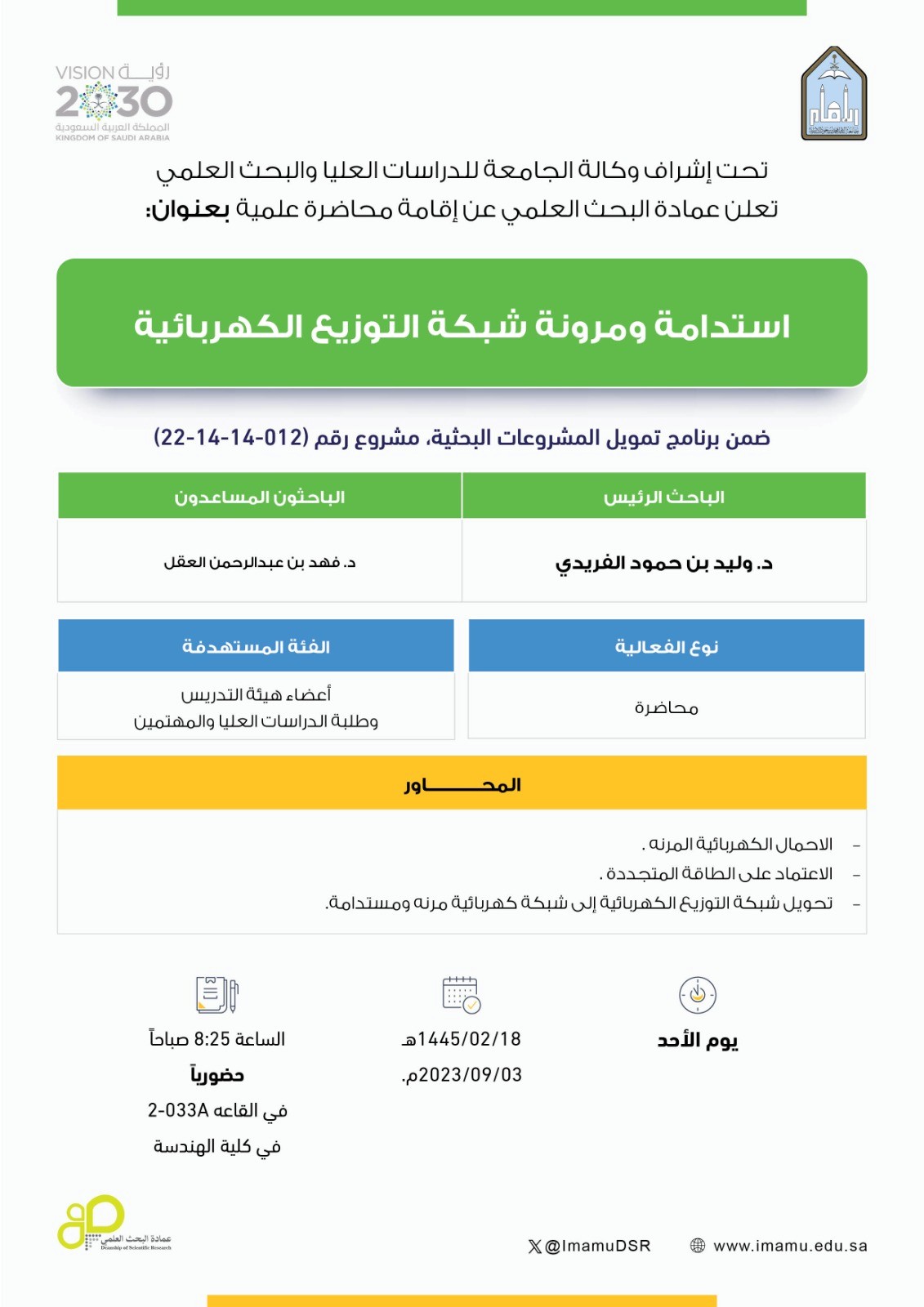
Sustainability and Flexibility of the Electricity Distribution Network
Our institution is deeply committed to advancing Education for Sustainable Development Goals (SDGs) beyond the campus, engaging the wider community through targeted outreach initiatives. We have established a series of dedicated educational programs and workshops designed for alumni, local residents, and displaced populations, ensuring inclusive access to lifelong learning opportunities. These activities include public seminars on sustainability, skill-building courses tailored for marginalized groups, and collaborative projects with community organizations to address local sustainability challenges. By fostering partnerships and leveraging the expertise of our academic community, we empower diverse stakeholders to contribute actively to the achievement of the SDGs, reinforcing our role as a catalyst for positive social and environmental impact.
Educational Awareness Activities
Imam Mohammad Ibn Saud Islamic University is committed to expanding its educational mission to include the broader community through dedicated awareness and educational initiatives. These efforts encompass lectures, workshops, and specialized training courses aimed at knowledge transfer, capacity building, and promoting lifelong learning across various segments of society.
By engaging the public on diverse topics such as scientific research, technology, health, sustainability, and social responsibility, the university plays an active role in community development and supports the achievement of the Sustainable Development Goals (SDGs).
Applied and Engineering Sciences
Artificial Intelligence and Digital Transformation
Humanities and Social Sciences
General Directorate of Community Service and Social Responsibility
The General Directorate of Social Responsibility and Community Service at Imam Mohammad Ibn Saud Islamic University is dedicated to achieving the SDGs through a wide range of initiatives and programs targeting the broader community—including alumni, local residents, and various societal groups.
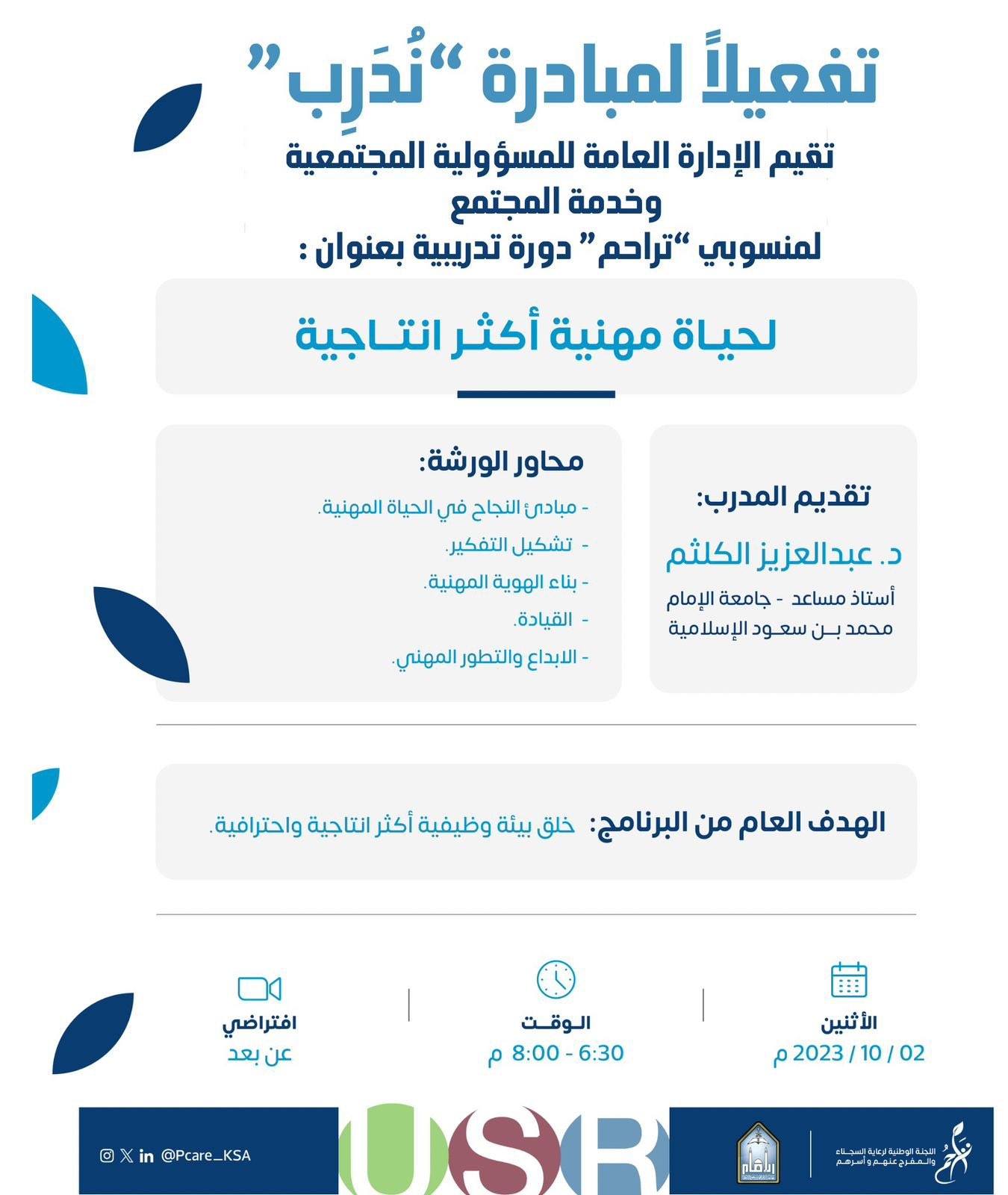
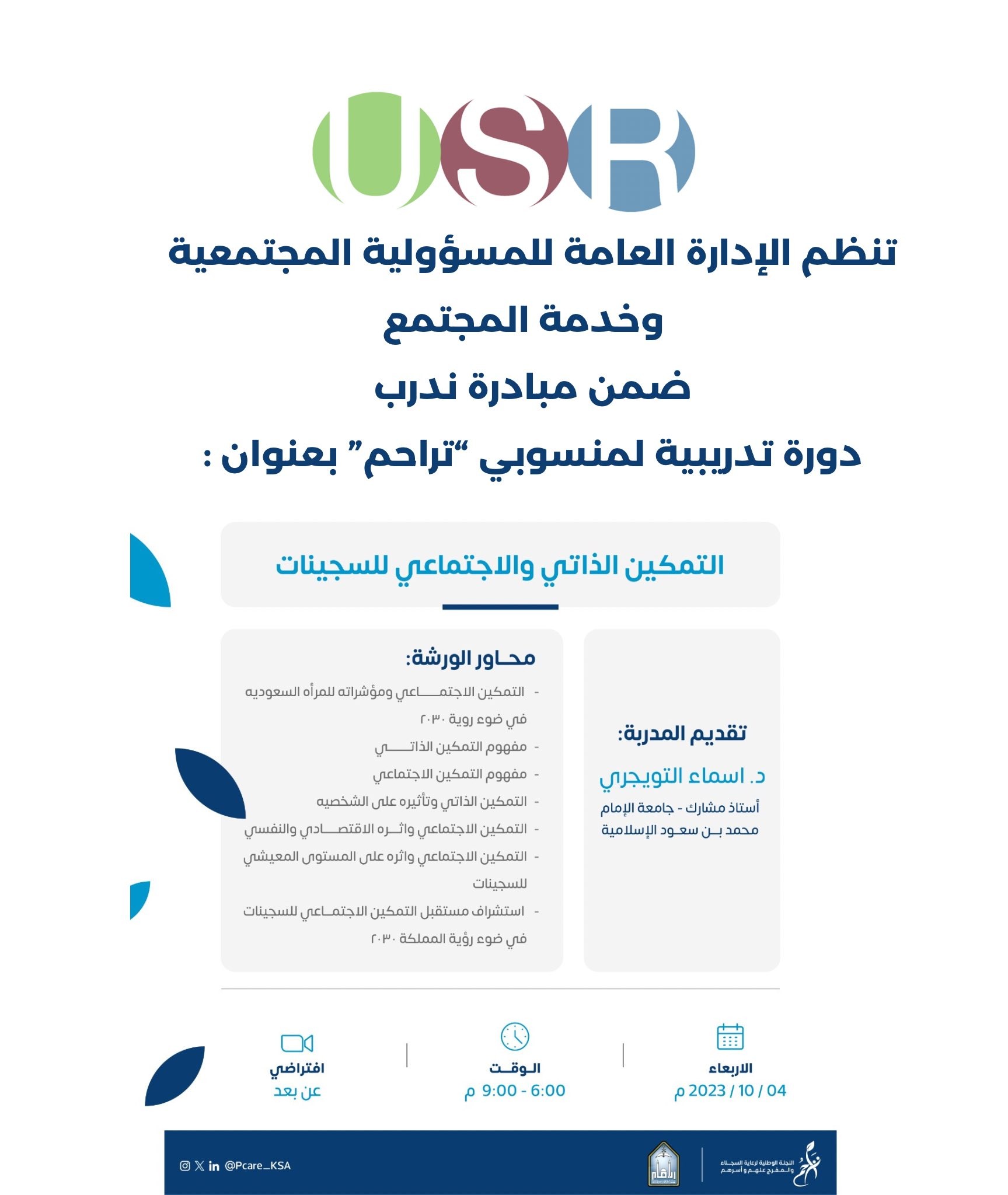
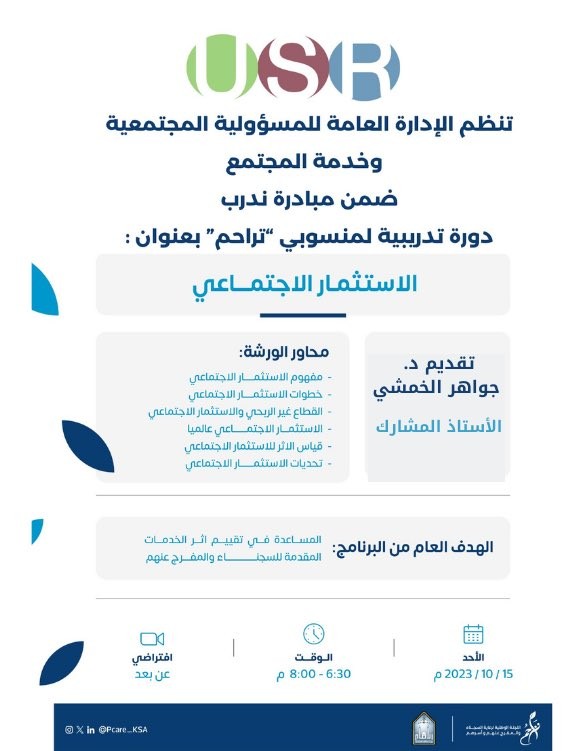
These activities include impactful initiatives such as blood donation campaigns, awareness publications for international and national observances, health awareness campaigns, and topics related to social justice. Additionally, the Directorate organizes specialized training courses such as “Towards a More Productive Career," empowerment programs for female inmates in collaboration with the “Tarahum" Committee, and workshops on social investment.
These programs aim to build capacities, promote social inclusion, and support sustainable development across all segments of society—reflecting the university's leadership in community service and social responsibility.
https://x.com/IMSIU_edu_sa/status/1709121585875964044
https://x.com/IMSIU_USR/status/1709340068001759519
https://x.com/IMSIU_USR/status/1713475873586692308
Awareness Publications
As part of Imam Mohammad Ibn Saud Islamic University's commitment to its pioneering role in community service and sustainable development, the General Directorate of Community Responsibility stands out as an active platform for promoting awareness and reinforcing national and humanitarian values.
Through a series of awareness publications, the Directorate aims to highlight the university's contributions to achieving the Sustainable Development Goals (SDGs), foster a culture of belonging and citizenship, and support initiatives that address community needs and align with societal aspirations.
These efforts reflect the university's vision of building a holistic educational environment that places the human being at the center of development, and affirms its belief that education, knowledge, philanthropy, and community partnerships are fundamental pillars for shaping the future.
https://x.com/IMSIU_USR/status/1969695312773054688
University Participation in the International Day of University Sport
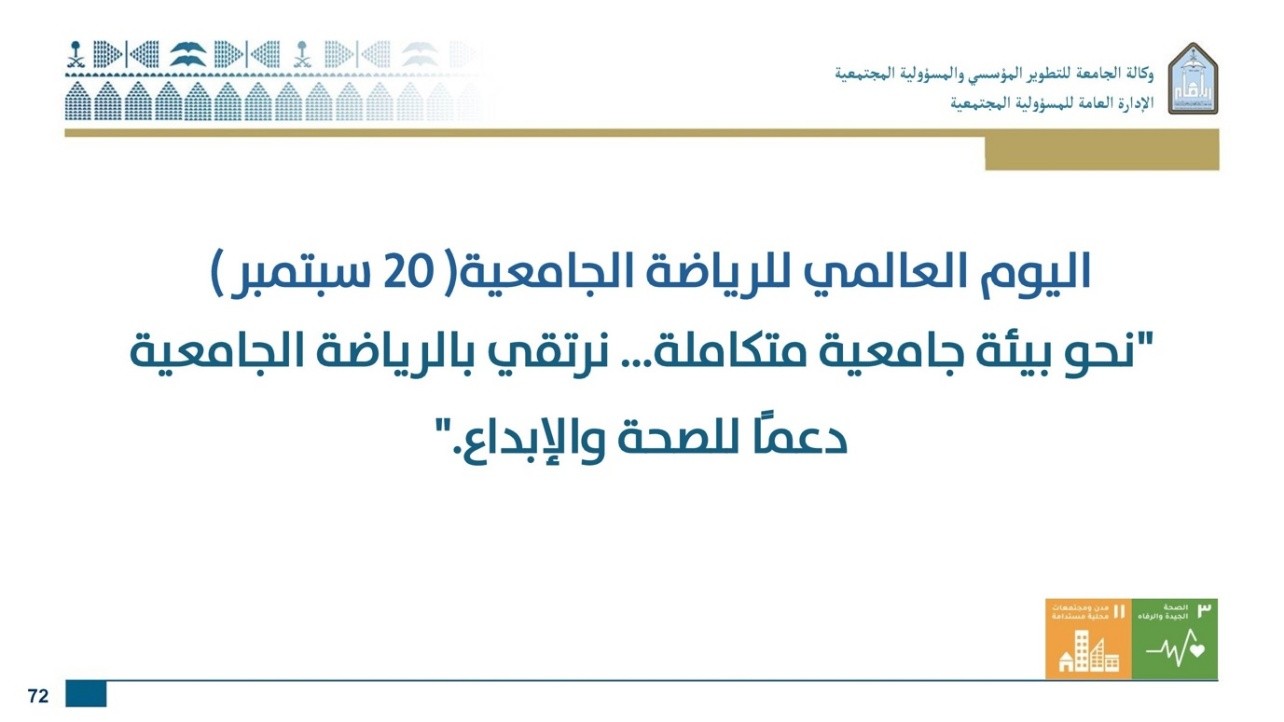
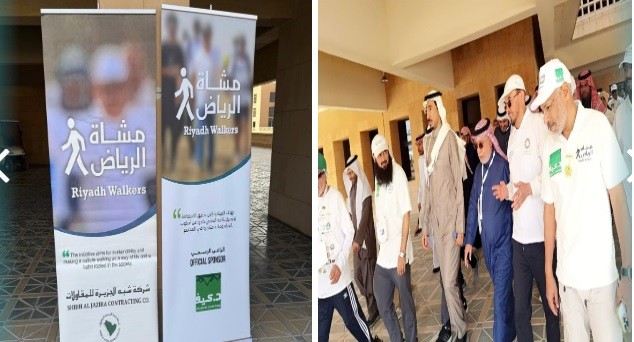
Imam Mohammad Ibn Saud Islamic University participates in the International Day of University Sport on September 20, reaffirming the role of sports in building a holistic educational environment. Under the theme “Towards an Integrated University Environment… Elevating University Sports to Support Health and Creativity," the initiative reflects the university's commitment to promoting students' physical and mental well-being.
This participation is part of the university's broader efforts to achieve the Sustainable Development Goals (SDGs), particularly in the areas of health, education, and quality of life.
رابط رعاية ومشاركة معالي رئيس الجامعة.. جامعة الإمام محمد بن سعود تنظم فعالية “المسار الرياضي"
https://x.com/IMSIU_USR/status/1968762791759667391
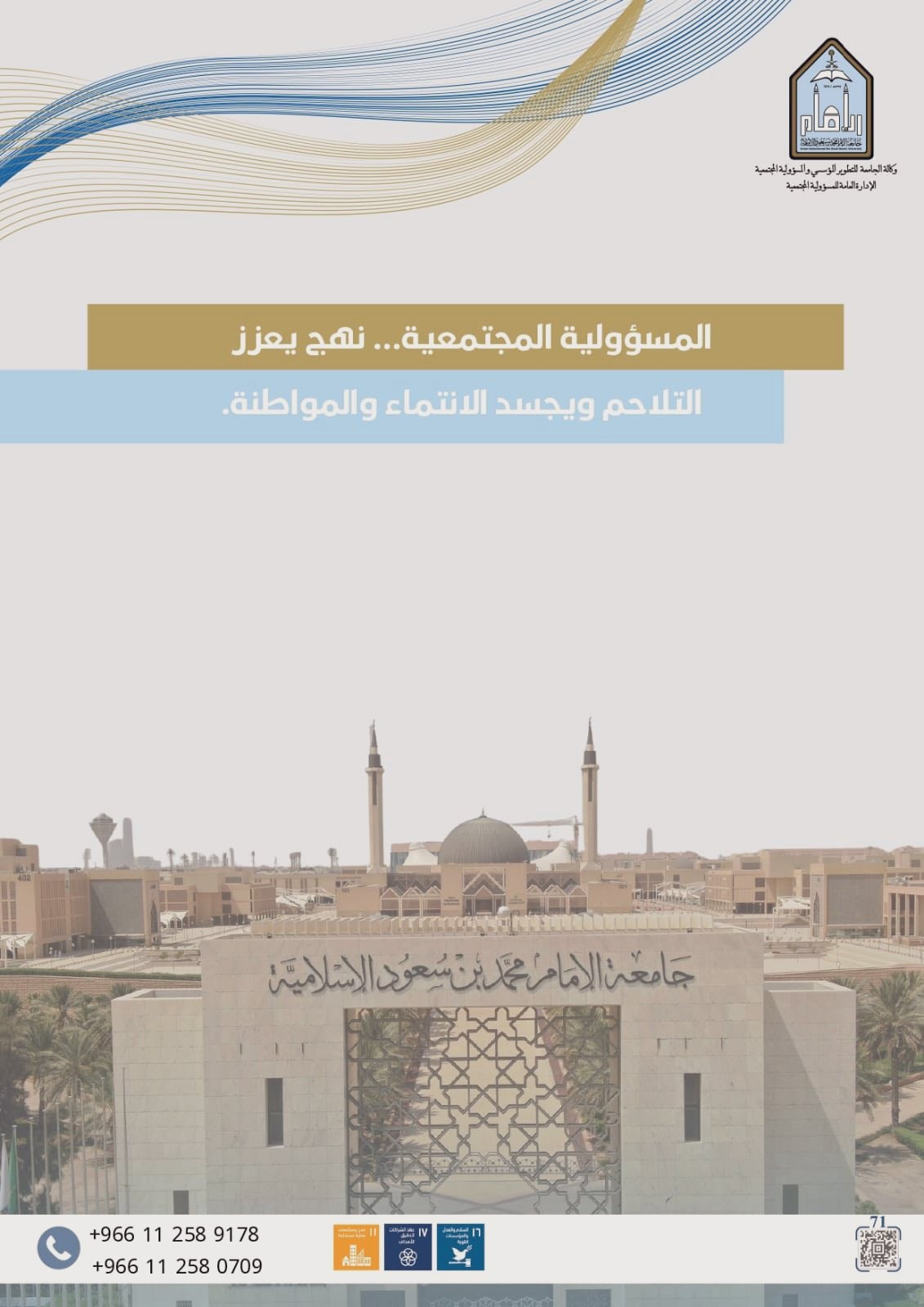
The phrase “Social Responsibility… A Path That Strengthens Cohesion and Renews Belonging and Citizenship" reflects the strategic direction of Imam Mohammad Ibn Saud Islamic University in reinforcing its societal and national role. This message expresses the university's commitment to promoting active citizenship and national belonging through interactive initiatives and programs targeting diverse segments of society.
This approach contributes to the achievement of the Sustainable Development Goals (SDGs), particularly:
- SDG 16 – Peace, Justice and Strong Institutions, by fostering inclusive and just communities.
- SDG 11 – Sustainable Cities and Communities, through initiatives that support social cohesion and community development.
It also demonstrates the university's dedication to building an open and interconnected educational environment that contributes to comprehensive development.
https://x.com/IMSIU_USR/status/1968160330846248993
University Staff Participation in Community Initiatives
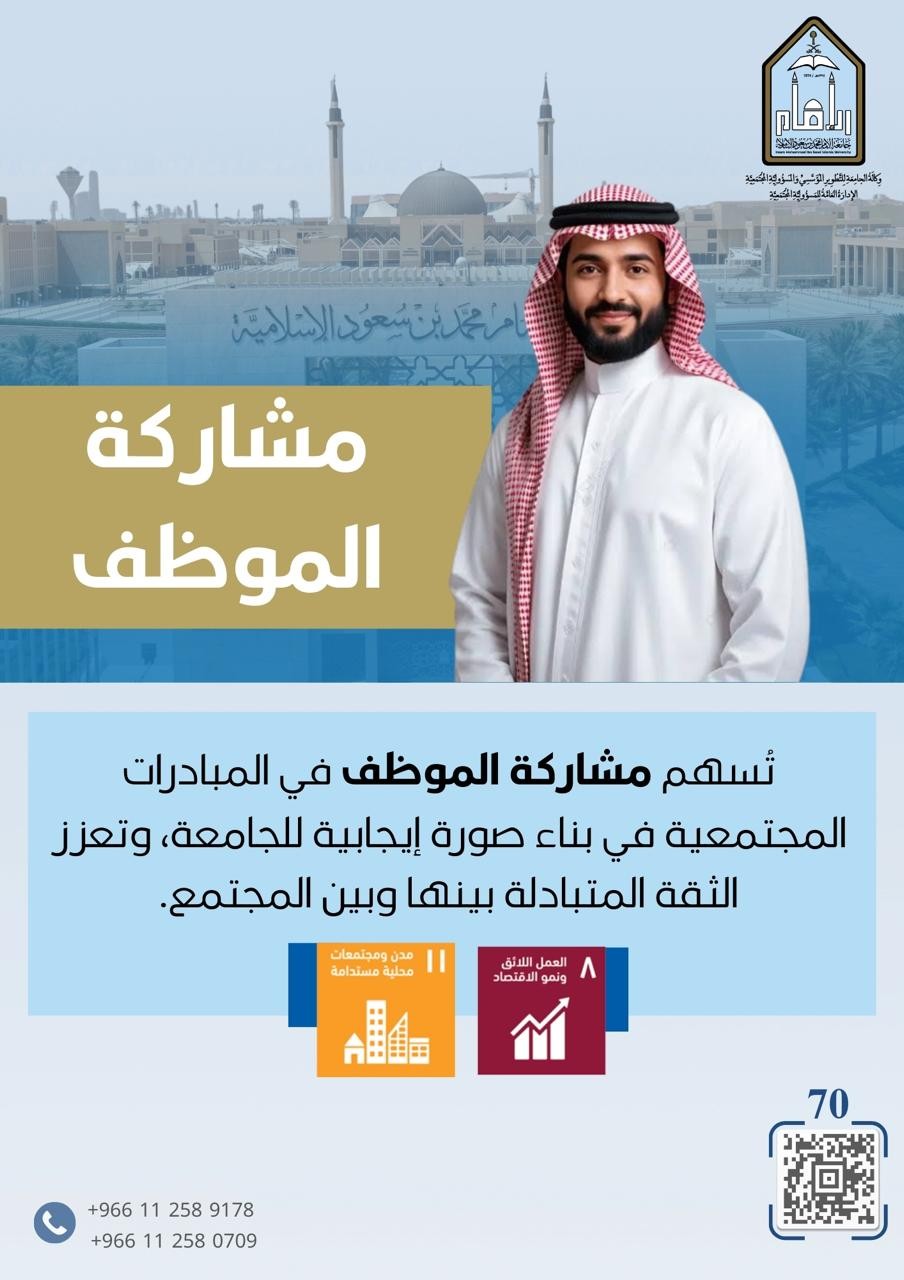
The active participation of university staff in community initiatives plays a vital role in shaping a positive institutional image and strengthening the relationship between the university and the local community. This engagement serves as a practical embodiment of the values of belonging and responsibility, and enhances public trust in the university's developmental role.
Such efforts contribute directly to the achievement of the Sustainable Development Goals (SDGs), particularly:
- SDG 17 – Partnerships for the Goals, by fostering community cohesion and collaborative engagement.
- SDG 16 – Peace, Justice and Strong Institutions, through empowering educational institutions to serve society effectively.
This approach reflects the university's commitment to being an active and responsible partner in sustainable development.
https://x.com/IMSIU_USR/status/1965632939095740698
Social Responsibility as a Driver of Community Resilience
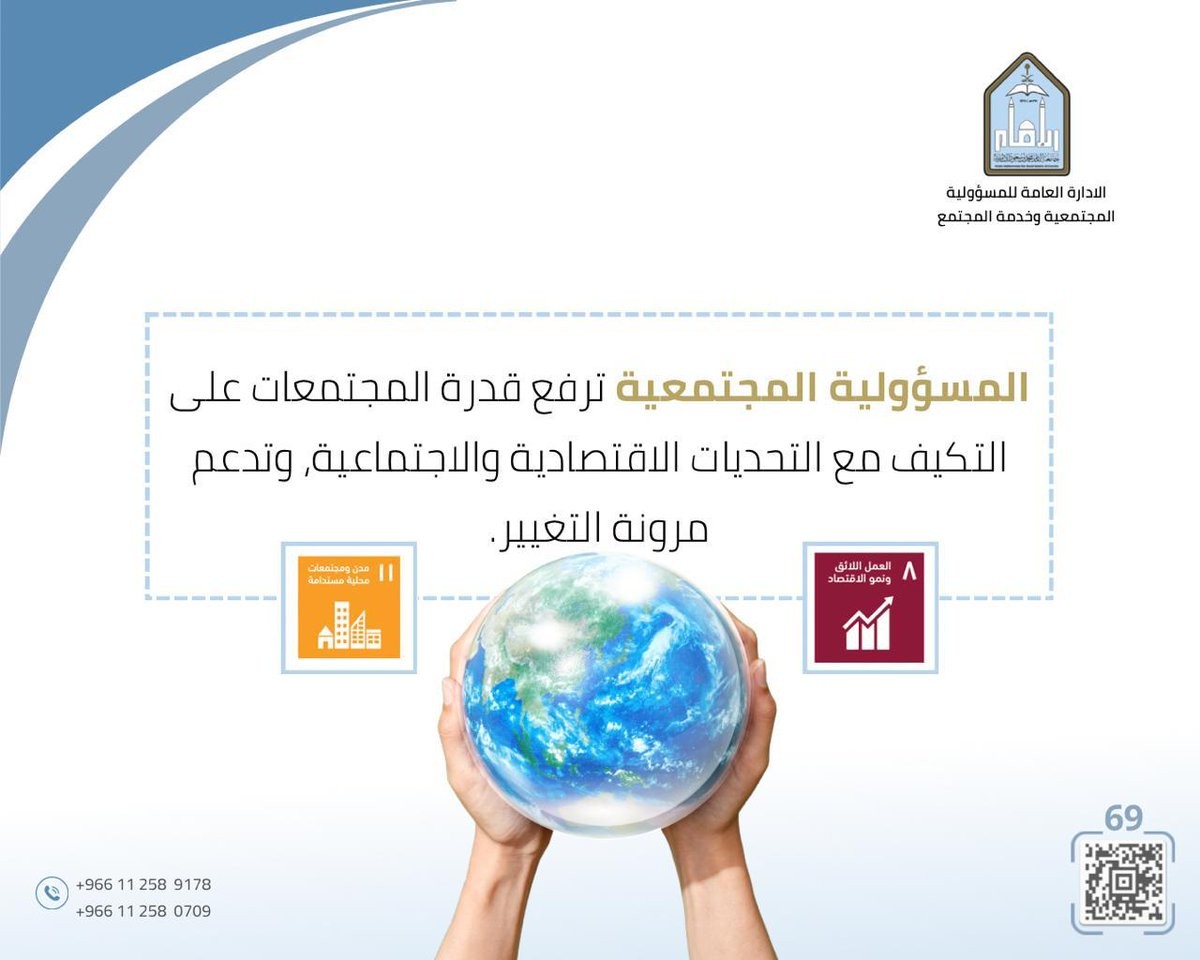
Social responsibility is one of the key drivers enabling communities to adapt to evolving economic and social challenges. It contributes to strengthening community resilience and responsiveness by building support networks and providing sustainable educational and developmental opportunities.
This approach supports the achievement of the Sustainable Development Goals (SDGs), particularly:
- SDG 8 – Decent Work and Economic Growth, by promoting inclusive development and economic empowerment.
- SDG 10 – Reduced Inequalities, through fostering social cohesion and encouraging community participation in processes of change and development.
University Participation in the International Literacy Day
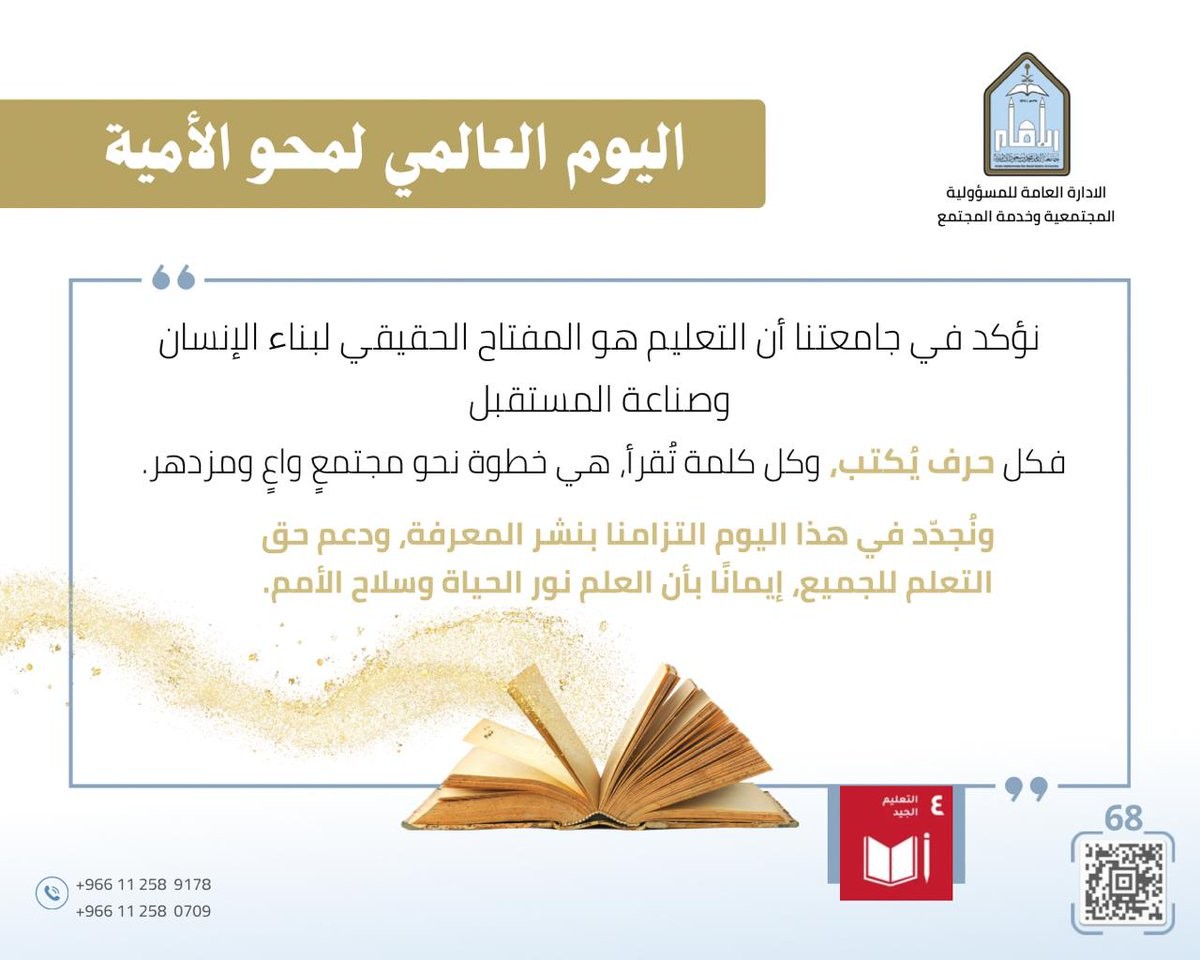
Imam Mohammad Ibn Saud Islamic University affirms that education is the cornerstone of human development and future-building. Every letter written and every word read represents a step toward a more aware and prosperous society.
On International Literacy Day, the university renews its commitment to spreading knowledge and promoting the right to education for all, believing that learning is the light of life and the tool by which nations confront challenges.
This initiative aligns with SDG 4 – Quality Education, which calls for inclusive, equitable, and quality education and the promotion of lifelong learning opportunities for all.
https://x.com/IMSIU_USR/status/1964906902133113108
University Participation in the International Day of Charity
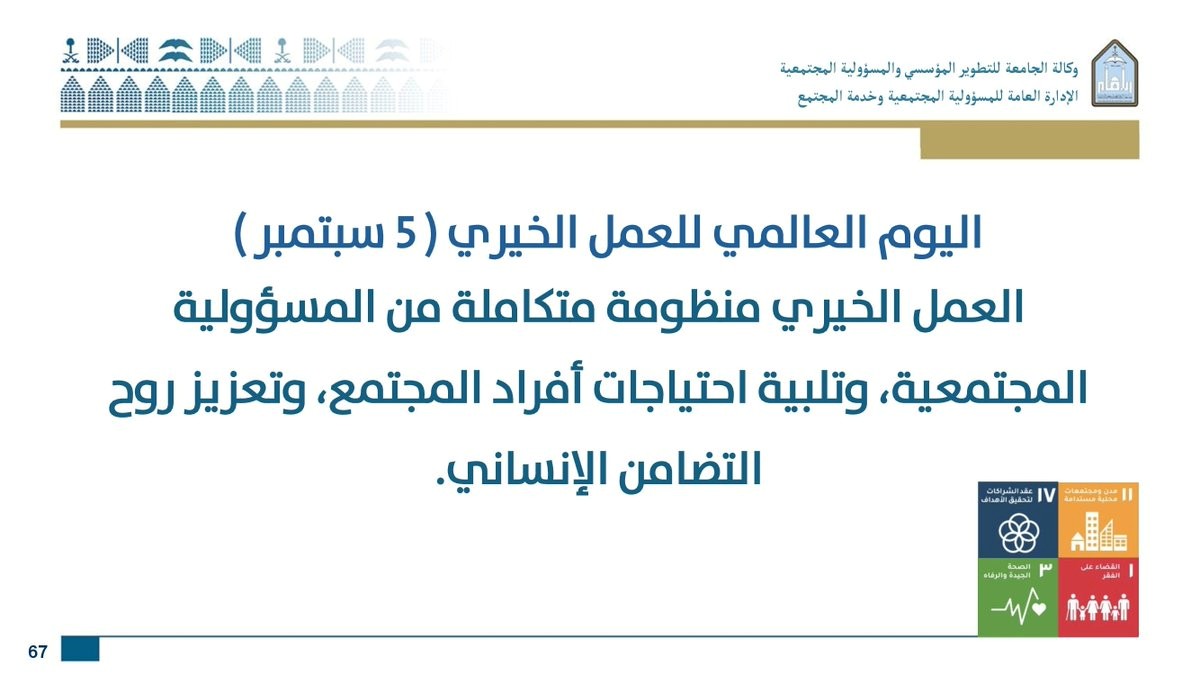
Charity work represents a comprehensive system of social responsibility that contributes to meeting community needs and fostering a spirit of human solidarity. On the International Day of Charity, Imam Mohammad Ibn Saud Islamic University reaffirms its commitment to supporting humanitarian and developmental initiatives that promote social cohesion and contribute to improving quality of life.
These efforts align with several Sustainable Development Goals (SDGs), particularly:
- SDG 1 – No Poverty
- SDG 3 – Good Health and Well-being
- SDG 11 – Sustainable Cities and Communities
- SDG 17 – Partnerships for the Goals
Through building effective cooperation networks that serve both individuals and society, the university demonstrates its role as a proactive partner in sustainable development.
https://x.com/IMSIU_USR/status/1964537239708541061
Awareness Publications: A Reflection of Deep Commitment
These awareness publications reflect Imam Mohammad Ibn Saud Islamic University's profound commitment to social responsibility and its active contribution to achieving the Sustainable Development Goals (SDGs) across all dimensions. Through fostering partnerships, supporting health, educational, and charitable initiatives, and reinforcing values of citizenship and belonging, the university continues to play a vital role in building a more conscious, cohesive, and sustainable society.
The General Directorate of Community Responsibility affirms that these efforts are only the beginning of a renewed journey of giving and development, driven by the belief that investing in people is the most effective investment for the future of the nation.
Sustainable Knowledge
As part of its commitment to promoting a culture of sustainability among its students, Imam Mohammad Ibn Saud Islamic University has launched a comprehensive knowledge-based initiative targeting over 60,000 students from various disciplines. The aim is to assess their understanding of fundamental sustainability concepts.
This indicator serves as a qualitative tool adopted by the university to measure the effectiveness of integrating sustainability into the educational process. It reflects the university's dedication to preparing a conscious and capable generation that can actively contribute to achieving the Sustainable Development Goals (SDGs) both locally and globally.
The objectives of this indicator include:
- Measuring students' awareness and knowledge of environmental, social, and economic sustainability issues.
- Identifying knowledge gaps across different disciplines to improve educational content tailored to each group's needs.
- Promoting interdisciplinary learning and connecting theoretical concepts with real-world applications.
- Guiding educational policies toward deeper integration of sustainability in curricula and student activities.
Through this indicator, the university affirms that sustainability is not merely a theoretical concept, but a way of life that must be instilled in students to empower them as future leaders in sustainable development.
https://eval.imamu.edu.sa/Blue/fp-ara.aspx?lang=ara&pid=e4d939a4-87ad-47e0-b807-779394fd2f1c&gid=885b599e-6765-4386-a53b-8582a4745cbf&sid=9b2c914514b545399f4251acfe631f0ac5ff5df1fde4d3e2f2f10e3d76038fe7ec7bf819627f9a23e0a230035019af2f®l=ar-QA&tk=FO&foId=ddb3257e-5c62-4ca0-b8f6-f24629af5f4a#FilloutControlTopBarAnchor
Conclusion
In conclusion, this comprehensive report clearly demonstrates that Imam Mohammad Ibn Saud Islamic University's efforts to achieve SDG 17: Partnerships for the Goals are not isolated initiatives, but rather an integral part of the university's identity and mission. They represent a strategic, interconnected vision that spans across sectors and scales.
The report highlights how the university has woven a wide network of impactful partnerships at both the local and international levels, affirming its role as a leading academic institution and a key driver of national development—fully aligned with the objectives of Saudi Vision 2030.
Fruitful collaboration with government entities—such as the Ministry of Industry and Mineral Resources, the Ministry of Municipal and Rural Affairs and Housing, and the Ministry of Environment, Water and Agriculture—demonstrates the university's pivotal role as a national think tank. Through its scientific and research contributions, the university helps shape evidence-based policies and develop innovative solutions to address developmental challenges in critical areas such as sustainable manufacturing, urban development, and environmental security. These partnerships embody true integration between academic thought and governmental execution, ensuring tangible and lasting impact.
Internationally, the university has spared no effort in building bridges of knowledge cooperation, as seen in its constructive dialogue with the Syrian Minister of Higher Education and Scientific Research, its engagement with the United Nations CIFAL Center, and its active participation in global forums such as the NAFSA Conference and the Geneva International Exhibition of Inventions. These initiatives aim not only to exchange best practices and gather global data, but also to position the university at the heart of the global dialogue on sustainable development—making it a trusted contributor to knowledge and innovation on the international stage.
The report also places special emphasis on partnerships with the private sector and non-governmental organizations, reflecting the university's belief in the importance of multi-stakeholder dialogue. Collaborations with companies such as Cenomi Retail and Al-Tayyar for Industrial Development and Investment, as well as specialized entities like the Permanent Committee for International Humanitarian Law and Tuwaiq Academy, illustrate a participatory approach aimed at aligning educational outcomes with labor market needs, stimulating innovation, and enhancing social responsibility. Through volunteer and research training programs and the development of educational resources, the university ensures a positive impact that reaches all segments of society.
At the heart of all these partnerships lies the university's unwavering commitment to purposeful education for sustainable development. By integrating sustainability concepts into both core and elective curricula, and offering awareness programs to the broader community—including alumni and local residents—the university is building a generation that is conscious, responsible, and equipped with the knowledge and practical skills to lead change. Courses such as Environment and Sustainable Development, Volunteer Work Skills, and Innovation and Entrepreneurship are clear examples of this strategic direction, empowering every individual to become a partner in the development journey.
Finally, Imam Mohammad Ibn Saud Islamic University reaffirms its determination to deepen existing partnerships and explore new horizons of collaboration. The university does not view SDG 17 as merely a metric to be measured, but as a guiding philosophy and a foundational approach to fulfilling its mission. With resolve and ambition, the university will continue to serve as a bridge between knowledge and society, between aspiration and achievement—actively contributing to building a sustainable and prosperous future for the nation and humanity.