Executive Summary:
This report
aims to highlight the efforts of Imam Mohammad Ibn Saud Islamic University
(IMSIU) in supporting the Eighth Sustainable Development Goal (SDG 8), which
focuses on Decent Work and Economic Growth.
Imam
Mohammad Ibn Saud Islamic University is one of the leading educational
institutions in the Kingdom of Saudi Arabia, committed to advancing the United
Nations Sustainable Development Goals, particularly SDG 8 on decent work and
economic growth. The university strives to provide a fair and equitable working
environment while promoting economic growth through education and scientific
research.
Key components of this report include:
- The SDG 8 methodology on Decent Work and
Economic Growth
- Linkages with other Sustainable Development
Goals
- Policies on ensuring a living wage
- Government initiatives supporting the
achievement of the living wage indicator
- Wage equity policies and closing the gender
pay gap
- Government initiatives supporting the
achievement of wage equity and the elimination of the gender pay gap
- Policies for measuring and tracking the gender
pay gap, and government initiatives supporting this indicator
- Direct efforts by Imam Mohammad Ibn Saud
Islamic University (IMSIU) in achieving indicators related to minimum wages and
fair wage practices
This report
reflects the university’s pioneering role—through the initiatives and policies
presented herein—and reaffirms Imam Mohammad Ibn Saud Islamic University’s
(IMSIU) commitment to aligning its strategies (IMSIU Strategic Plan, IMSIU Strategic Plan pdf) with the Kingdom of Saudi Arabia’s Vision
2030 (KSA
Vision2030) and the
United Nations Sustainable Development Goal 8 (SDG 8). It further emphasizes the university’s dedication to fostering a fair
and equitable working environment that supports economic and social growth in
the Kingdom.
SDG
8 Methodology – Decent Work and Economic Growth:
The Eighth
Sustainable Development Goal (SDG 8) aims to ensure the provision of a fair and
equitable working environment and to promote economic growth through education
and scientific research. Accordingly, Imam Mohammad Ibn Saud Islamic University
(IMSIU) supports SDG 8 on Decent Work and Economic Growth by focusing on
quality education, skills development, and the encouragement of innovation. The
university’s alignment with the national priorities of Vision 2030 enables
students and faculty members to effectively contribute to building a
sustainable and inclusive economy in the Kingdom of Saudi Arabia.
The
university’s initiatives are not limited to preparing graduates for the modern
workforce but also reinforce its commitment to ethical and sustainable labor
practices.
Decent work
in safe and stable conditions is also a vital element in helping to lift people
out of poverty, while addressing related aspects such as reducing hunger and
improving health. Conversely, precarious employment, modern slavery, and
unequal growth have given rise to threats against a sustainable future.
Universities, as employers, can take the lead—where teachers can educate about
the future, and innovators can develop new and fairer ways of working.
Introduction:
Imam Mohammad Ibn Saud Islamic University (IMSIU) is recognized as one
of the leading educational institutions in the Kingdom of Saudi Arabia,
committed to advancing the United Nations Sustainable Development Goals, particularly
Goal 8 on Decent Work and Economic Growth. The university strives to provide a
fair and equitable working environment and to promote economic growth through
education and scientific research.
In alignment with its mission and strategic objectives under KSA Vision
2030 and the targets of sustainable development, IMSIU reaffirms its strong
commitment to supporting SDG 8 (Decent Work and
Economic Growth) across all its indicators. This commitment is reflected in the
adoption of comprehensive institutional policies and practices that enhance
decent work standards and foster sustainable economic growth.
The university is dedicated to ensuring a fair and safe working
environment for its employees, guaranteeing equal opportunities and equity in
recruitment, promotions, and wages. It places special emphasis on empowering
women, attracting young national talent, and integrating people with
disabilities into the university workforce.
Furthermore, IMSIU contributes to driving economic growth by focusing on
innovation, entrepreneurship, and applied scientific research, while equipping
its graduates with the skills and knowledge required for the labor market—ultimately
creating sustainable employment opportunities and supporting comprehensive
development.
At the governance level, the university has ensured that SDG 8
objectives are embedded within its Strategic Plan (Alignment of
IMSIU’s Goals with Vision 2030 Objectives) and community
initiatives, thereby guaranteeing the sustainability of these efforts and their
alignment with both national and international commitments to sustainable
development. In doing so, IMSIU has established a distinguished presence in the
field of decent work and economic growth, both nationally and globally.
Linkages
with Other Sustainable Development Goals:
The impact
of education is not limited to achieving Goal 8 (Decent Work and Economic
Growth); rather, it serves as a fundamental pillar in realizing many other
Sustainable Development Goals. Sustainable and equitable economic growth
requires societies to create conditions that enable people to access decent
jobs that stimulate the economy without harming the environment. Innovation
will play a central role in achieving this, as will education (SDG 4 and SDG
9). Women, in particular, are often employed in the most vulnerable and
lowest-paid jobs, or face challenges related to pay equity and promotion (SDG
5).
Therefore,
it is essential for universities to demonstrate their commitment to sound
employment practices, such as providing living wages for employees, recognizing
workers’ committees, developing policies against exploitation (including for
early-career researchers), and establishing clear grievance and appeal
processes.
Living Wage
and Pay Equity Policies at the University
Imam Mohammad Ibn Saud Islamic University (IMSIU) places great
importance on ensuring justice and fairness in the workplace, in line with its
societal mission and its commitment to advancing the Sustainable Development
Goals. In this context, the university strives to guarantee fair wages for all
its faculty members and staff in accordance with the local living wage. It also
implements clear policies that strengthen pay equity, including a commitment to
measure and address the gender pay gap, as well as to monitor equality
indicators to ensure equal opportunities and achieve workplace fairness across
all groups within the university.
Living Wage Policies:
Imam Mohammad Ibn Saud Islamic University
(IMSIU) is committed to ensuring that the salaries of all its personnel do not
fall below the officially recognized national minimum wage, in support of the
concept of a “living wage”—that is, not less than the established local minimum.
At the national policy level, the Ministry of Human Resources and Social
Development issued a ministerial decision to raise the minimum wage for Saudi employees
to 4,000 SAR per month. This decision was followed by mandatory procedural
guidelines for government entities, requiring the inclusion of these minimum
thresholds in operations and maintenance contracts and ensuring that
contractors comply. In practice, this regulation means that any Saudi employee
earning less than 4,000 SAR is not counted as a full employee in Saudization
ratios, which incentivizes employers to provide wages at or above this
threshold. These government-set minimum wage standards are implicitly designed
to ensure that employees can meet basic living needs within the local context.
As a government institution, IMSIU fully
applies these regulations to the salaries of its official employees (as state
employees) and also enforces them in its contractual requirements with
outsourced operations and maintenance companies. This guarantees that all
workers—including faculty, staff, administrators, and support labor—receive a
wage that secures a decent standard of living and does not fall below the
established minimum.
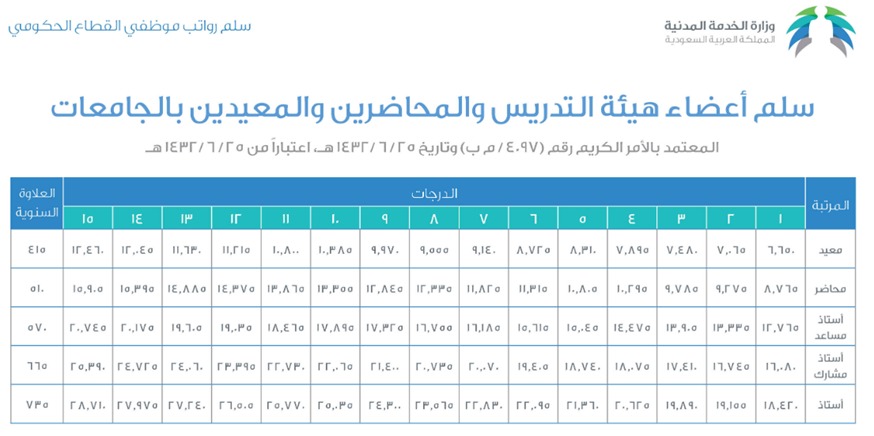
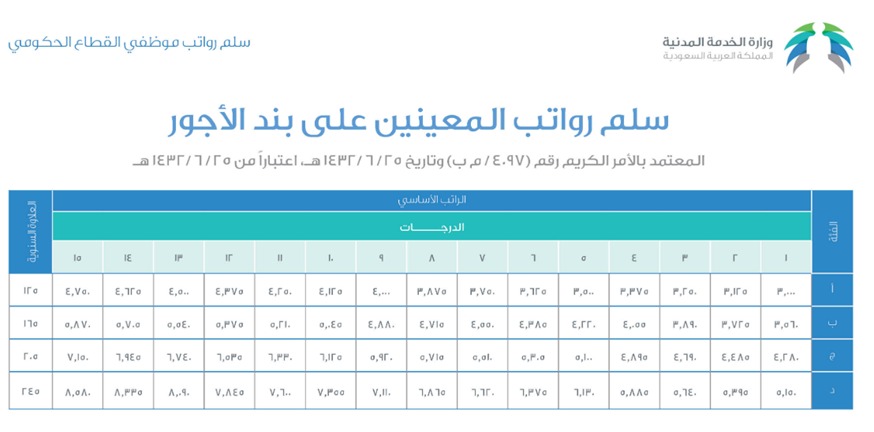
Moreover, the official salary scales adopted by
the university, including the Faculty Salary Scale and the Wage Scale for Contract Employees, demonstrate that the lowest categories of
employees are compensated in accordance with, and often exceeding, the mandated
government requirements, depending on years of service and qualifications.
Importantly, these wages are provided without discrimination on the basis of
gender or disability.
In addition
to its financial commitment, the university contributes its research expertise
to supporting national wage policies. For example, Dr. Mohammed Makni,
Professor of Finance, publicly shared his insights through the media on the
importance of adopting a more flexible approach to minimum wage determination
between major and secondary cities, in consideration of variations in the cost of
living. This
reflects the advisory role played by IMSIU’s faculty members in shaping
policies that ensure an appropriate living wage for all workers across the
Kingdom.
In
summary, as a government institution, Imam Mohammad Ibn Saud Islamic University
is firmly committed to ensuring that the compensation provided to its employees
and faculty members falls within the scope of a “living wage” in line with local standards, through full compliance with
the wage policies established and enforced by the Saudi government.Government
Initiatives Supporting the Living Wage Indicator:
The Kingdom
of Saudi Arabia is committed to enhancing the work environment and ensuring
that employees receive fair and adequate wages through several government
initiatives designed to achieve the Living Wage Indicator under the Sustainable
Development Goals.
As a
government institution, Imam Mohammad Ibn Saud Islamic University (IMSIU)
applies these national initiatives comprehensively, ensuring that both its
official employees and contracted staff—whether Saudi nationals or
residents—are fully covered by these government-led policies
Key Initiatives Introduced
Between 2023 and the Present:
1) Raising the
Minimum Wage under the Nitaqat Program:
Ministerial Resolution to Raise the Minimum
Wage for Saudi Employees
A
ministerial resolution was issued by the Ministry of Human Resources and Social
Development to raise the minimum wage for Saudi employees under the Nitaqat
Program from 3,000 SAR to 4,000 SAR. This policy aims to improve wage levels
and strengthen the Saudization of the labor market by incentivizing employers
to provide fair compensation that reflects living standards.
2) Wage
Protection Program:
The Wage Protection Program
was launched by the Ministry of Human Resources and Social
Development as part of the National Transformation Program to
ensure that organizations comply with paying wages on time and in the agreed
amount. The program contributes to providing a safe and suitable work
environment in the private sector, reducing labor disputes, and creating a
healthy workplace that encourages higher productivity through greater
transparency and the protection of contractual rights.
The program monitors wage payment transactions
for all employees—both Saudi nationals and expatriates—working in private
sector establishments, with the following objectives:
- Establishing
a database containing updated information on wage payment processes in the
private sector.
- Determining
the extent to which establishments comply with timely and accurate payment of
wages.
- Reducing
wage disputes between private sector employers and employees.
- 3) Localization of Professions with Minimum Wage Thresholds:
The Ministry of Human Resources and
Social Development has issued several decrees mandating the localization of
specific professions while setting minimum wage thresholds for inclusion in Saudization
ratios. For example, a minimum wage of 5,500 SAR has been set for healthcare
professions and 6,000 SAR for procurement professions.
Decree on the Localization of Healthcare Professions
Decree on the Localization of Procurement Professions
Additionally, the Ministry issued the Guide for the Localization of Operation and Maintenance Contracts
in Public Entities , which aims to
standardize the implementation of localization requirements across all
contracts, increase localization rates, set minimum salary thresholds, monitor
performance and career development, ensure knowledge transfer, and achieve
sustainable employment.
The guide obliges
public entities, when preparing tenders for new contracts, to transfer all
Saudi employees from the existing contract to the new one (with their consent
and the agreement of the previous contractor), while registering their
positions and salaries in the new contract. It ensures that wages and benefits
are not lower than those in the previous contract, and
requires new contractors to consider these conditions when submitting bids.
This measure, mandated by the Ministry, is designed to promote job security,
career stability, and clear professional pathways for Saudi men and women
working in this sector.
- 4) Government Initiatives
to Support the Private Sector During the COVID-19 Pandemic
The Government of the Kingdom of Saudi Arabia announced a package of
initiatives to support the private sector during the COVID-19 pandemic in order
to mitigate the economic impact of the crisis on private sector activities.
These measures included the allocation of 50 billion SAR to expedite payments
to the private sector, as well as direct financial support to workers
equivalent to the national minimum wage.
Among these initiatives was support provided to individuals working
independently (outside company employment structures) who were registered with
the General Transport Authority in passenger transport activities and
whose work was suspended due to precautionary measures against COVID-19. These
workers were granted financial support equivalent to the minimum wage.
Government Support to the Private Sector During the COVID-19
Pandemic
Authorities Involved in
Regulating and Protecting Wages:
Six
government entities share responsibility for regulating and safeguarding wages
in the Kingdom of Saudi Arabia:
- Ministry of
Human Resources and Social Development
- Ministry of
Finance
- Expenditure
and Projects Efficiency Authority
- Human
Resources Development Fund (HADAF)
- Technical
and Vocational Training Corporation (TVTC)
- Local
Content and Government Procurement Authority
These initiatives demonstrate the Kingdom’s—and consequently Imam
Mohammad Ibn Saud Islamic University’s (IMSIU)—commitment to developing
policies that improve the work environment and ensure employees receive fair
wages aligned with local living costs. This guarantees that workers and their
families earn an income above what is considered the local poverty or
sufficiency threshold, thereby contributing to the achievement of the
Sustainable Development Goals and reinforcing both economic and social
stability.
Wage Equity and Closing the Gender Pay Gap:
The university has adopted clear policies to ensure pay equity between
men and women and actively works to eliminate any existing gaps. These efforts
are aligned with national government initiatives such as the Gender Balance
in Civil Service Project and the Women’s Empowerment Initiative in Civil
Service.
The Women’s Empowerment Initiative contributes to increasing women’s
participation across all government sectors and at all employment levels by
investing in their skills and capabilities, expanding career opportunities, and
strengthening their involvement in the labor market. It also ensures equal
opportunities for men and women and supports women in assuming leadership and
senior structural positions within IMSIU and across other government entities
in the civil service.

Government Initiatives
Supporting Wage Equity and Closing the Gender Pay Gap:
In line with Saudi Vision 2030 and its associated programs, the
issue of women’s empowerment has received significant attention from the
Government of the Kingdom of Saudi Arabia and related entities, including the Ministry
of Human Resources and Social Development. One of the Vision 2030 targets
specifically focuses on increasing women’s participation in the labor market.
As a result, Saudi women have advanced rapidly toward empowerment due to
the issuance of multiple decisions, legislations, and regulations that have
strengthened their role in society. Today, women have become active partners in
national development across all fields—economic, social, scientific, cultural,
and beyond—at every level. The Kingdom places strong emphasis on achieving gender
equality in the workplace and addressing the gender pay gap through a
series of government initiatives, all of which IMSIU, as a public university,
is committed to implementing.
- Gender Balance in Civil
Service Project
Launched by the Ministry of
Human Resources and Social Development, this initiative—also known as the Women’s Empowerment Project—aims to close the gender gap and achieve balance in government sectors
by strengthening women’s roles in leadership positions and developing policies
that actively support equality. - Women’s
Empowerment Initiative in Civil Service
This initiative aims to strengthen women’s roles in the public
sector by developing policies and procedures that support their effective
participation in the labor market, while ensuring equality in opportunities and
wages.
Women’s Empowerment within the National Budget
Framework
Women’s empowerment has been a central focus
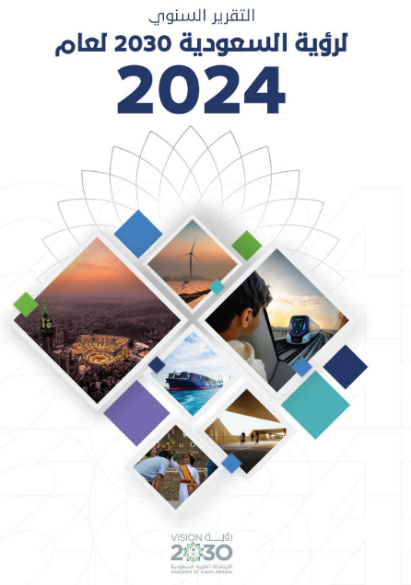
of Saudi Vision 2030. According to the Vision 2030
Annual Report 2024, the target for women’s
participation in the labor market was achieved a full decade ahead of schedule,
with the milestone reached in 2020. As a result, the target was raised to 40%
by 2030.
IMSIU has contributed to this progress
through the employment opportunities it has created in recent years, thereby
reinforcing the university’s role in promoting gender equality and supporting
national development goals.
- National
Transformation Program:
As
part of Saudi Vision 2030, the National Transformation Program seeks to develop
the necessary infrastructure and create an enabling environment across both the
public and private sectors to achieve gender balance. This is pursued through
policies and regulations that promote equality in wages and employment
opportunities
Executive Plan of the
National Transformation Program (2021–2025)
These
initiatives reflect the Kingdom’s—and consequently IMSIU’s—commitment to
achieving gender equality in the workplace and ensuring wage equity, thereby
contributing to the achievement of the Sustainable Development Goals and
enhancing both economic and social development
Policies for Measuring and Tracking
the Gender Pay Gap:
The Kingdom of Saudi Arabia places strong emphasis on achieving gender equality
in the workplace and actively measures and tracks the gender pay gap through
several government-led initiatives, the most prominent of which include:
- National
Labor Observatory
The National Labor Observatory (NLO) is
a government platform designed to provide accurate and reliable data on the
Saudi labor market, including indicators related to the gender pay gap. The
Observatory issues periodic reports, such as the annual Gender Gap Analysis in the Kingdom of Saudi Arabia, which analyze data and present key indicators influencing the
gender pay gap.
The purpose of these reports is to equip policymakers, employers,
and other stakeholders with the insights and strategies necessary to reduce the
gender pay gap in the labor market, thereby promoting fairness, equality, and
sustainable development

- Women’s Empowerment within the National Budget
Framework
- Executive Plan of the National Transformation
Program (2021–2025)
Direct Efforts by Imam
Mohammad Ibn Saud Islamic University (IMSIU) in Achieving Indicators Related to
Minimum Wages and Fair Wage Practices:
1)
General Directorate of Salaries and
Expenditures:
IMSIU has established a General Directorate of Salaries and Expenditures, which is responsible for administering and
disbursing salaries and wages for all university employees in accordance with
approved regulations and policies. This ensures compliance with the national
minimum wage requirements and guarantees fairness in the distribution of
salaries.
2)
Commitment
to the Minimum Wage:
IMSIU is fully committed to applying the
national minimum wage set by the Kingdom of Saudi Arabia and ensures that
employee salaries are aligned with the requirements of a decent standard of
living. This commitment is implemented through:
- Applying
clearly defined and publicly available salary scales for all job categories.
- Providing
additional allowances such as transportation and housing
allowances, as well as other benefits, bonuses, and
compensations.
Allowances,
Bonuses, and Compensations - Granting
annual salary increments to employees.
Salaries
and Allowances - Implementing
a system of performance-based bonuses and incentives
- Continuous Career Development:
IMSIU is committed to enhancing the career
pathways of its employees and improving their financial standing through:
- Promotions: The university regularly announces
promotions. For instance, 343 male and female employees at Imam
Mohammad Ibn Saud Islamic University were promoted to the tenth rank and
below
https://imamu.edu.sa/news/Pages/news_9_9_2024-01.aspx
- Providing
New Employment Opportunities:
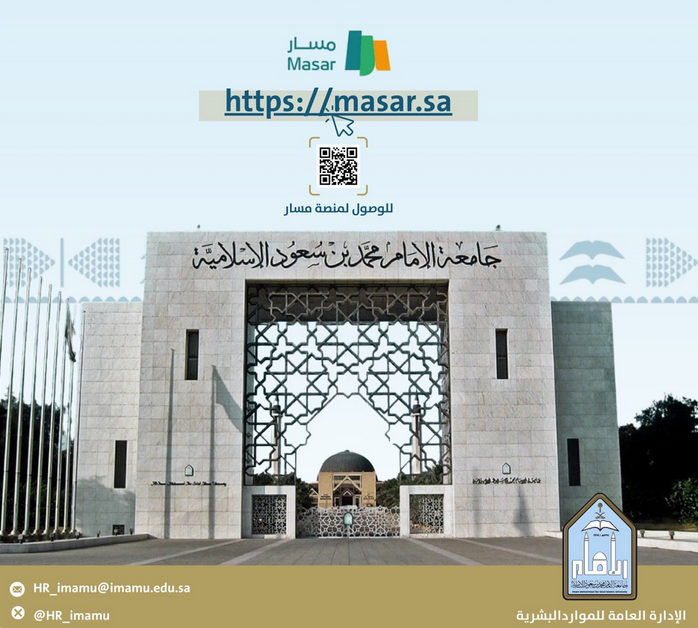
The university’s Deanship of Human Resources
announced the availability of several job opportunities to be filled through
transfer via the Masar
platform, a national digital platform offering a
package of electronic services that support government entities in developing
their human resources. The platform aims to refine and enhance the capabilities
of public sector employees.
An example of this is the following
announcement published on the X platform (formerly Twitter):
https://x.com/HR_imamu/status/1922185551165182436?utm
- Announcement of Academic Job Opportunities:
The General
Directorate of Human Resources at IMSIU also announced the
availability of several academic positions, to be
filled either through transfer or contractual employment.
https://units.imamu.edu.sa/administrations/employees/announcements/Pages/Job-advertisement.aspx

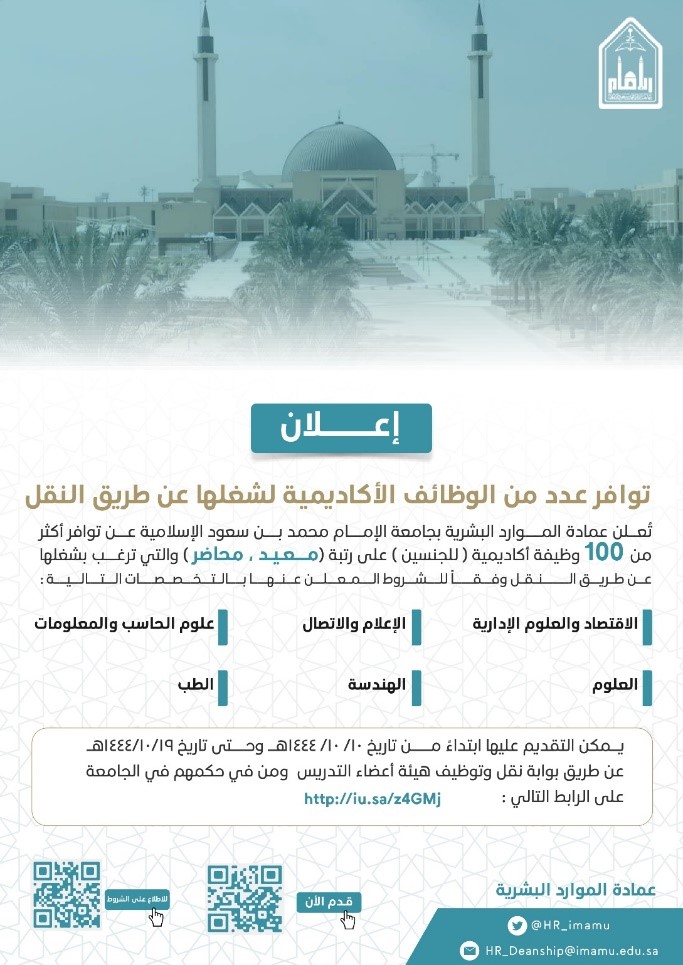
- Availability of More than 100 Academic
Positions:
IMSIU
announced the availability of over 100 academic positions
(for both male and female applicants) at the ranks of Teaching
Assistant and Lecturer in selected disciplines, to be filled
through transfer of services
https://units.imamu.edu.sa/administrations/employees/announcements/Pages/100.aspx
From the above, it is evident that the Government of the Kingdom of
Saudi Arabia, together with Imam Mohammad Ibn Saud Islamic University
(IMSIU), exerts significant efforts to achieve all employment-related
indicators under SDG 8 (Decent Work and Economic Growth)—particularly
those concerning the living wage, pay equity, and the measurement
and monitoring of the gender pay gap. These efforts are realized through:
- Applying fair and transparent salary scales.
- Providing appropriate allowances and bonuses.
- Enhancing employees’ career development
pathways.
- Issuing ministerial resolutions to raise the
minimum wage.
- Implementing the Wage Protection Program to
safeguard workers’ rights.
- Coordinating among multiple government
entities to regulate the labor market and protect employee rights.
These combined efforts reflect the strong commitment of both the Saudi
government and IMSIU to advancing the Sustainable Development Goals and
ensuring a fair and safe working environment for all.
Recognition of Unions, Labor Rights, and Employee
Grievance Processes
IMSIU’s Efforts in Implementing Fair Employment
Practices and Safeguarding Employee Rights in Line with Union Recognition and
Grievance Mechanisms Indicators:
- Memorandum of Understanding (MoU) with the
National Committee for Labor Committees (April 2024):
https://imamu.edu.sa/news/pages/news_22_4_2024_01.aspx
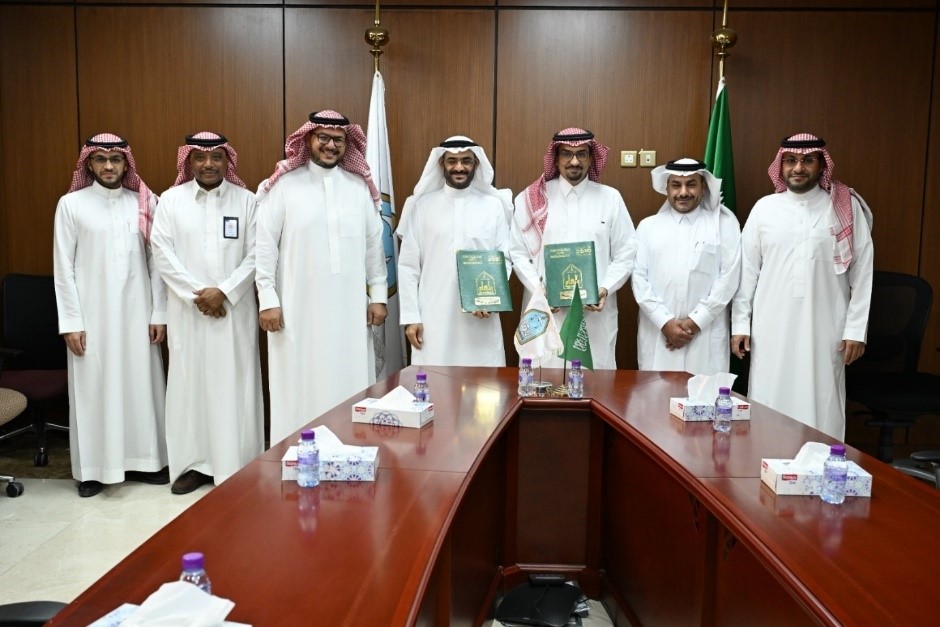
One of the most significant efforts by Imam
Mohammad Ibn Saud Islamic University (IMSIU) was the signing of a Memorandum of
Understanding (MoU) with the National Committee for Labor Committees on 22
April 2024. The MoU was signed on behalf of the university by Dr. Khalid bin
Nasser Al-Shuwairikh, Dean of the College of Business, and on behalf of the
Committee by Eng. Nasser bin Abdulaziz Al-Juraid, Chairman of the National
Committee for Labor Committees in the Kingdom of Saudi Arabia.
The purpose of this MoU is to reinforce
IMSIU’s role as a leading educational institution in studies and research
related to labor issues, thereby supporting the Committee’s mission to promote
workers’ rights and labor unions.
The MoU includes several
key areas aligned with the SDG 8 indicators on Decent Work and Economic Growth:
- Raising awareness of the Committee’s
programs and services: This reflects IMSIU’s commitment to promoting
awareness of workers’ rights and trade unions, in line with the indicators
on union recognition and labor rights in employment practices.
- Promoting labor awareness and culture,
and enhancing fairness and equality among workers: This corresponds to the
indicator on labor rights in employment practices by fostering principles
of justice and equality in the workplace.
- Providing support and consultation on
labor and employment issues: This aligns with the indicator on grievance
and appeal mechanisms in employment practices, by offering mechanisms for
support and consultation in labor-related matters.
- Focusing on best practices, compliance
with labor laws, and improving working conditions: This demonstrates the
university’s commitment to a fair work environment and compliance with
labor legislation, aligning with all employment practice indicators
related to unions, grievance and appeal mechanisms, and workers’ rights.
- The MoU also includes provisions for
joint training programs and workshops to enhance skills and build
capacities, practical training opportunities for students, the development
of field training programs in labor-related areas, and the evaluation of
cooperative training initiatives. It further encourages the exchange of expertise
and information on the impact of academic programs on skills development
and workforce improvement
Formation of Internal Committees:
The university relies on internal committees
designed to protect employee rights and resolve workplace issues, functioning
in a manner similar to traditional unions but in a structured and
institutionalized way.
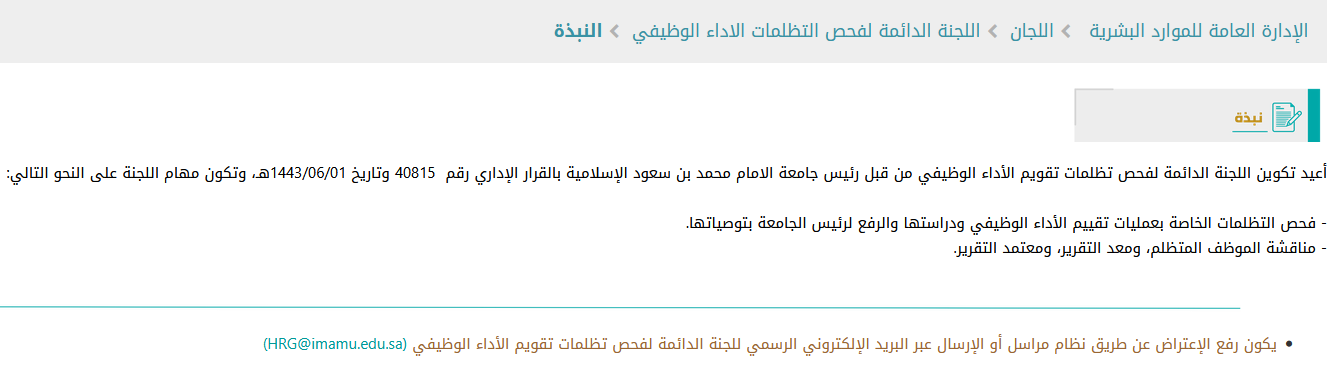
Among the most prominent is the Standing
Committee for Reviewing Employee Performance Grievances, which
addresses staff complaints related to performance evaluations, bonuses, and
promotions. This committee serves as an internal mechanism to safeguard
employees’ rights.
https://units.imamu.edu.sa/administrations/employees/commitee/Examination/Pages/default.aspx
The university explicitly affirms that gender
equality is guaranteed in promotions and bonuses, with no
discrimination between men and women. Furthermore, international
employees are equally covered under these policies, ensuring
fair and inclusive treatment for all.
Right to Grievance for All:
Members of the university community have
the right to file grievances and submit complaints, allowing them to
communicate directly with the University President to present their concerns
without the need to go through committees. This procedure reinforces principles
of transparency and fairness, ensuring that all cases are carefully reviewed,
thereby protecting employee rights and contributing to a more positive work
environment.
Through these measures, the university
demonstrates its commitment to safeguarding the rights of all its members and
emphasizes the importance of equality and fairness in addressing workplace
issues—values that reflect transparency and collaboration within the academic
community.
The university further affirms that all
employees—faculty members and administrative staff, Saudis and non-Saudis, men
and women alike—are entitled to submit grievances directly to the University
President without intermediaries. This reflects the
university’s “open-door policy”, which
promotes justice and transparency.
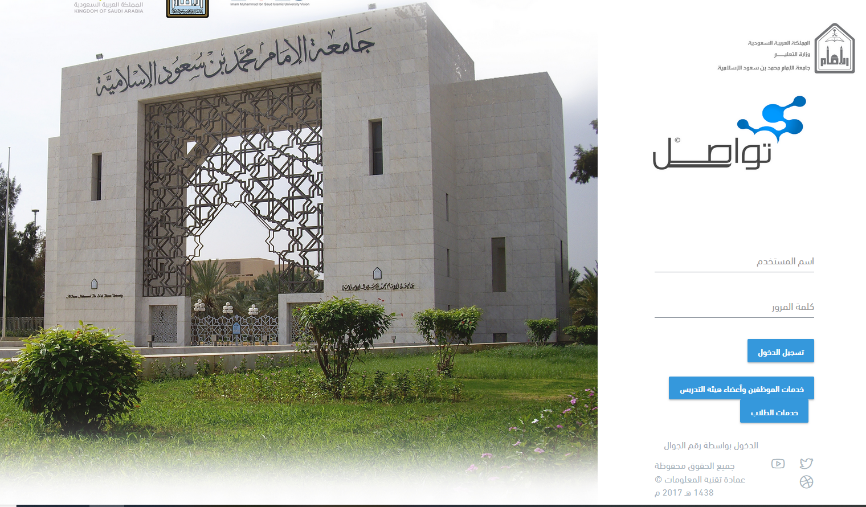
This process is
further facilitated by the Tawasul System , which enables
employees to send their complaints directly to the relevant authority within
the university.
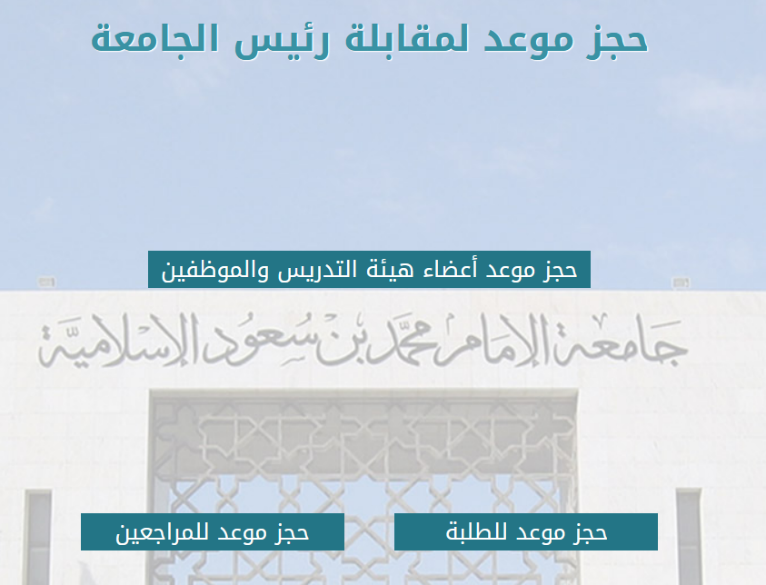
In addition, all members of the university
community may schedule an appointment to meet with the University President
through the following link:
https://imamu.edu.sa/Pages/AppointmentRequest.aspx
1) Regulations Governing Employee Complaints and
Grievances at Imam Mohammad Ibn Saud Islamic University:
https://imamu.edu.sa/Laws/Pages/UCDetails.aspx?rid=204&flag=true
As part of its commitment to fostering a
transparent and fair academic and administrative work environment that respects
the rights of all employees and provides effective channels for voicing
complaints and grievances, Imam Mohammad Ibn Saud Islamic University (IMSIU)
issued, on 2 July 2025, the “Regulations Governing Employee
Complaints and Grievances”. These regulations aim to ensure justice,
promote a rights-based culture, and establish clear and equitable mechanisms
for addressing complaints and grievances in line with objective and fair
standards that protect the rights of all parties involved.
The regulations seek to achieve the following
objectives:
- Regulate the handling of employee
complaints and grievances in accordance with objective and fair standards,
while ensuring efficient and professional resolution procedures.
- Provide clear and well-defined channels
for submitting complaints and grievances related to academic and
administrative matters, with a guarantee of confidentiality and fair
professional treatment.
- Safeguard the rights of all parties
involved.
- Create a fair working environment that
upholds rights and strengthens trust between employees and their
respective university administrations
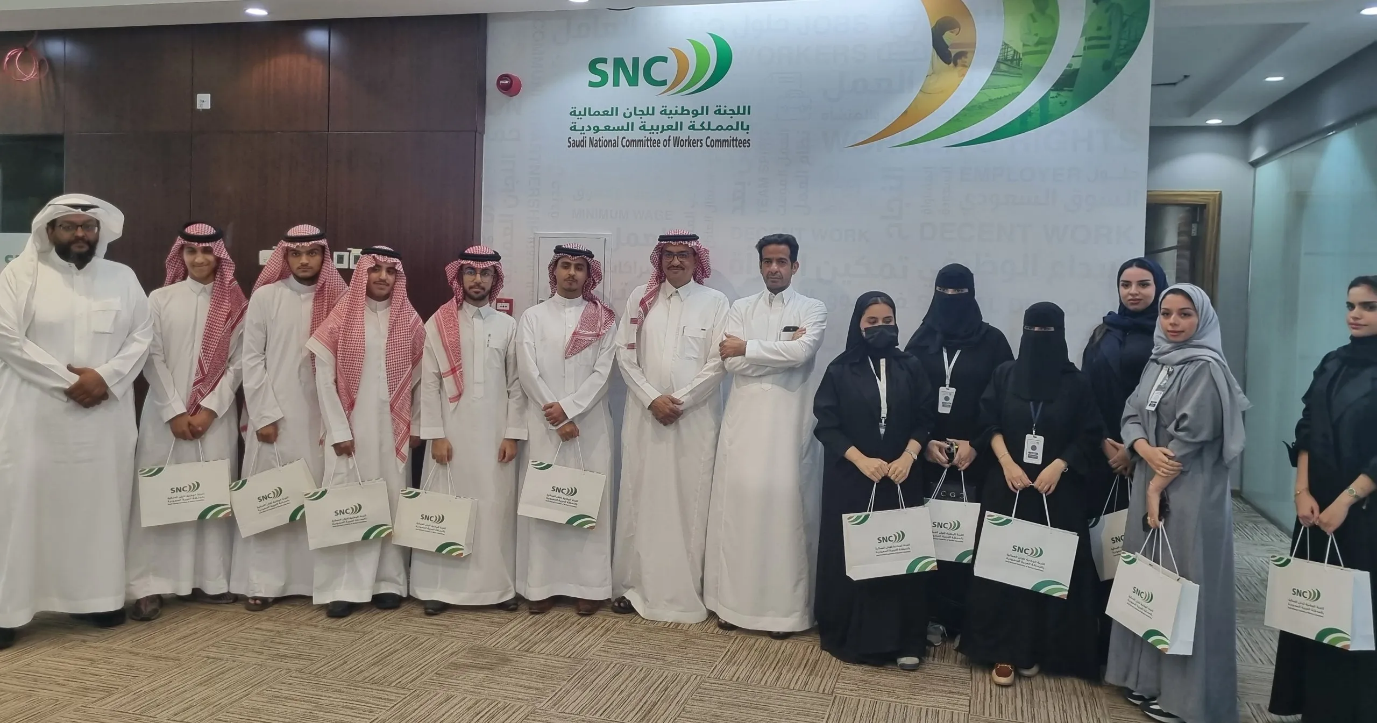
2) Visit of the Media Club, College of Media and
Communication, to the National Committee for Labor Committees:
Media Club Visit to the National Labor
Committees
On 1 September 2024, the National Committee
for Labor Committees received a delegation from the Media Club of the College
of Media and Communication at Imam Mohammad Ibn Saud Islamic University
(IMSIU). The purpose of the visit was to enhance students’ understanding of the
importance of the Committee’s functions, its organizational role within
institutions, and its vital contribution to raising workers’ awareness of their
labor rights.
This visit reflected the university’s commitment
to educating its students on workers’ rights and labor unions, as well as
reinforcing the role of media in promoting awareness of these rights. Such
efforts directly align with the employment practice indicators on union
recognition and workers’ rights under the Sustainable Development Goals
(SDG 8).
4)Patent Filing and Registration Initiative:
https://imamu.edu.sa/news/pages/news_21_8_2024_01.aspx
On 15 June 2023, Imam Mohammad Ibn Saud Islamic University (IMSIU) launched the
“Patent Filing and Registration Program” in both Arabic and English, enabling
electronic application submissions through the Wafi platform.
According to Dr. Khalid bin Abdullah
Al-Muhanna, Supervisor of the Intellectual Property and Technology Transfer
Office, the initiative aims to raise awareness and strengthen intellectual
property rights through introductory workshops, college visits, and the
provision of electronic services that facilitate the registration process.
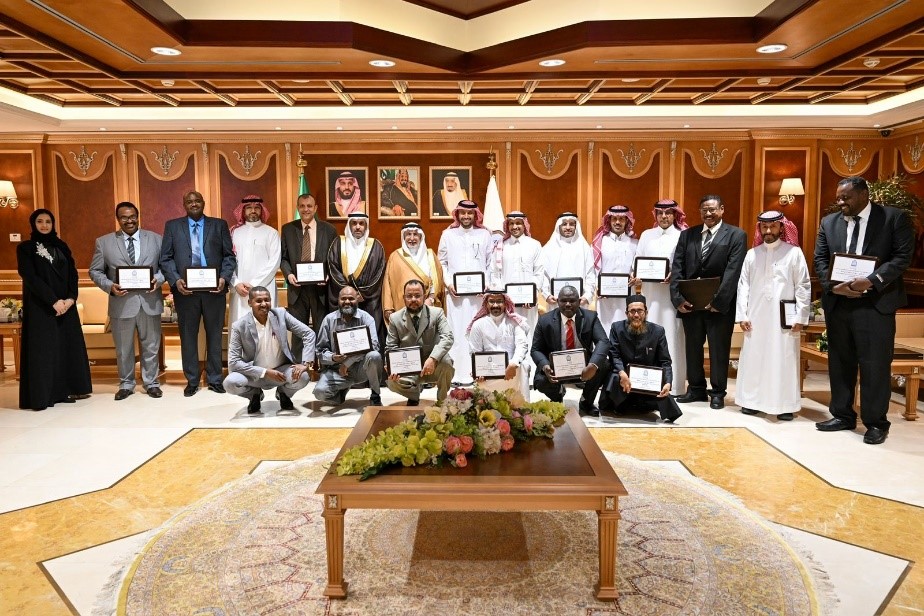
As a result of this initiative, 17 inventors
from IMSIU successfully registered patents with the United States Patent and
Trademark Office (USPTO). They were honored by the University President, Prof.
Dr. Ahmed bin Salem Al-Ameri, on 21 August 2024
This initiative reflects the university’s commitment to protecting
the intellectual property rights of its members and providing an environment
that supports innovation and creativity. It also contributes to strengthening
the rights of university employees and aligns with the employment practice
indicator on grievance and appeal mechanisms under the Sustainable Development
Goals.
- 5) Collaboration with the National Committee for
Labor Committees:
The National Committee for Labor Committees in the Kingdom of Saudi Arabia is the official body responsible for
representing workers and defending their rights. Its objectives encompass
several key areas that align with the indicators of SDG 8 (Decent Work and
Economic Growth):
- Negotiation: Representing company workers, voicing their
concerns, and negotiating on their behalf to ensure that their voices are
heard by management. This corresponds to the employment practice indicator
on collective bargaining.
- Recommendations: Receiving employee suggestions and
complaints, studying them, and submitting recommendations and requests to
management. This aligns with the employment practice indicator on appeals
and grievance mechanisms.
- Labor Rights: Objecting to decisions, procedures, or
amendments that negatively affect workers’ wages, rights, or benefits.
This corresponds to all three employment practice indicators: union
recognition, grievance mechanisms, and workers’ rights.
- Awareness and Labor Culture: Promoting justice and equality among
all workers, in alignment with the employment practice indicators on union
recognition and workers’ rights.
By signing this Memorandum of Understanding
(MoU) with the National Committee for Labor Committees and facilitating mutual
visits, Imam Mohammad Ibn Saud Islamic University (IMSIU) has demonstrated its
strong commitment to supporting workers’ rights, unions, and grievance
mechanisms, thereby contributing directly to the achievement of SDG 8
indicators.
6)
Clarity of the
Procedural Guide on Employee Rights:
https://www.hrsd.gov.sa/sites/default/files/2023-02/Labor.pdf
As a public university, Imam Mohammad Ibn Saud Islamic University
(IMSIU) adheres to all government regulations, including the Labor
Law issued by the Ministry of Human Resources and Social Development,
which clearly outlines workers’ rights.
7)
Labor
Dispute Settlement Authorities:
As a public university, Imam Mohammad Ibn Saud Islamic University
(IMSIU) complies with all government regulations, including the
mechanisms for settling employee disputes through the Qiwa
platform, available at the following link:
https://www.qiwa.sa/en/labor-law/contracts/commissions-settlement-labor-dispute
Labor
disputes may also be resolved amicably through the “Wudi System”, an online
service provided by the Ministry of Human Resources and Social Development for
the amicable settlement of labor disputes:
https://www.hrsd.gov.sa/ministry-services/services/269970
This electronic service enables the amicable settlement process,
which constitutes the first stage in examining labor dispute claims between
employees and employers. During this stage, attempts are made to reconcile
viewpoints and conduct mediation to resolve the conflict and reach a mutually
satisfactory agreement whenever possible. If no agreement is reached, the case
is referred to the Labor Court within 21 working days from the date
of the first session.
Wudi
System for Amicable Settlement of Labor DisputesUniversity
Policies on Workplace Equality and the Elimination of Forced and Exploitative
Labor
Rooted in its institutional mission and steadfast commitment to
Islamic and human values, Imam Mohammad Ibn Saud Islamic University (IMSIU)
places great importance on fostering a fair and equitable work environment,
free from all forms of discrimination based on religion, gender, age, or any
other considerations. The university reaffirms its clear commitment to policies
and practices that safeguard human dignity and prevent all forms of
exploitation, including the prohibition of forced labor, modern slavery, human
trafficking, and child labor. These efforts are aligned with relevant national
and international standards and reinforce the university’s leading role in
protecting workers’ rights and ensuring a balanced academic and administrative
environment that contributes to achieving sustainable development.
Non-Discrimination in the
Workplace:
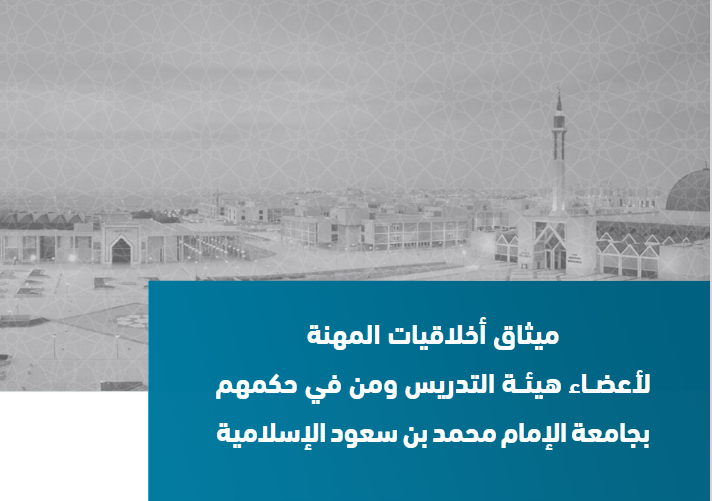
https://units.imamu.edu.sa/vrectorate/HSSRVR/Documents/code_of_ethics.pdf
IMSIU has published a Faculty Code of Ethics, which
implicitly affirms the university’s commitment to the principles of ethical
conduct and equality among all faculty members, including both academic and
administrative staff. The Code also implicitly reflects the principle of
non-discrimination based on religion, gender, or nationality
As a public university, IMSIU adheres to all decisions issued by
the Government of Saudi Arabia, and its employment framework is therefore based
on the Saudi Labor Law
https://laws.boe.gov.sa/BoeLaws/Laws/LawDetails/08381293-6388-48e2-8ad2-a9a700f2aa94/1
The Saudi Labor Law (Royal Decree No. M/46 dated 5/6/1436H)
establishes the principle of equality and non-discrimination in employment. Its
objectives state that: “Citizens are equal with regard to the right to work
without any discrimination based on gender, disability, age, or any other form
of discrimination.” This provision underscores the obligation of
institutions—including public universities—to ensure a fair working environment
based on merit, free from religious, gender, age-related, or other biases.
As evidenced by research published in 2024
https://systems.enpress-publisher.com/index.php/jipd/article/view/7434
the legal and legislative reforms in the Kingdom of Saudi Arabia
have had a significant impact on women’s empowerment and economic growth. This
demonstrates the provision of opportunities and the promotion of
non-discrimination in the workplace
The Qiwa platform provides
comprehensive information on the Saudi Labor Law, including its provisions,
supporting tools, and illustrative examples for employers. The platform also
outlines specific regulations governing the employment of women, with
particular emphasis on safeguarding their health and social rights in the
workplace as well as during maternity.
https://www.qiwa.sa/en/labor-law/contracts/employment-women
Policy Against Forced Labor,
Human Trafficking, and Child Labor:
As a public university, IMSIU complies with all
decisions issued by the Government of Saudi Arabia. Accordingly, its employment
framework adheres to the Anti-Human Trafficking Law of 2022,
which strictly prohibits all forms of exploitation
https://laws.boe.gov.sa/BoeLaws/Laws/LawDetails/4e09c59d-f173-4971-8a38-a9a700f27025/1
This includes provisions such as: “Forced labor or service … begging,
slavery or practices similar to slavery … or organ removal,” where the law
classifies forced labor or threats of forced labor as punishable crimes. It
further specifies that any exploitation of children (under 18 years of age)
within the scope of employment is strictly prohibited and currently punishable
under Saudi law.
The Qiwa platform also provides
detailed information on the Saudi Labor Law, including its provisions, support
tools, and illustrative examples for employers. According to Articles
38 and 39 of the Saudi Labor Law:
https://www.qiwa.sa/en/labor-law/non-saudis/employment-non-saudis
- Employees
are prohibited from working in professions not listed in their work permits
unless formally amended in accordance with legal procedures.
- Employers
are prohibited from assigning employees to professions other than those stated
in their work permits.
- Employees
are not permitted to work for anyone other than their designated employer or
for their own account, and employers are not permitted to allow their employees
to work for other entities or on their own account.
Relevant oversight authorities—namely the Ministry
of Human Resources and Social Development and the Ministry
of Interior—are responsible for inspections, identifying
violations, and applying legal penalties against violators of these provisions.
Furthermore, Articles 161–167 of the Saudi Labor Law
provide explicit regulations to ensure that minors are employed only within
safe and age-appropriate environments, under a clear legal framework that
guarantees their rights and protects their well-being.
https://www.qiwa.sa/en/labor-law/working-hours-holidays/employment-minors
As outlined in the following official guide,
which IMSIU adheres to, important information is provided regarding the crime
of human trafficking. The Saudi legal definition
of this crime includes: the recruitment, transportation, transfer, harbouring,
or receipt of a person for the purpose of exploitation.
The guide, issued by the Ministry of Human
Resources and Social Development, further emphasizes that human trafficking
ranks second globally among organized crimes in terms of revenue,
following drug trafficking and preceding arms trafficking, generating enormous
profits estimated in the billions of dollars Anti-Human
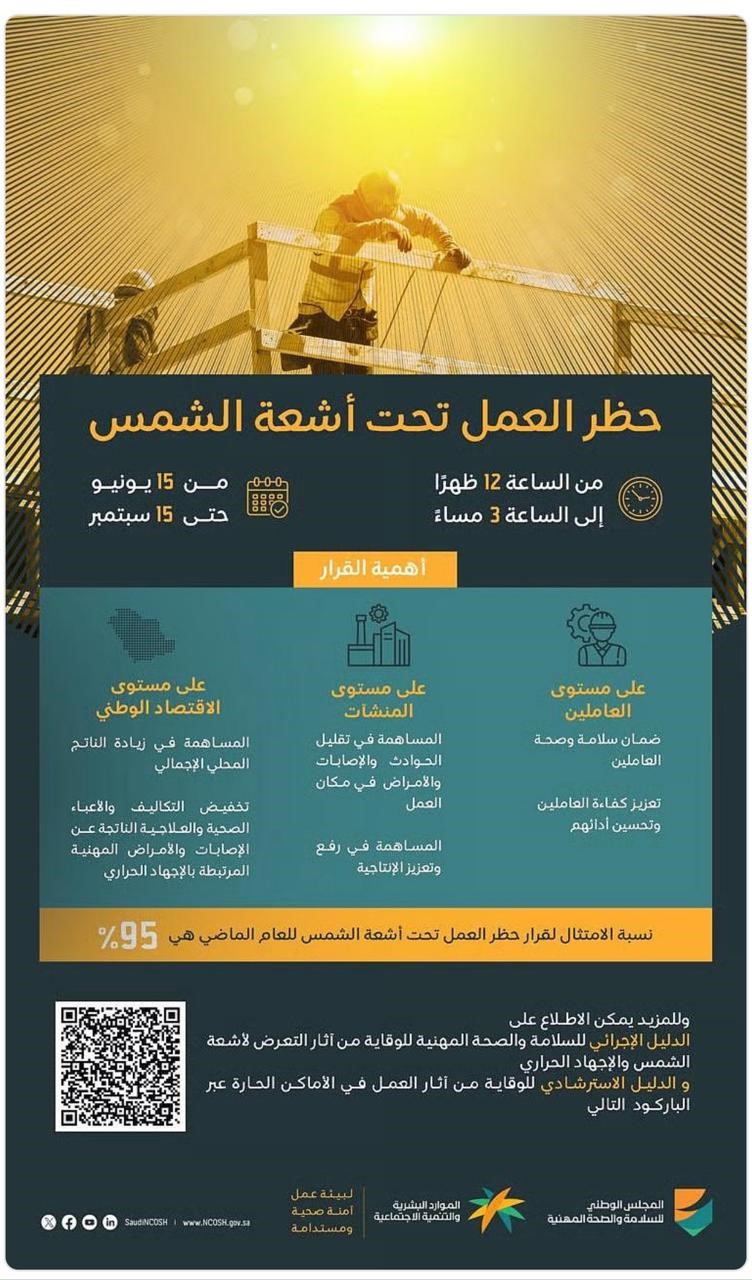
Trafficking DepartmentThe decision to prohibit outdoor work under direct sunlight came into effect on 15 June 2025, and IMSIU fully complies with
this regulation, particularly with regard to its workers engaged in ongoing
university construction projects, In line with its commitment to safeguarding
the health and safety of workers, IMSIU ensures protection from potential
health risks by providing a safe and healthy work environment in accordance
with international occupational safety and health standards. The university
also rejects all forms of servitude and forced labor, thereby preserving the
health and dignity of its workforce.
Accordingly, the Saudi legal framework has established clear
provisions to combat discrimination and ensure equal employment opportunities.
In addition, strong legislative tools are in place to fight forced labor and
human trafficking, including the imposition of strict penalties. Public
institutions such as IMSIU are required to fully comply with these regulations,
thereby ensuring a workplace free from discrimination and exploitation. These
laws provide the legal foundation for IMSIU and other national institutions to
implement formal, structured, and comprehensive policies that foster a humane
work environment and strengthen workers’ rights
Ensuring
Equivalent Workers’ Rights in Third-Party Outsourcing
Imam Mohammad Ibn Saud Islamic University (IMSIU) places special
importance on safeguarding workers’ rights across all its activities, including
those outsourced to third parties. The university adopts clear policies that
ensure equality and fairness for employees working with contracted entities and
obliges these entities to comply with the same standards applied within the
university. This approach strengthens labor rights and guarantees a fair and
sustainable work environment.
Guaranteeing Workers’ Rights in
Outsourced Activities:
As a public university, IMSIU
fully complies with all regulations and decisions issued by the Government of
Saudi Arabia. Accordingly, the university follows the below frameworks to
ensure that workers engaged through outsourcing arrangements enjoy fair and
equitable treatment:
- Executive Regulations for Human Resources in
Civil Service:
These regulations stipulate the guarantee of employees’ rights and their fair
and equitable treatment without discrimination, including in
cases of outsourcing within government entities. They obligate government
institutions, including universities, to supervise contracted workers and
ensure that contractors comply with employees’ rights, wages, and benefits.
Executive Regulations for Human Resources in Civil Service
This resolution
governs the licensing of companies that provide temporary workers to public and
private entities and establishes strict standards to protect workers’ rights (wages, rest periods, insurance, and transfers
when activities are reassigned). It requires government bodies—including
IMSIU—to contract only with licensed companies to ensure full compliance with
labor rights.
Regulatory Frameworks for the Executive Regulations of Human
Resources
- Regulatory
Framework for the Executive Regulations of Human Resources:
https://www.hrsd.gov.sa/knowledge-centre/decisions-and-regulations/ministerial-decisions/1171581
These frameworks further clarify the mechanisms
through which outsourcing arrangements are monitored and regulated to safeguard
worker rights.
https://www.hrsd.gov.sa/sites/default/files/2023-02/75506.pdf
- Amendments
to the Saudi Labor Law:
The amendments expanded the definition of
outsourcing and included mechanisms for supervising outsourced workers and
preventing violations of their rights (e.g., delayed wages, lack of insurance,
or unauthorized transfer of employment). This serves as a legal foundation
enabling government institutions to regulate service providers and ensure the
protection of outsourced workers’ rights.
Saudi Labor Law
From the above, it is evident that government
entities—including the Ministry of Human Resources and Social Development
(MHRSD) and consequently IMSIU—adopt a clear legislative framework and
regulatory practices to ensure the protection of workers engaged through
outsourcing. These rights include:
- Fair and timely wages.
- Safe working conditions.
- Health and social insurance.
- Mechanisms for transferring workers in the
event of service reassignment.
These government frameworks are applied
through strict compliance by public institutions—including IMSIU—by contracting
exclusively with licensed companies and adhering to the terms outlined in
licenses and agreements, in line with amendments made in 2023–2024 to
ensure fairness, transparency, and the protection of workers’ rights.