Executive Summary:
The Kingdom of Saudi Arabia’s Vision 2030 aspires to achieve the
first of the United Nations Sustainable Development Goals (SDG 1): the
eradication of poverty in all its forms everywhere. This is pursued through a comprehensive
and integrated approach that treats poverty not merely as an economic issue,
but as a multidimensional challenge requiring coordinated interventions in
education, social welfare, economic empowerment, and regional development.
The Vision emphasizes social justice and the empowerment of
underprivileged populations to live with dignity. This is pursued through a
wide range of structural reforms and programs designed to enhance living
standards and expand access to essential services. Key initiatives include the
restructuring of social support programs to ensure effective targeting, the
empowerment of low-income groups through support for small and medium-sized
enterprises (SMEs) and freelance work opportunities, and the expansion of
educational and vocational training to equip individuals for efficient and
independent participation in the labor market.
Moreover, Vision 2030 promotes balanced regional development
by improving infrastructure, and by providing healthcare, education, and
housing services across all areas of the Kingdom, thereby reducing geographical
and economic disparities. The Kingdom also strengthens the role of the
non-profit sector in social care delivery by supporting charitable
organizations and enabling them to effectively contribute to the protection and
empowerment of vulnerable groups.
Through these integrated efforts, Saudi Arabia affirms its
commitment to inclusive and equitable sustainable development aimed at
eradicating poverty and promoting long-term social stability, in alignment with
both Vision 2030 and the United Nations 2030 Agenda for Sustainable
Development.
In alignment with this national vision, Imam Mohammad Ibn Saud
Islamic University plays an active role in supporting the eradication of
poverty. The University offers free undergraduate education and has launched
several tuition-free graduate programs in selected disciplines. These efforts
reflect the institution’s commitment to expanding access to education for all
segments of society, particularly students from low-income backgrounds. Such
initiatives are part of the University’s broader mission to promote educational
equity and support social and economic development.
Imam Mohammad Ibn Saud Islamic University contributes directly to
SDG 1 by implementing a wide range of programs and initiatives aimed at
alleviating poverty and improving the economic and social conditions of both
its students and the wider community. Through a strategic integration of
education, training, and community engagement, the University plays a pivotal
and multifaceted role in combating poverty.
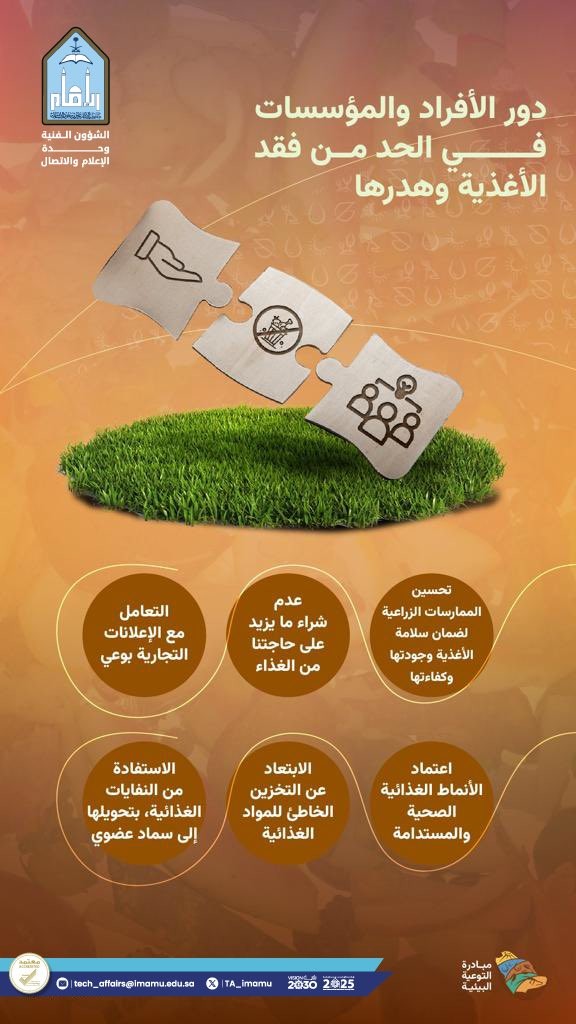
Joint
Workshop: Together to Reduce Food Loss and Waste – A National Initiative in
Collaboration with Imam Mohammad Ibn Saud Islamic University

As
part of its ongoing efforts to achieve the Sustainable Development
Goals—particularly Goal 1 (No Poverty) and Goal 2 (Zero Hunger)—Imam Mohammad
Ibn Saud Islamic University participated in a pioneering national initiative
titled *“Reducing
Food Loss and Waste.”* In collaboration with the university, the Saudi
Grains Organization organized a workshop under the theme “Together to Reduce
Loss and Waste,” aimed at raising public awareness about food waste and
promoting positive behavior related to responsible consumption.
The
workshop was held at the university campus and was attended by a number of
experts, academics, and students. It highlighted the scale of food loss and
waste in the Kingdom, its adverse effects on food and economic security, and
the importance of redirecting surplus food to needy populations rather than
discarding it. The event encouraged student-led volunteer initiatives that
contribute to reducing waste and reallocating resources to support low-income
families.
This
partnership serves as a powerful example of collaboration between higher
education institutions and national agencies and affirms the university’s
commitment to supporting national policies related to food security and poverty
reduction. It also reflects the university’s environmental and social
awareness.
The Charitable Education Fund for
Scholarship Students: Promoting Educational Equity at the International Level
In a
move that reflects Imam Mohammad Ibn Saud Islamic University’s commitment to
its global humanitarian role, the university established the *Charitable Educational Fund for
Scholarship Students* as a key instrument to empower students from
low-income countries to access quality higher education in the Kingdom. The
fund was established pursuant to the Council of Ministers Resolution No. 94
dated 29/03/1431 AH, which permits the creation of charitable funds within
educational institutions to support
scholarship programs.
The
fund aims to provide comprehensive financial support for non-Saudi scholarship
students, covering admission fees, tuition, housing, monthly stipends,
healthcare, and additional educational and social assistance. It is managed
through an independent administrative structure that includes a Board of
Directors and an Advisory Council, responsible for setting strategic policies
and attracting resources from donations, endowments, and bequests.
The
fund is a leading model in enabling scholarship students to serve as agents of
development in their home countries post-graduation. Its role extends beyond
financial aid to include psychological and social support, vocational training,
and academic mentoring. Through this initiative, the university has hosted
thousands of students from across the Islamic world and provided them with a
supportive and equitable academic environment—preparing them to return to their
countries equipped with knowledge, skills, and moderate Islamic values to serve
as ambassadors of the university and of Saudi Arabia in their communities.
Executive Regulation to Support the
Admission of Students from the Lowest 20% of Household Income Groups at Imam
Mohammad Ibn Saud Islamic University
The
university issued an executive
regulation to facilitate the admission of students belonging to the lowest
20% of household income brackets, in accordance with the decision of the
Council of University Affairs No. (11/4/1443 AH). This regulation affirms the
university’s commitment to promoting equitable access to higher education and
supporting social inclusion. It includes direct financial assistance (such as
monthly stipends and emergency aid) and in-kind support (such as laptops,
learning materials, and subsidized meals). These students are also granted
priority access to university housing.
It
is worth noting that undergraduate education at the university is entirely free
of charge. Additionally, the university has launched tuition-free graduate
programs in select disciplines, thereby expanding access to high-quality
education without financial barriers. This support is aligned with the
university’s strategic objective of empowering and graduating students from the
lowest 20% income groups, thereby breaking the cycle of poverty and enabling
socioeconomic advancement.
This
regulation targets students benefiting from social security programs, orphans,
and those whose income falls below a defined threshold. Application procedures
are supervised by the Deanship of Student Affairs through both online and
in-person channels, and applications are reviewed by a specialized committee
based on official documentation. Periodic reviews are conducted to ensure
continued eligibility, in cooperation with the Ministry of Human Resources and
Social Development and the *Takaful* Foundation. Student
Rights.
Participation of Imam Mohammad Ibn
Saud Islamic University in the Forum of Alumni from Saudi Universities in the
Balkans
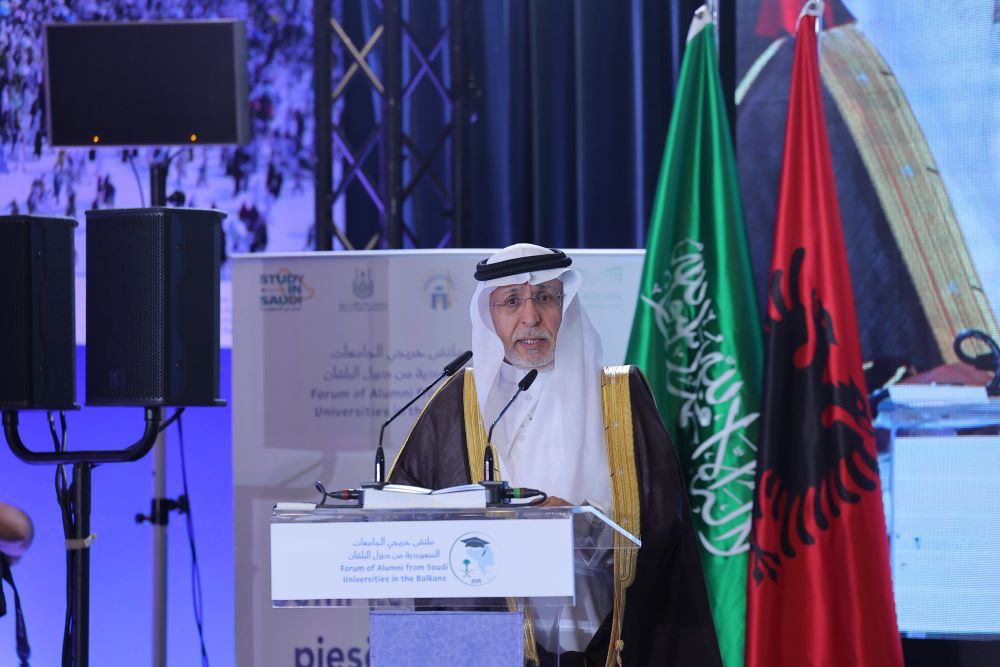
In
collaboration with Umm Al-Qura
University and the Islamic University in Madinah, Imam Mohammad Ibn Saud
Islamic University co-hosted the first *Forum
of Alumni from Saudi Universities in the Balkans*, held in Tirana, Albania,
from July 7 to 9, 2025. The forum witnessed broad participation from alumni of
Saudi universities residing in the Balkans, as well as academic experts and
government officials, including the Saudi Ambassador to Albania, the Director
of the Albanian Ministry of Education and Sports, and the university’s senior
leadership and faculty.
Objectives and Activities of the Forum:
- Strengthen academic and cultural
ties between Saudi alumni and local communities in the Balkans.
- Showcase Imam Mohammad Ibn Saud
Islamic University’s experience in attracting international students and
exchanging academic expertise, including through sessions led by the Vice
President for Educational Affairs, Dr. Abdullah bin Abdulrahman Al-Asmar.
- Promote Saudi and Islamic values
such as moderation, tolerance, and charitable work, empowering alumni to serve
as cultural ambassadors in their regions.
- Advocate for greater international
cooperation and the building of educational and cultural bridges between the
Kingdom and Balkan countries.
Significance of the Event:
- This was the first forum of its kind
in the Balkans and the tenth globally.
- It demonstrated the university’s
commitment to Saudi Arabia’s national transformation agenda, particularly in
advancing the international dimension of Saudi higher education in line with
Vision 2030.
Student Employment Program at Imam
Mohammad Ibn Saud Islamic University
The student
employment program at Imam Mohammad Ibn Saud Islamic University is designed
to achieve a set of integrated objectives that combine social, educational, and
professional dimensions. On one hand, it provides financial support to
students—particularly those from low-income families—by offering on-campus job
opportunities that help cover part of their expenses without compromising their
academic progress.
On
the other hand, the program serves as an effective tool for personal
development, equipping students with essential practical skills such as
discipline, time management, and effective communication, thereby preparing
them to enter the labor market with confidence and competence.
Furthermore,
the program enhances students’ sense of belonging to the university by engaging
them in various administrative and academic units, fostering a culture of
initiative, responsibility, and self-reliance.
Student employment also supports the university’s commitment to the
Sustainable Development Goals (SDGs), particularly in combating poverty and
promoting inclusive and equitable education. By creating a supportive and
empowering environment, the program helps students persist and excel in their
studies, reducing the risk of dropout due to financial hardship.
Student
Support Programs for Students from the Lowest 20% Household Income Brackets at
Imam Mohammad Ibn Saud Islamic University
Imam Mohammad Ibn Saud Islamic University seeks to
empower students from low-income backgrounds to successfully complete their
academic journey by offering a comprehensive package of programs and services
aimed at easing financial burdens and providing an integrated learning
environment. These initiatives are designed to help students graduate with
distinction and readiness to contribute to community development. The programs
include:
1. Food Support Program
The Food Services Administration at Imam Mohammad Ibn
Saud Islamic University is a key pillar of student well-being. It is responsible for providing healthy, balanced meals to students,
directly contributing to improved quality of campus life and supporting the
Sustainable Development Goals, particularly SDG 1 (No Poverty) and SDG 2 (Zero
Hunger).
This unit, affiliated with the Deanship of Student
Affairs, oversees student housing restaurants, including the implementation and
monitoring of catering contracts and the enforcement of quality and food safety
standards. Responsibilities include preparing specifications, financial and
technical supervision of contract execution, and daily operational oversight of
dining services. It also monitors compliance and issues regular reports.
The department plays a major role in preparing the
annual budget estimates for catering and ensuring accurate disbursement of
contractor payments through its accounting division, which also compiles
statistics on the number of beneficiaries. This ensures efficient distribution
and waste reduction.
The Restaurant Supervision Division carries out
various inspections, including the examination of supplied food items,
inventory monitoring, hygiene of workers, pre-cooking inspections, direct
supervision of meal preparation and distribution, and maintenance of kitchen
equipment. The team ensures the continuous provision of safe, diverse meals
that meet student needs.
This institutional integration—combining
administration, on-site supervision, and financial oversight—achieves dual
objectives: supporting low-income students with high-quality subsidized meals
while minimizing resource waste. It serves as a practical model for campus food
security and reducing economic disparity among students.
The university also provides subsidized meals in
on-campus restaurants and offers meal support cards for financially
disadvantaged students. Free Iftar and Suhoor meals are provided during Ramadan in student housing.
2. The Student Welfare Fund: A Structured Mechanism to
Support Students in the Lowest 20% Income Bracket
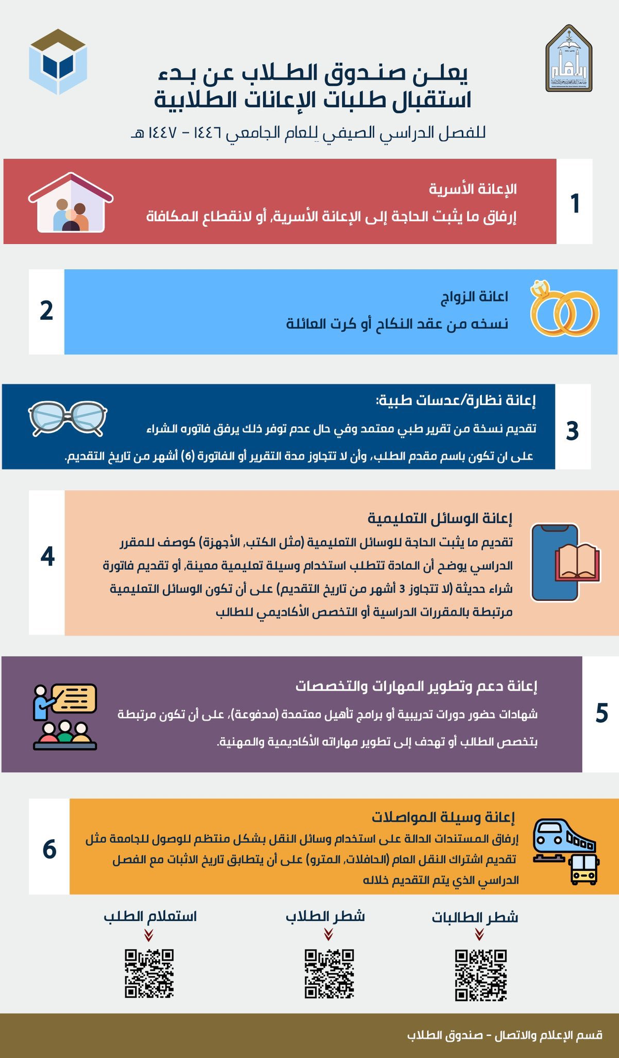
The Student Welfare Fund at Imam Mohammad Ibn Saud Islamic
University is one of the university’s leading institutional mechanisms for
delivering financial and social support to students in need. It promotes the
values of solidarity and social justice and ensures that students can pursue
their academic goals regardless of financial hardship.
The fund was established by the university’s Supreme
Council during the 1397/1398 academic year in response to the growing need for
a dedicated body to assist students facing difficult social and economic
circumstances or unexpected crises. According to its founding resolution, the
fund is financed through student contributions and donations, without imposing
any burden on the university's core budget.
The fund provides various types of support, including:
- Emergency financial aid for students facing unexpected
economic crises.
- Regular financial assistance for students with chronic
financial need.
- Coverage for essential academic supplies in urgent
cases.
- In-kind support such as food, clothing, and
transportation in specific cases.
- Payment of certain non-governmental fees or financial
obligations.
Student contributions were later revised to increase
funding: from SAR 2 to SAR 10 for university students, and from SAR 2 to SAR 5
for students in Sharia institutes—expanding the fund’s capacity and reach.
This fund reflects the university’s humanitarian and
developmental role in supporting underprivileged students. It plays an
essential role in poverty alleviation within the academic environment and
ensures a stable, inclusive educational atmosphere that enables students to
succeed without financial barriers.
3. On-Campus Housing Services:
Comprehensive Living Support for Low-Income Students
https://units.imamu.edu.sa/deanships/sa/profile/OrganizationalUnits/Pages/Housing.aspx
https://youtu.be/iLZG8bb34EU
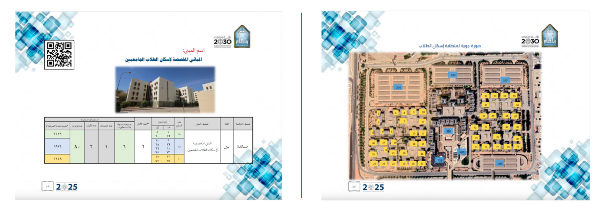
The university's on-campus housing services are among its most important
support mechanisms, particularly for students from low-income households. The
university offers free or low-cost accommodations based on the student’s
economic and social status, with priority given to those from remote regions or
underprivileged families.
University housing provides an integrated educational,
healthy, and secure environment, including furnished rooms, internet service,
study halls, and round-the-clock health and social care. The facilities are
managed by a specialized administrative team that ensures service quality and
student safety.
The Deanship of Student Affairs also organizes annual
orientation sessions for new students and housing residents to familiarize them
with their rights, available services, and housing regulations. The housing
program encourages student engagement through cultural, recreational, and
athletic events that foster a sense of belonging.
Housing services are governed by officially approved
administrative regulations published on the university’s legal platform,
detailing the housing process, responsibilities, complaint procedures, and
student obligations.
Through this comprehensive approach, the university
plays a key role in promoting educational equity and easing the economic burden
on eligible students, thereby supporting a stable and motivating learning
environment aligned with the goal of poverty reduction.
4. University Transportation Services: Enhancing
Access and Equal Opportunity
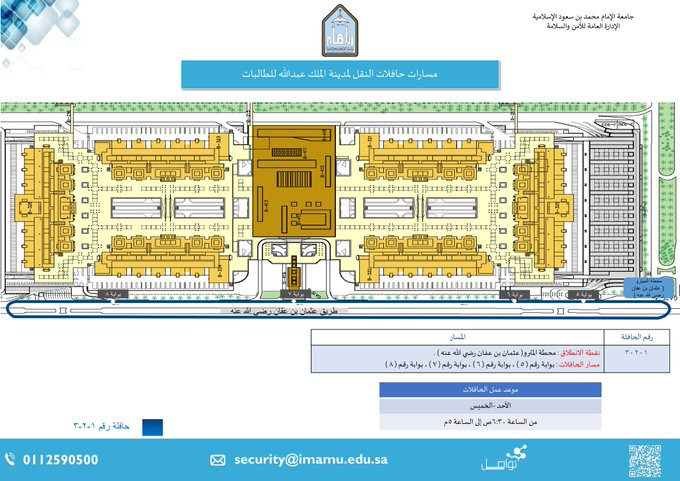
As part of its commitment to an inclusive educational
environment, the university offers free transportation services for students across campus facilities, housing areas, and academic
buildings. The service primarily benefits students facing financial hardship or
those who reside far from their faculties.
Transportation services help reduce students' daily
expenses—especially for those from low-income families—and support their
consistent attendance and academic engagement. By eliminating logistical
barriers to education, the university ensures that all students, regardless of
socioeconomic background, have equitable access to learning opportunities.
The Deanship of Student Affairs oversees this service
and continuously works to improve transportation routes and schedules based on
student needs and academic timetables. Safety and quality standards are
strictly observed.
This initiative represents a practical application of
the university’s commitment to SDG 1 (No Poverty) and SDG 4 (Quality
Education), by removing obstacles that could hinder students’ academic
performance.
5. Financial and In-Kind Assistance: Empowering
Students and Addressing Economic Challenges
The university places significant emphasis on
supporting financially disadvantaged students through a comprehensive system of
direct financial aid and in-kind support, administered by the Deanship of Student Affairs.
Forms of financial aid include:
- Monthly allowances for eligible students, based on detailed
social assessments by specialized committees.
- Emergency aid for students facing sudden or
exceptional hardships.
- Non-repayable grants, with transparent eligibility and
disbursement procedures.
- In-kind assistance includes:
- Laptops and essential academic supplies (e.g.,
books, learning tools).
- Free or subsidized meals.
- Other forms of logistical support to promote academic
success.
This support system is part of the university’s
broader student welfare policy and reflects its commitment to educational
equity and academic retention, particularly for students from financially
vulnerable backgrounds. These efforts are in line with Vision 2030 and SDGs 1
and 4.
Additional financial aid includes:
- Monthly stipends for scholarship students, including
SAR 1,000 for scientific majors and SAR 850 for humanities.
- Special allowances for students with disabilities and
academic achievers to foster excellence and inclusion.
- In-Kind Assistance Categories Provided through the
Student Welfare Fund
- Eyeglasses Assistance: Up to 75% reimbursement, with a
valid medical prescription and purchase receipt dated within six months.
- Traffic Accident Support: Financial compensation upon
submission of official documentation of the incident.
- Marriage Grant: Financial aid for students preparing
to marry, upon submission of marriage contract and family ID.
- Family Hardship Support: For students facing
family-related difficulties such as the death of a parent, divorce, or chronic
illness, with a case study by a social worker.
General Conditions for Support:
To be eligible for assistance, the student must be
actively enrolled and must submit all required documentation. All forms of aid
provided are non-repayable, and disbursement takes place upon the completion of
official procedures—although no fixed timeline is guaranteed. Students who meet
the criteria may apply for more than one type of aid.
The application process is conducted through official
QR codes or designated online forms. Applicants may also check the status of
their requests via specific QR codes assigned for tracking purposes. Notably,
final-year students are also eligible to apply for support. Supervising
Entity: Applications and verifications are managed by the Student Fund
Communication Unit.
Supporting
the Establishment of Sustainable Startups in the Local Community
Imam Mohammad Ibn Saud Islamic University provides
comprehensive and practical support to the local community in establishing
sustainable startups. This is achieved through a range of educational,
training, and advisory initiatives that aim to empower entrepreneurs and foster
a culture of sustainable innovation.
Key Support Mechanisms Provided by the
University
1. Imam Cloud Accelerator Program
The Imam Cloud Accelerator is an
entrepreneurial program launched by the university in partnership with the General Authority for Small and Medium Enterprises
(Monsha’at)
Program features include:
- A business accelerator targeting students, graduates,
and local entrepreneurs.
- Provision of mentorship, training workshops, and
co-working spaces.
A strong focus on transforming entrepreneurial ideas
into scalable and growth-oriented businesses, including environmental and
social ventures. Innovation Center Events، Graduation
of Incubator Projects
2. Access
to University Facilities for Startup Incubation
Through the Deanship of Innovation and Entrepreneurship, the
university provides access to essential infrastructure that supports the growth
of startups. This includes fully equipped office spaces, dedicated training
halls, technical and advisory support, as well as meeting rooms all
designed to facilitate the development and sustainability of entrepreneurial
ventures.
These facilities are utilized to support startups operating in key
sustainability-focused sectors, including waste recycling, smart applications
for water and energy conservation, and sustainable agriculture projects.
3. Community-Based Open
Workshops
The university regularly organizes public workshops in
collaboration with entities such as:
- Riyadh Chamber of Commerce
- Monsha’at
- These workshops focus on:
- Women’s empowerment
- Support for productive families
- Promoting awareness of green entrepreneurship
4. Strategic Agreements with Startup Support Entities
The university has signed strategic cooperation
agreements to support community and student startups. One notable example is
its agreement with Marketing Club Co.،
which aims to:
- Empower and support student and community-based
projects
- Create market linkages and enhance visibility for
social enterprises
5. Strategic Plan 2021–2025: Focus on Impact-Driven
Innovation
The university’s Strategic Plan (2021–2025) explicitly supports innovation
and entrepreneurship with social and environmental impact. It emphasizes the
university’s role in:
- Empowering marginalized and underserved groups
- Promoting educational and entrepreneurial projects
that contribute to inclusive and sustainable development
The
University’s Role in Policy Participation and Development for Poverty Reduction
1. Scientific Research and Research Institutions
Imam Mohammad Ibn Saud Islamic University hosts the Prince
Mohammad Bin Fahd Research Chair for Volunteering Work Studies, which
produces high-quality research that informs national policymaking in areas such
as social protection and charitable work.
Additionally, the university oversees several research
chairs in fields such as orphan care, endowments, and philanthropy producing applied recommendations relevant to
developmental and social policy.
2. Advisory Roles in Government Policy and Regulation
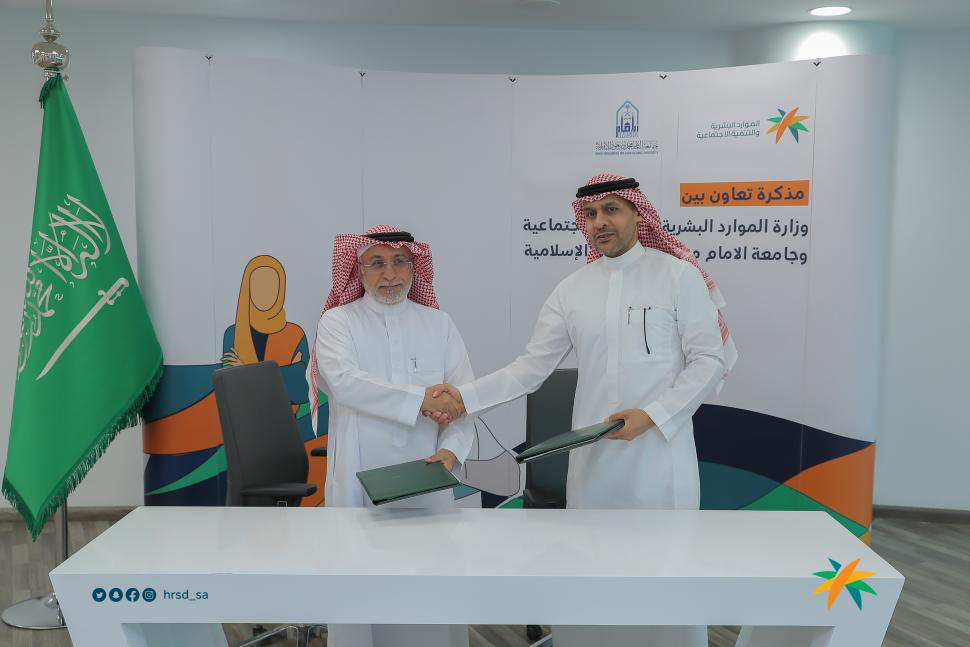
University faculty members frequently serve as
chartered consultants for ministries such as the Ministry of Human Resources and Social Development (HRSD), contributing to the review and development of social protection and
welfare regulations. These contributions are closely aligned with research
outputs from the colleges of Social Work and Sharia.
For example, on September 4, 2022 (8 Safar 1444 AH),
the Ministry signed a strategic memorandum of understanding (MoU) with
Imam Mohammad Ibn Saud Islamic University. The agreement included:
- Joint implementation of initiatives targeting social
security beneficiaries.
- Organization of forums, conferences, and training
programs in support of capacity development.
- Establishment of a joint task force to support
beneficiaries in continuing their education.
- Support for applied scientific research that
contributes to modernizing social policies such as the Social Protection
Strategy and activation of the Social Fund.
3. Prince Naif Institute for Research and Consulting
Services: Supporting Evidence-Based Policy
1-Institutional Role and Identity
The Prince Naif Institute is a core research and advisory arm of
Imam Mohammad Ibn Saud Islamic University. It provides evidence-based
consulting and applied research services to government and private sector
organizations, with a special focus on policies related to social justice and
community welfare.
2-Policy Research and Recommendations
The Institute conducts specialized research in social development, national development plans, and support for
vulnerable families and communities. It prepares strategic consulting projects
that inform policy proposals and legislative reforms.
3-Institutional Training and Capacity Development
The Institute offers training programs and develops custom educational toolkits
to build capacity among government employees and administrators. Training
topics include policy design, institutional governance, and public sector
quality and transparency standards.
4-Collaboration with Government Agencies
Activities include:
- Organizing training programs for government employees
preparing for international scholarships.
- Leading forums focused on the formulation and
implementation of national strategies, such as mental health programs in
cooperation with the Ministry of Health.
5. National Conferences and Policy Workshops
The university regularly organizes national
conferences and workshops on social development, poverty alleviation, orphan
and women empowerment. These events bring together decision-makers and national
stakeholders to develop policy recommendations submitted to executive agencies.
Participation
in the 5th Arab Conference on Higher Education and Sustainable Development
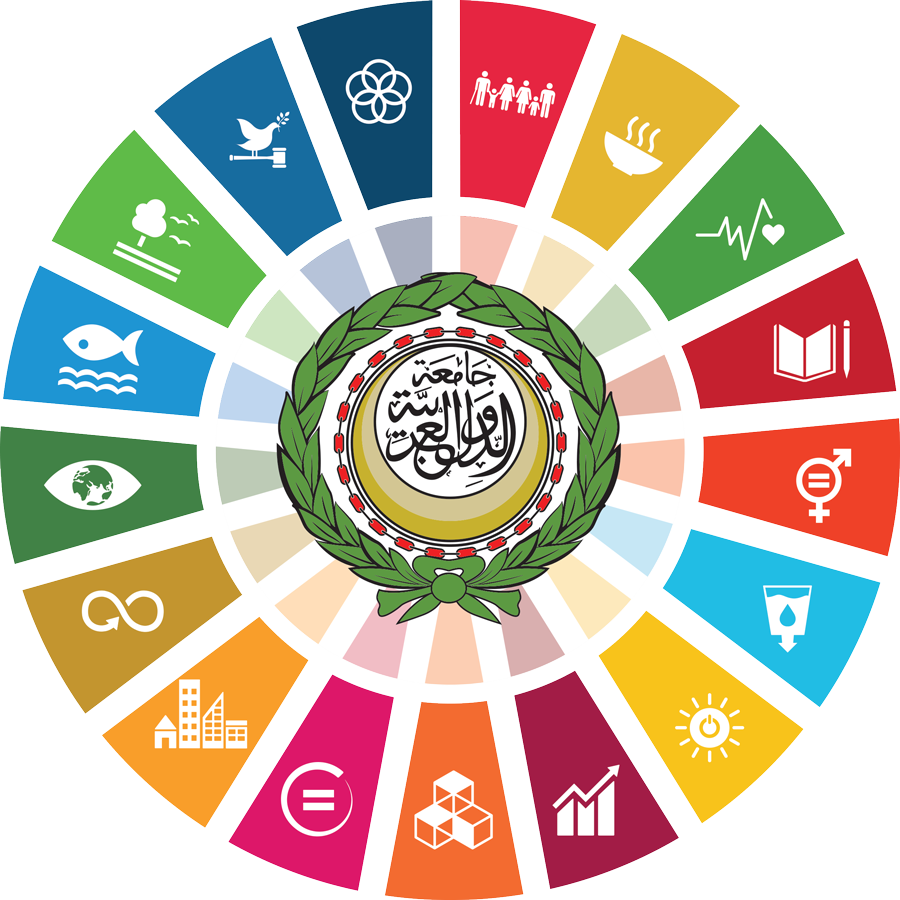
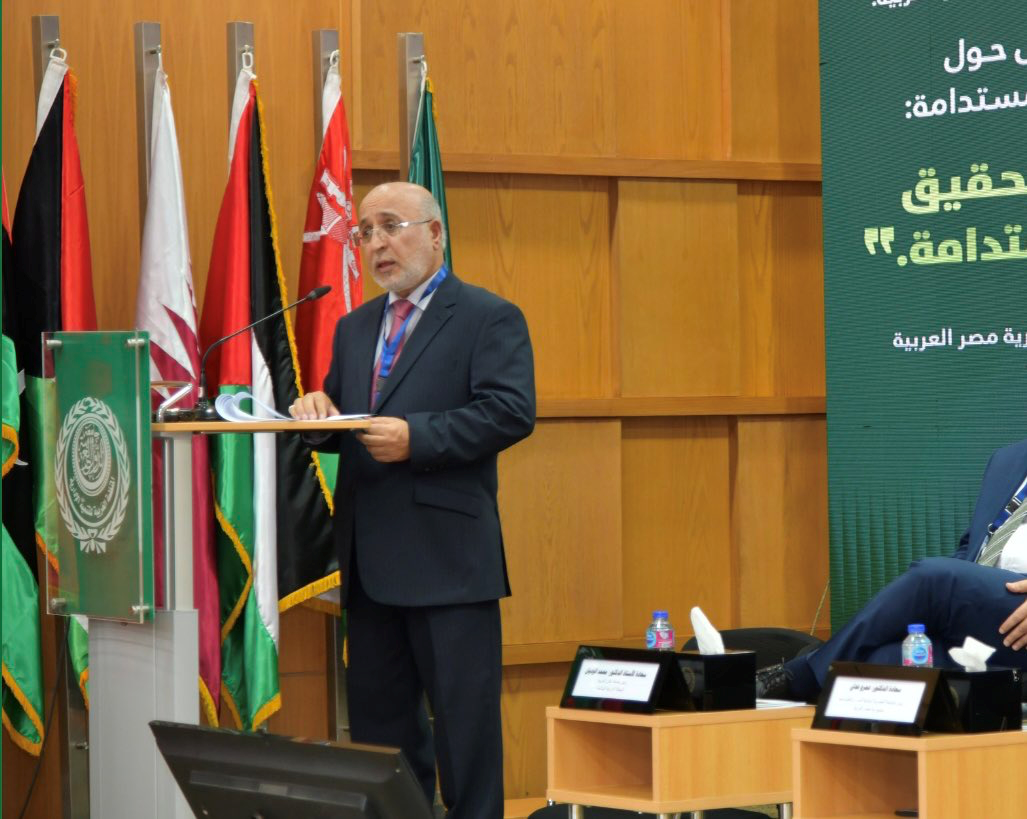
Participation of Professor Dr. Ahmed bin Salem
Al-Ameri, President of Imam Mohammad Ibn Saud Islamic University, in the Fifth Arab Conference on Higher Education and Sustainable
Development
His Excellency Professor Dr. Ahmed bin Salem Al-Ameri,
President of Imam Mohammad Ibn Saud Islamic University, participated in the
Fifth Arab Conference on Higher Education and Sustainable Development, where he
presented a working paper emphasizing that sustainable development is a
comprehensive human and academic issue with cultural, social, and economic
dimensions. He stressed the importance of unifying academic efforts and
strengthening scientific partnerships to achieve lasting developmental impact.
He further highlighted that universities play a
foundational role in the implementation of the Sustainable Development Goals
(SDGs) through their intellectual resources, academic programs, and community
initiatives. Achieving these goals, he explained, requires building strategic
relationships with regional and international universities and promoting the
exchange of knowledge and expertise to serve shared interests.
Professor Al-Ameri affirmed that Imam Mohammad Ibn
Saud Islamic University has aligned its vision and mission with the objectives
of Saudi Vision 2030 through its Strategic Plan (2021–2025). This plan focuses
on key pillars: education and training, research and innovation,
entrepreneurship, strategic partnerships and social responsibility, and
institutional excellence. He outlined the university’s four strategic goals:
enhancing learning outcomes, promoting high-impact research, advancing economic
leadership, and deepening community engagement.
He explained that the university has proactively
revised its academic programs to align with the SDGs, integrating them into
curricula and extending scientific and community support both locally and
internationally—particularly through its affiliated institutes across Africa
and Asia.
Dr. Al-Ameri also reviewed the university’s efforts in
supporting research related to sustainable development and in fostering
innovation and entrepreneurship. Among the flagship initiatives is the “Imam
Cloud Accelerator”, which supported 25 startup projects in 2022. This program
contributes to the university’s broader mission of nurturing an entrepreneurial
culture and organizing relevant conferences and forums.
He highlighted the university’s achievements in
sustainability rankings, stating that **IMSIU was ranked among the world’s top
200 universities in seven out of the 17 SDGs listed in the Times Higher
Education Impact Rankings**—a reflection of the university’s practical and
research-based commitment to sustainable development.
Dr. Al-Ameri presented examples of IMSIU’s
contributions to specific SDGs:
- SDG 1 (No Poverty): Through scholarships, financial
assistance, and free education both locally and internationally.
- SDG 3 (Good Health and Well-being): By establishing
health partnerships and launching a psychological and social care unit.
- SDG 4 (Quality Education): Ranking 5th globally, with
a strong focus on educational quality and academic accreditation.
- SDG 5 (Gender Equality): By empowering women
academically and professionally, and organizing gender-focused conferences.
- SDG 16 (Peace, Justice, and Strong Institutions): By
supporting legal education, human rights, and community participation.
- SDG 17 (Partnerships for the Goals): Through expanded
international cooperation, an active research and innovation ecosystem, and
contributions to national policy development.
In conclusion, Professor Al-Ameri emphasized that the
Kingdom of Saudi Arabia, under the leadership of the Custodian of the Two Holy
Mosques and His Royal Highness the Crown Prince, places great importance on
achieving sustainable development within the framework of Vision 2030. He
expressed the university’s pride in its global role in advancing knowledge,
promoting sustainability, and empowering humanity through education, research,
and outreach.
Community-Based
Training and Access to Basic Services
As an educational institution, Imam Mohammad Ibn Saud
Islamic University organizes community outreach initiatives aimed at improving access
to basic services—particularly for underserved and marginalized groups. These
include:
1-Education and Training Initiatives
- The College of Continuing Education and Community
Service offers free courses during holidays, covering areas such as Arabic and
English language, digital skills, project management, and life skills targeting local communities and those excluded from
formal education.
- Through the Community Service Center, the university
provides low-cost or free personal development programs in language, computing,
and essential life skills.
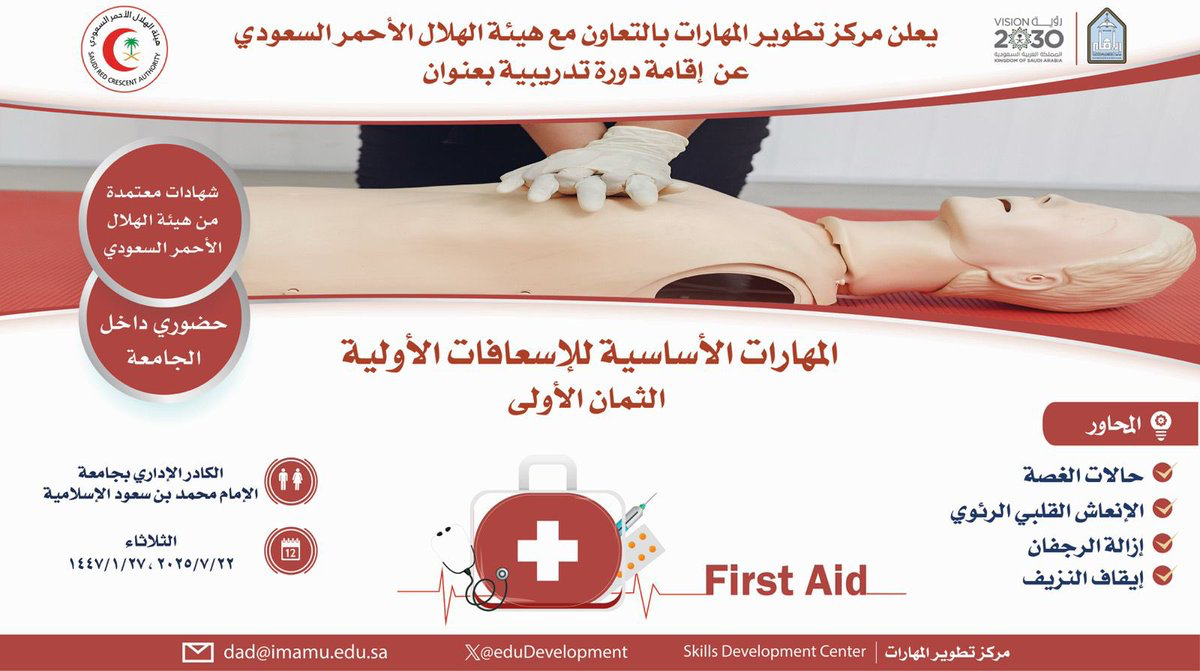
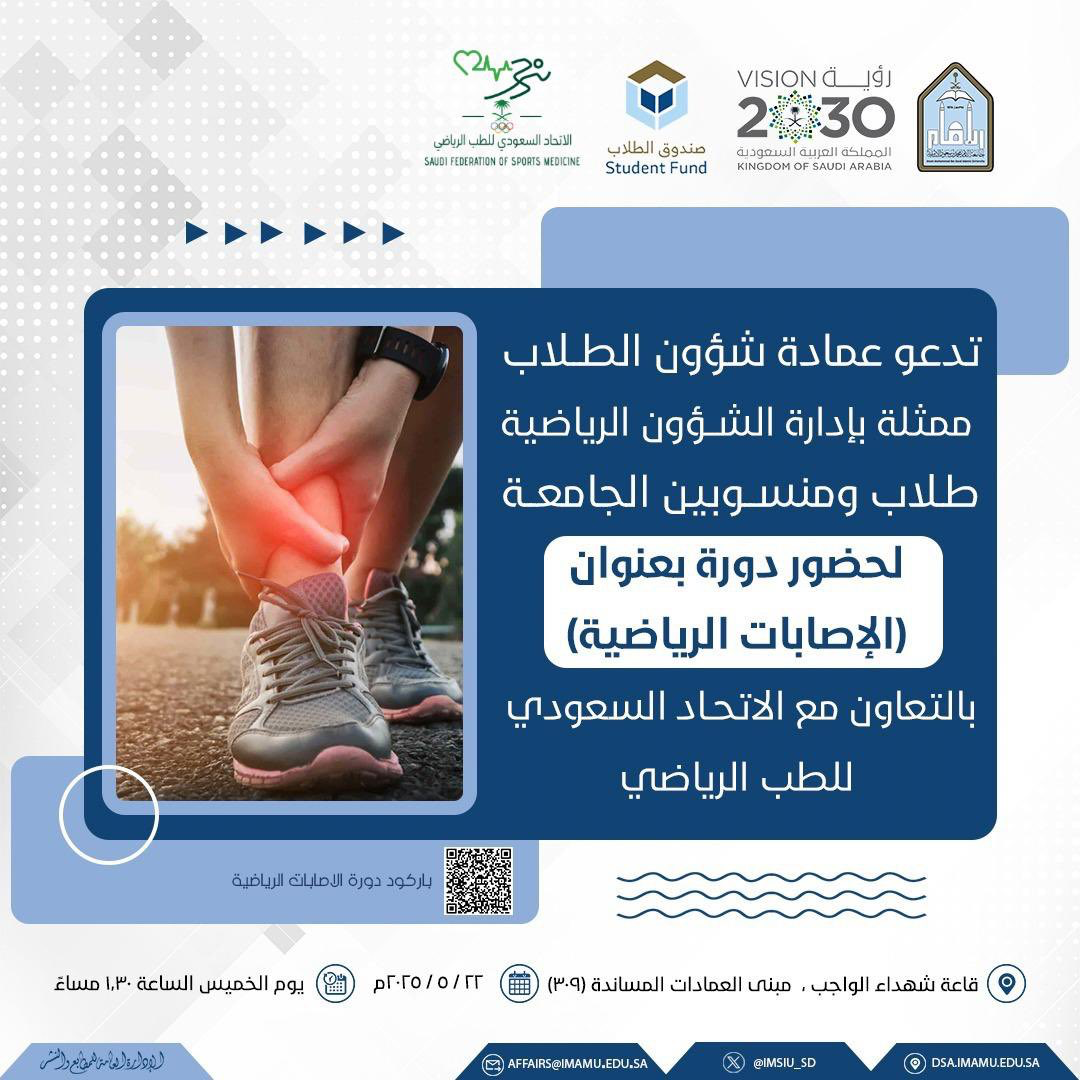
2- Health Services and Awareness
https://x.com/IMSIU_edu_sa/status/1945521455590240268
https://x.com/IMSIU_SD/status/19356322206951915
https://x.com/IMSIU_SD/status/1924525929134510343
https://x.com/IMSIU_SD/status/1922293264650002562
3- Legal and Social Support
Through colleges such as Sharia
and Social Work, the university offers free legal and social
consultations to victims of domestic violence and struggling families. Social
workers also contribute to psychosocial support and rehabilitation for
community members.
https://x.com/IMSIU_SD/status/1919291122087563620
https://x.com/IMSIU_edu_sa/status/1916896950034604103
https://x.com/IMSIU_SD
https://units.imamu.edu.sa/deanships/sa/Pages/default.aspx