Executive Summary:
In line with its national responsibilities
and its educational, research, and community mission, Imam Mohammad Ibn Saud
Islamic University (IMSIU) places the highest priority on supporting the United
Nations Sustainable Development Goals (SDGs), particularly SDG 16:
Peace, Justice, and Strong Institutions.
This report documents the university’s active
contributions—across all its campuses within and outside the Kingdom—towards
achieving the indicators of this noble goal. These efforts are realized through
the adoption of policies and systems that promote transparency,
anti-corruption practices, the culture of human rights, and the principles of
justice, alongside fostering partnerships with relevant governmental and
community stakeholders.
The report further highlights key initiatives,
academic and research programs, and volunteer activities implemented by the
university, which collectively contribute to building strong institutions and
reinforce its role as a strategic partner in advancing the objectives of Saudi
Vision 2030, while affirming its commitment to international standards of
good governance and sustainable development.
This report reflects IMSIU’s pioneering
role—through the initiatives and policies it presents—and confirms the university’s
commitment to aligning its strategies (IMSIU Strategic Plan, IMSIU Strategic Plan pdf) with KSA Vision2030 and the United Nations Sustainable
Development SDG16. In doing so, IMSIU strengthens a fair,
peaceful, and just environment and supports the building of strong institutions
within the Kingdom.
Methodology of SDG 16 –
Peace, Justice, and Strong Institutions:
The methodology of Sustainable Development Goal 16 (SDG 16) is
centered on promoting peace, justice, and strong institutions as fundamental
pillars for achieving the other SDGs. Peace and justice go hand in hand to
ensure fairness and equality among individuals and nations, and this objective
requires capable and effective institutions that can sustain progress toward
development.
This extends from achieving individual justice—through combating
modern slavery and human trafficking—to enabling nations to build knowledge
bases and scientific evidence that strengthen their capacity to confront
crises.
Within this framework, universities are expected to act as strong
institutions that support peace and justice, not only through their
scientific research in fields such as law and international relations but also
through their active participation in policy-making and their
contributions to knowledge-based decision support.
Interlinkages with Other
Sustainable Development Goals:
SDG 16 (Peace, Justice, and Strong Institutions) is
intrinsically linked to the achievement of other Sustainable Development Goals.
Attaining these goals requires effective, inclusive public institutions capable
of delivering quality education (SDG 4), healthcare (SDG 3), equitable
economic policies (SDG 8), and comprehensive environmental protection
(SDGs 13, 14, and 15). The rule of law and sustainable development are
closely interconnected and mutually reinforcing, making them essential for
advancing development at both the national and international levels.
In this context, Imam Mohammad Ibn Saud Islamic University (IMSIU)
plays a pivotal role in supporting SDG 16 by strengthening the rule of law,
promoting good governance, and embedding the principles of justice and
transparency within its academic and research programs. The university also
provides expert consultation to government agencies in policy development.
Moreover, IMSIU contributes to building strong and inclusive educational
institutions that foster quality education and innovation, while actively
engaging in community initiatives and national partnerships to raise awareness
of sustainable development—fully aligned with the objectives of Saudi Vision
2030 Vision 2030 Annual Report
2024.
Elected
Representation and Institutional Recognition of Student Unions
IMSIU attaches great importance to the participation of its
community members in university decision-making, believing that elected
representation within its highest governing bodies strengthens transparency,
promotes good governance, and reinforces institutional belonging. In this
context, IMSIU has enabled students, faculty, and staff to participate in
institutional councils and committees, and has formally recognized student
unions and councils, supporting their elections and activities. This report
presents evidence and documentation of these practices, demonstrating IMSIU’s
commitment to enhancing active participation of all university constituencies
in governance, in line with relevant international standards.
Official Recognition of Student Councils and
Unions:
https://imamu.edu.sa/Committees/Pages/StudentCouncil.aspx
Student councils have received formal
recognition within the organizational structure of IMSIU. The university’s
approved organizational bylaws stipulate that the Student Advisory Council
in each college is the “authority responsible for considering student
affairs” from the perspective of students at the college level.
Reinforcing this role, the University
President personally chairs the Supreme Student Council at the
university level, which includes the Vice President for Academic Affairs, the
Dean of Student Affairs, relevant vice-deans, and the presidents of all student
councils across the university’s colleges—both male and female.
This high-level representation grants student
councils significant institutional weight and confirms the university’s
official recognition of them as a vital link between students and the
administration.
Regulatory Bylaws for Student Advisory Councils:
https://imamu.edu.sa/news/pages/news_21_5_2024_03.aspx
The Deanship of Student Affairs at
Imam Mohammad Ibn Saud Islamic University (IMSIU) has supported student
councils through the adoption of formal Regulatory Bylaws for Student Advisory
Councils in 1443H (2022). An administrative
secretariat was also established within the Deanship to coordinate the
councils’ activities and submit their recommendations to the Supreme Student
Council.
These measures have significantly empowered
students to participate in university decision-making. The councils have
consistently received strong support from university leadership, with the
University President and the Dean of Student Affairs affirming their vital role
in voicing student concerns and addressing student issues. This has further
strengthened their standing as an active and influential component of
university life.
Details of Student
Elections (Nomination and Voting):
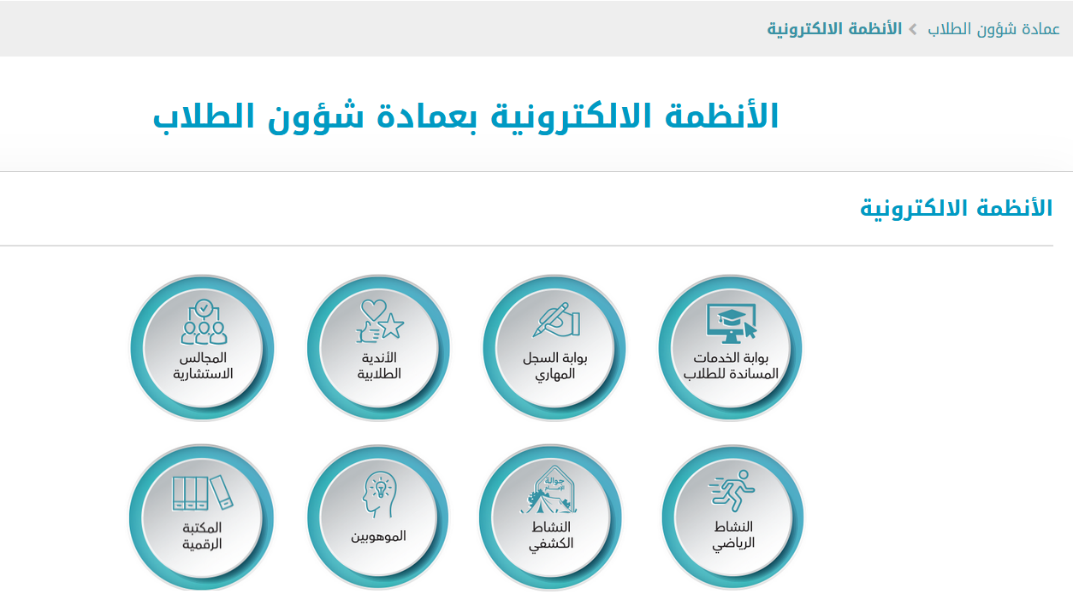
https://units.imamu.edu.sa/deanships/sa/Esystems/Pages/default.aspx
Imam Mohammad Ibn Saud Islamic University (IMSIU) organizes annual
student council elections at the beginning of each academic year under the
supervision of the Deanship of Student Affairs in coordination with the
colleges.
The nomination period opens during the first semester, followed by
campaign activities and electronic voting through the Student Portal, ensuring
transparency and ease of participation. Candidates are required to maintain
good conduct records and meet academic criteria.
The election process and results are formally announced, as demonstrated
in the 1446H (2024) elections, which began in September and resulted in
the formation of new student councils in October of the same year.
Policies and
Initiatives Supporting Student Councils:
IMSIU has actively
contributed to strengthening the institutional representation of students—both
academic and non-academic—alongside its formal recognition of the student
union. The Deanship of Student Affairs has organized numerous
activities to enhance student participation in councils and unions. Among the
most notable:
- Regular Meetings with IMSIU Leadership:
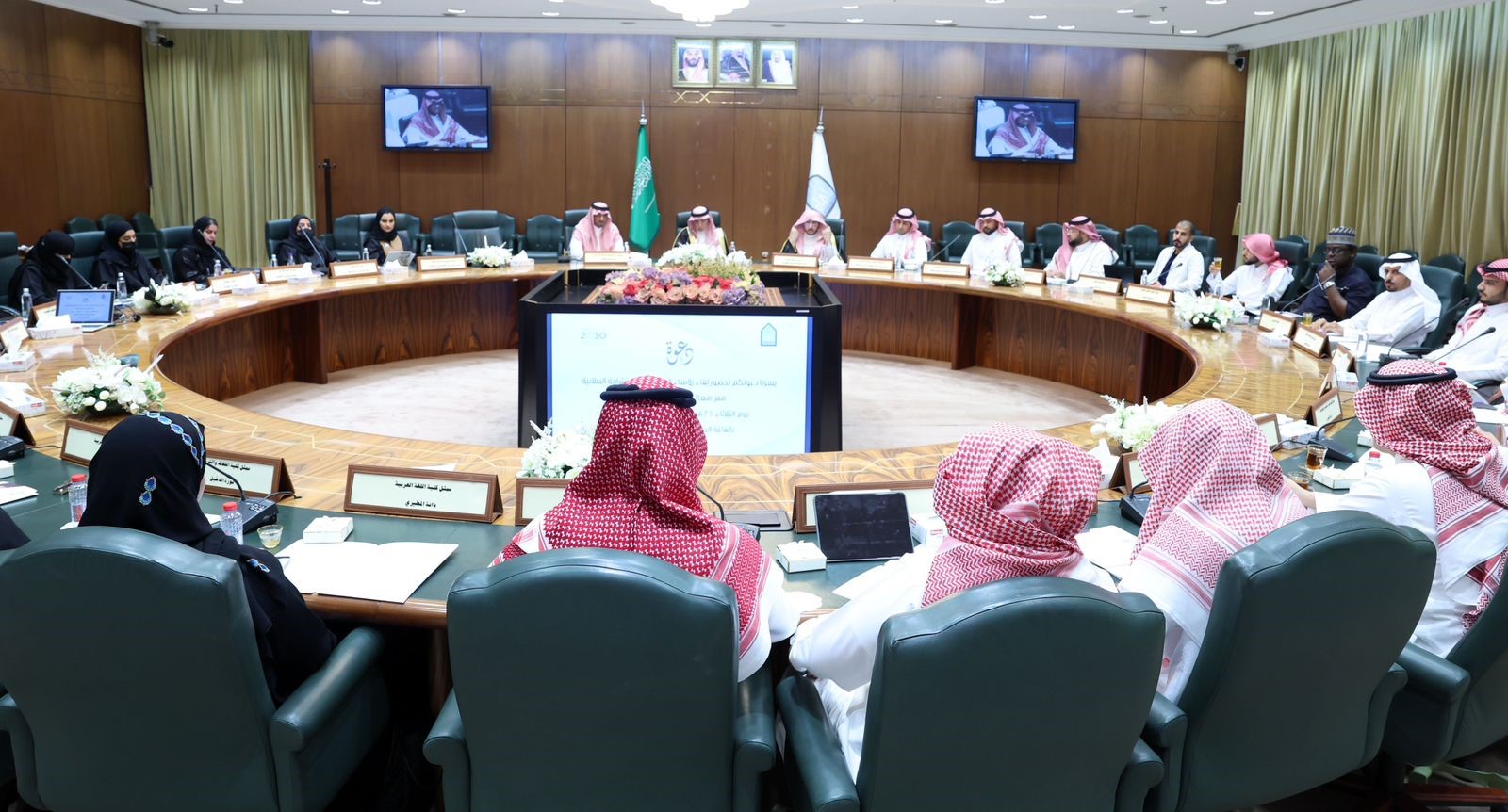
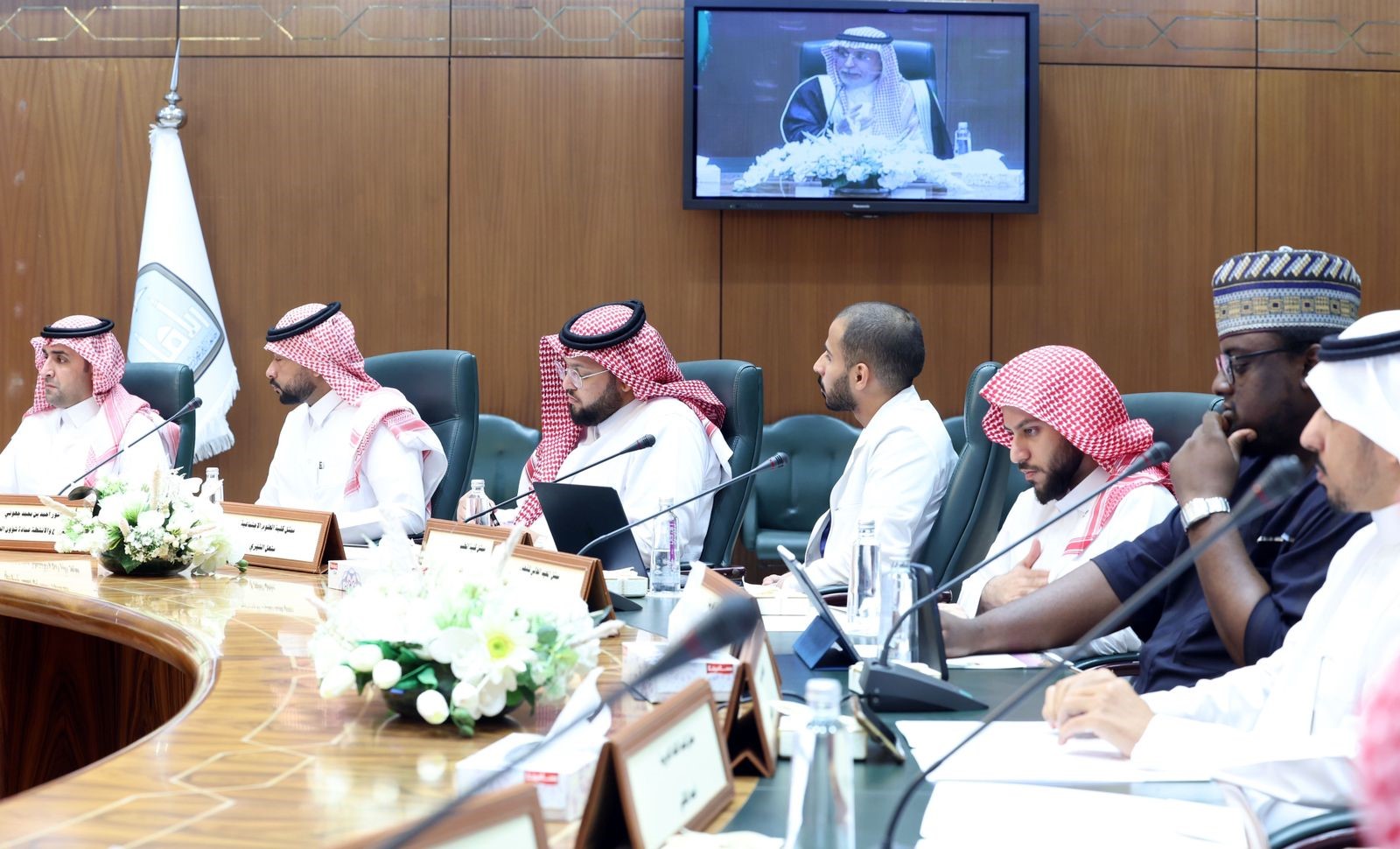
On 13/11/1445H
(corresponding to 21 May 2024), the University President, Prof.
Dr. Ahmed bin Salem Al-Ameri, held an open meeting with the
presidents of the student advisory councils and representatives of the Supreme
Student Council from all colleges. During the session, he emphasized that these
councils represent a valuable opportunity for students to express their views,
convey their voices to university leadership, and develop skills in
constructive criticism and active participation in decision-making.
This event
reflects IMSIU’s commitment to engaging students transparently in discussions
of their academic and service-related concerns.
- The Role of the Deanship of Student Affairs in
Supporting Student Representation:
https://units.imamu.edu.sa/deanships/sa/news/Pages/news-6-3-2025.aspx
The Deanship of Student Affairs has
established structured and institutionalized mechanisms to support students and
oversee their elections in an organized manner. The Deanship encompasses
several departments and units dedicated to student welfare and empowerment,
including:
- Department
of Student Stipends and Allowances
- Department
of Student Housing
- Student
Fund Administration
- Student
Employment Department
- Center
for Services for Persons with Disabilities
- Center
for Psychological and Social Counseling
- Secretariat
of Student Advisory Councils
- Unit for
Gifted and Outstanding Students
- Skills
Record Unit
- Volunteerism
Unit
- Professional
Certifications and Leadership Programs Unit
Through these structures, the Deanship provides
comprehensive support to students, ensuring transparency in elections and
fostering an inclusive environment for personal, academic, and professional
growth.
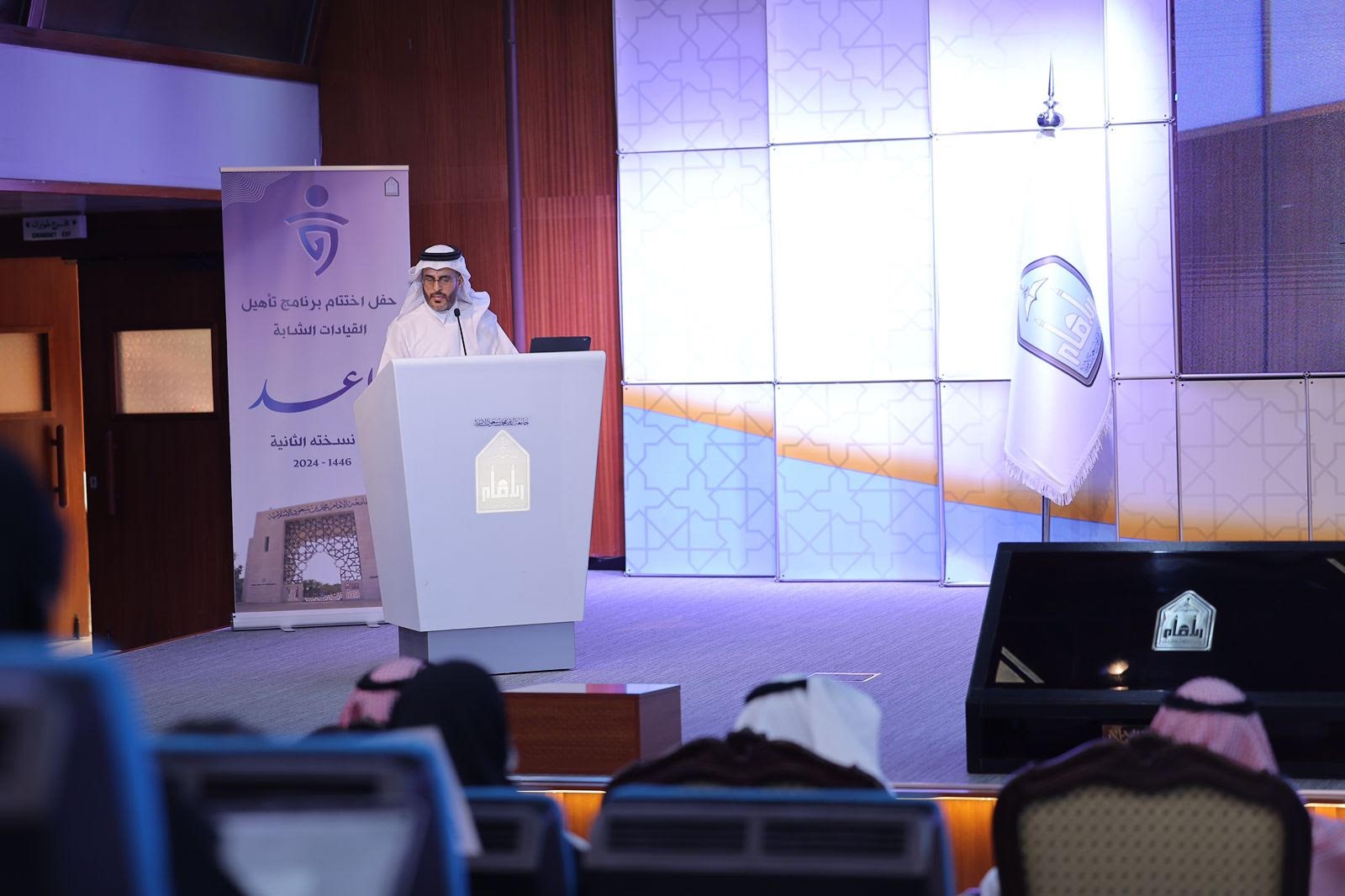
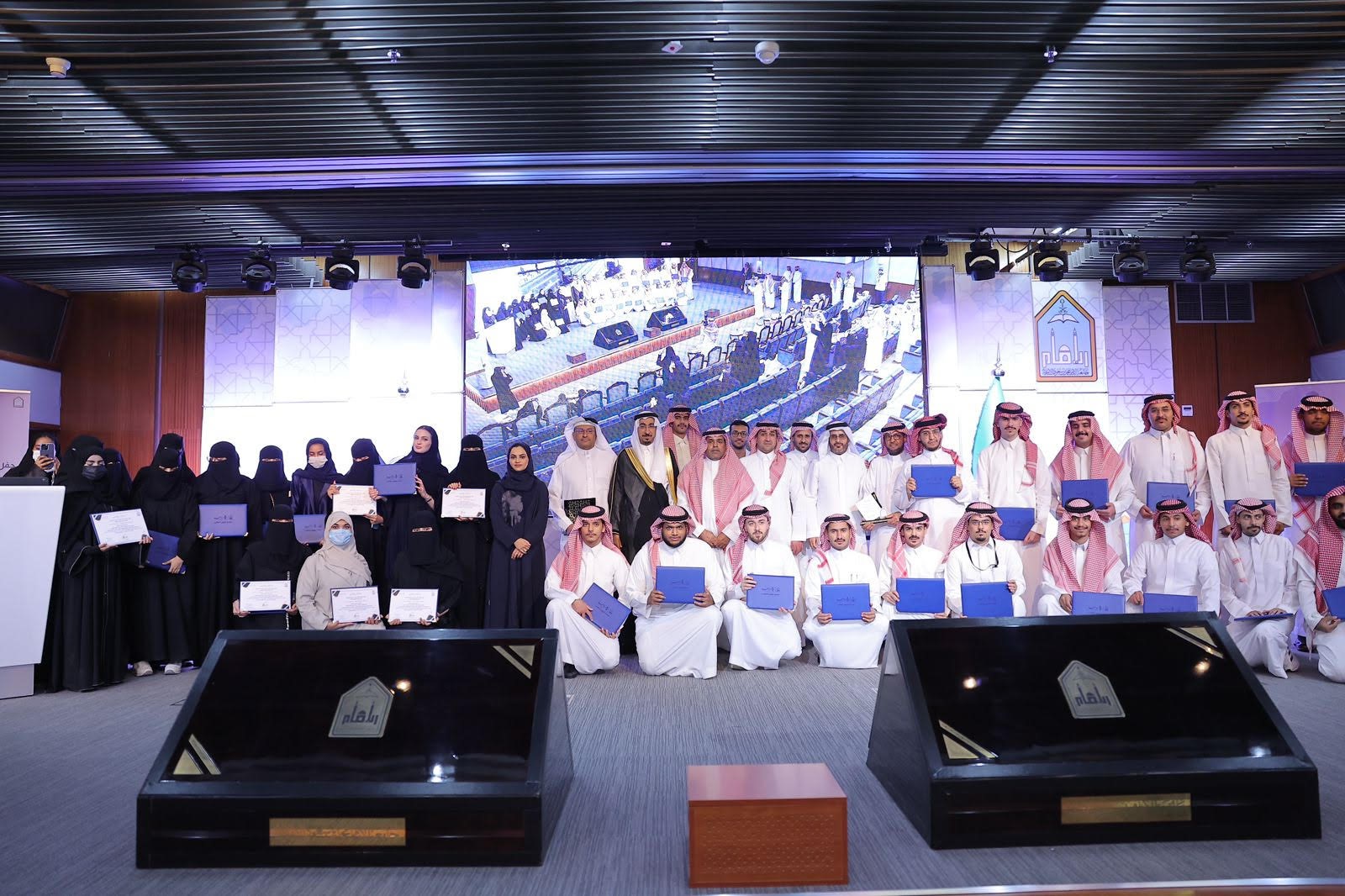
- Waed” Program for Preparing
Young Leaders:
https://imamu.edu.sa/news/Pages/news_22_10_2024_01.aspx
Among its supportive initiatives, the Deanship
of Student Affairs has launched programs to develop student leadership
skills. For example, it implemented the “Waed” Program for Preparing Young
Leaders, designed to enhance students’ leadership capacities and prepare
them to assume responsibilities within student councils and clubs.
In October 2024, the Deanship—through
the Professional Certifications and Leadership Programs Unit and with
the support of the Student Fund—organized the graduation ceremony for
the program’s second cohort.
Furthermore, the Deanship consistently
provides financial and logistical support to student councils and clubs,
including dedicated meeting spaces and regular gatherings. This reflects the
university’s strong belief in the role of these entities in shaping students’
personalities and building effective communication bridges between students and
university administration.
- Regular Meetings of Student Councils at the College Level:
https://units.imamu.edu.sa/colleges/cmc/news/Student_Advisory_Council
At the college level, several colleges have initiated regular meetings
of student councils with college officials to discuss student proposals. For
example, on 5/4/1446H (corresponding to 8 November 2024), the College
of Media and Communication held its first meeting between the Student
Advisory Council and the Vice Dean for Academic Affairs, Dr. Tariq
Al-Shadoukhi.
The meeting addressed students’ proposals regarding academic matters and
university services, as well as their aspirations for future initiatives. These
meetings are organized under the guidance of the college’s leadership and with
the support of the Deanship of Student Affairs, reinforcing the role of
student councils at the college level.
Such initiatives strengthen students’ active participation in improving
the educational environment and its services while enhancing their awareness of
their responsibilities and rights within IMSIU
Key Practices of Imam Mohammad
Ibn Saud Islamic University (IMSIU) in the Official Recognition of Student
Unions:
Imam Mohammad Ibn Saud Islamic University (IMSIU) adopts a series of
practices to enhance the institutional representation of students, faculty, and
non-academic staff, alongside the official recognition of accredited student
unions and bodies. Among the most notable practices:
- Student Elections:
IMSIU organizes annual elections for student representatives, through which
members of student clubs (cohort representatives) are democratically elected to
represent their respective year groups within the relevant councils. Elected
representatives are granted the right to attend related meetings, ensuring
genuine democratic participation.
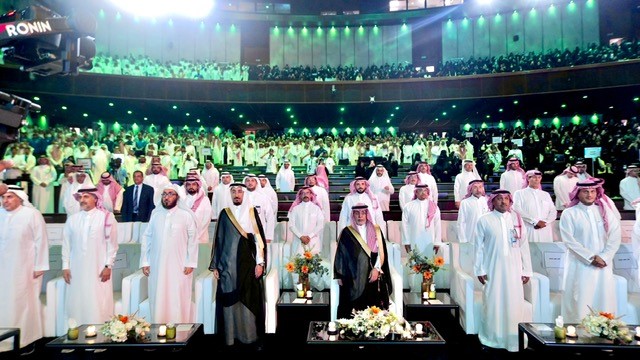
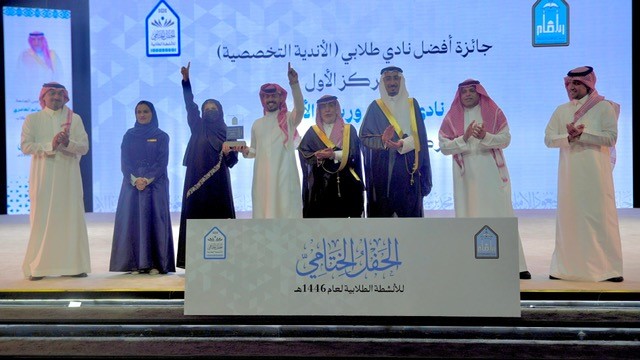
The university also celebrates and honors outstanding student clubs in the
presence of the University President, Prof. Dr. Ahmed bin Salem
Al-Ameri.
https://units.imamu.edu.sa/deanships/sa/news/Pages/news-13-5-2025.aspx
- Specialized Student
Clubs (Discipline-Based):
- 1st Place: Innovation and
Entrepreneurship Club (from the Innovation and Entrepreneurship Center)
- 2nd Place: Accounting Club
(College of Business)
- 3rd Place: Science Club
(College of Science)
- 4th Place: Insurance and
Risk Management Club (College of Business)
- 5th Place: Media Club
(College of Media and Communication)
- General Student
Clubs (affiliated with the Deanship of Student Affairs):
- 1st Place: Ejad
Club
- 2nd Place: Azm
Club
- 3rd Place: Media Club
- 4th Place: Nazaha
Club
- 5th Place: Rawa’
Volunteer Club
Official Recognition of the Student Union, Student
Councils, and Their Initiatives:
IMSIU formally recognizes the Student
Union through accredited student structures established across most of its
colleges—such as the College of Business, Social Work, Medicine, Sharia,
Computer Science, and others. These bodies organize their activities and
training in accordance with the university’s approved administrative framework,
and their contributions are acknowledged through certificates of appreciation
issued by the Deanship of Student Affairs.
Demonstrating the university’s strong support
for student councils, a diverse range of initiatives have been implemented,
including:
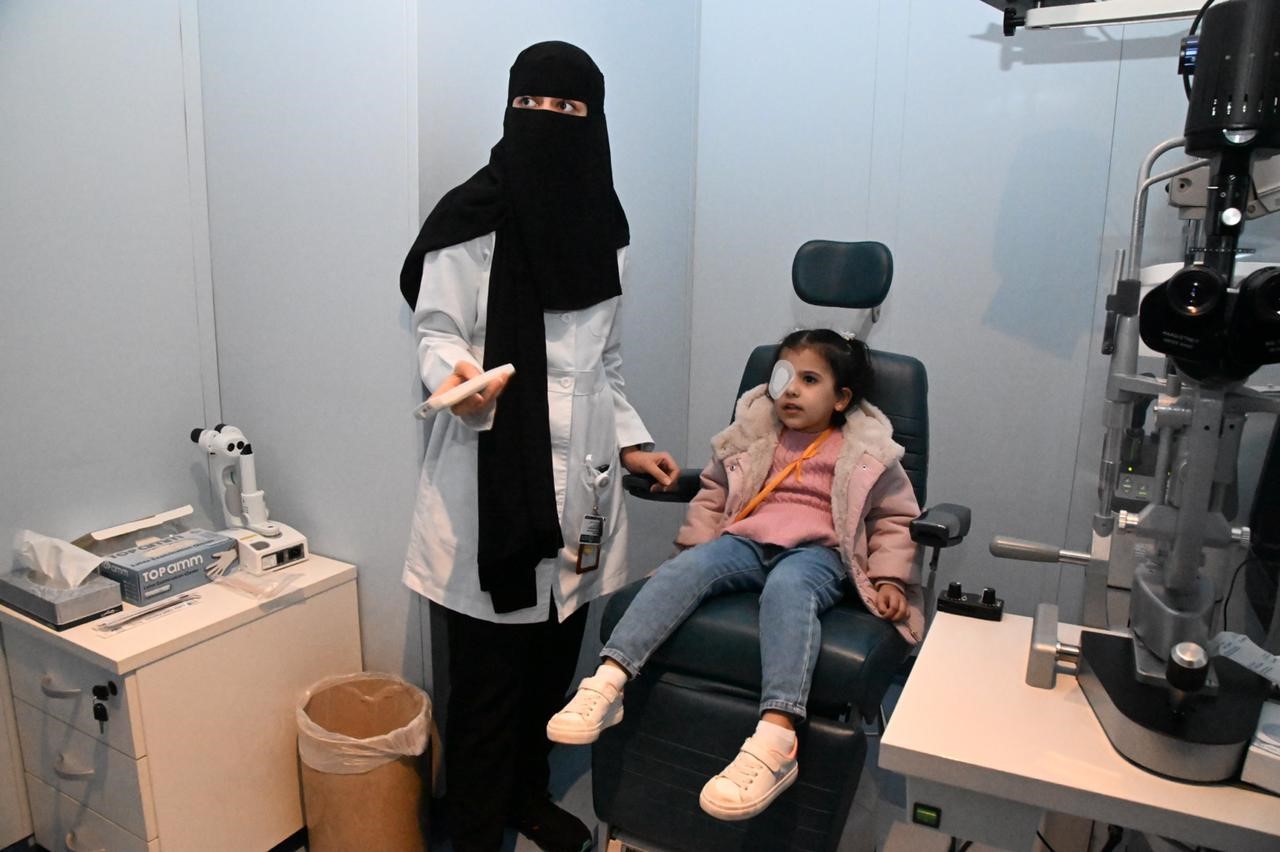
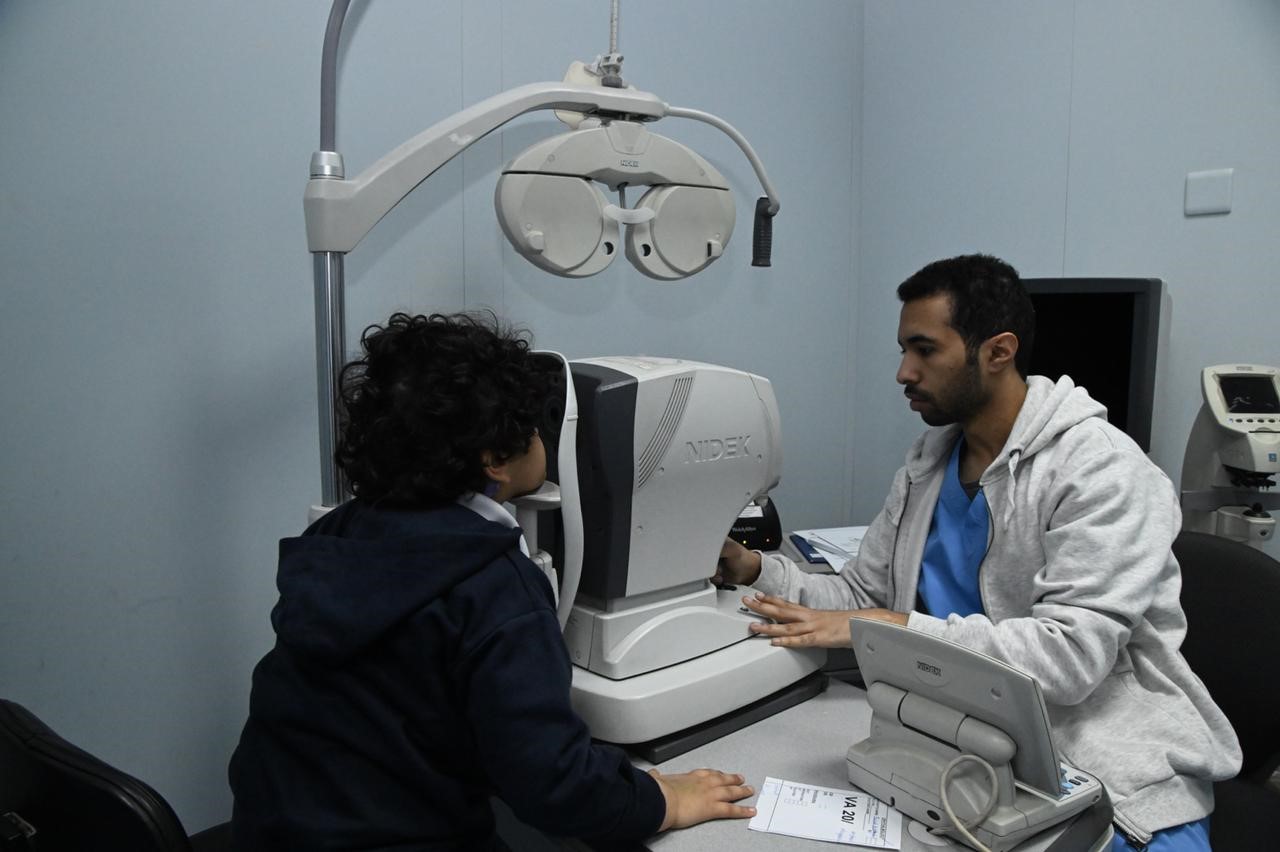
- The Student Councils Initiative at the College of Medicine:
The The Student Councils Initiative at the College of Medicine, in collaboration with the Department of
Ophthalmology, organized a volunteer initiative titled “Our Children Through
Our Eyes” at the university’s medical center on Tuesday, January 10,
2023. The initiative was supervised by Dr. Sarah Al-Jifri, with the
support of the Ophthalmology Department staff.
The aim of the initiative was to screen
kindergarten children from private schools for potential refractive errors or
eye diseases during the critical developmental stage of vision, in order to
prevent amblyopia or vision loss.
The initiative included more than 45
children from Al-Ghad Private Schools, providing early detection of
amblyopia, strabismus, and other eye conditions. Early screening before the age
of ten was emphasized to ensure timely intervention, as treatment becomes more
challenging beyond childhood.
- The Student Council at the College of Business:
https://units.imamu.edu.sa/colleges/Economics/news/Pages/News27-4-2025.aspx
In January 2025, the College of
Business announced the opening of volunteer opportunities and participation for
its students through student bodies responsible for organizing elections and
community engagement activities.
- The Student Council at the College of Social Work:
https://units.imamu.edu.sa/colleges/SocialScience/Pages/student_council.aspx
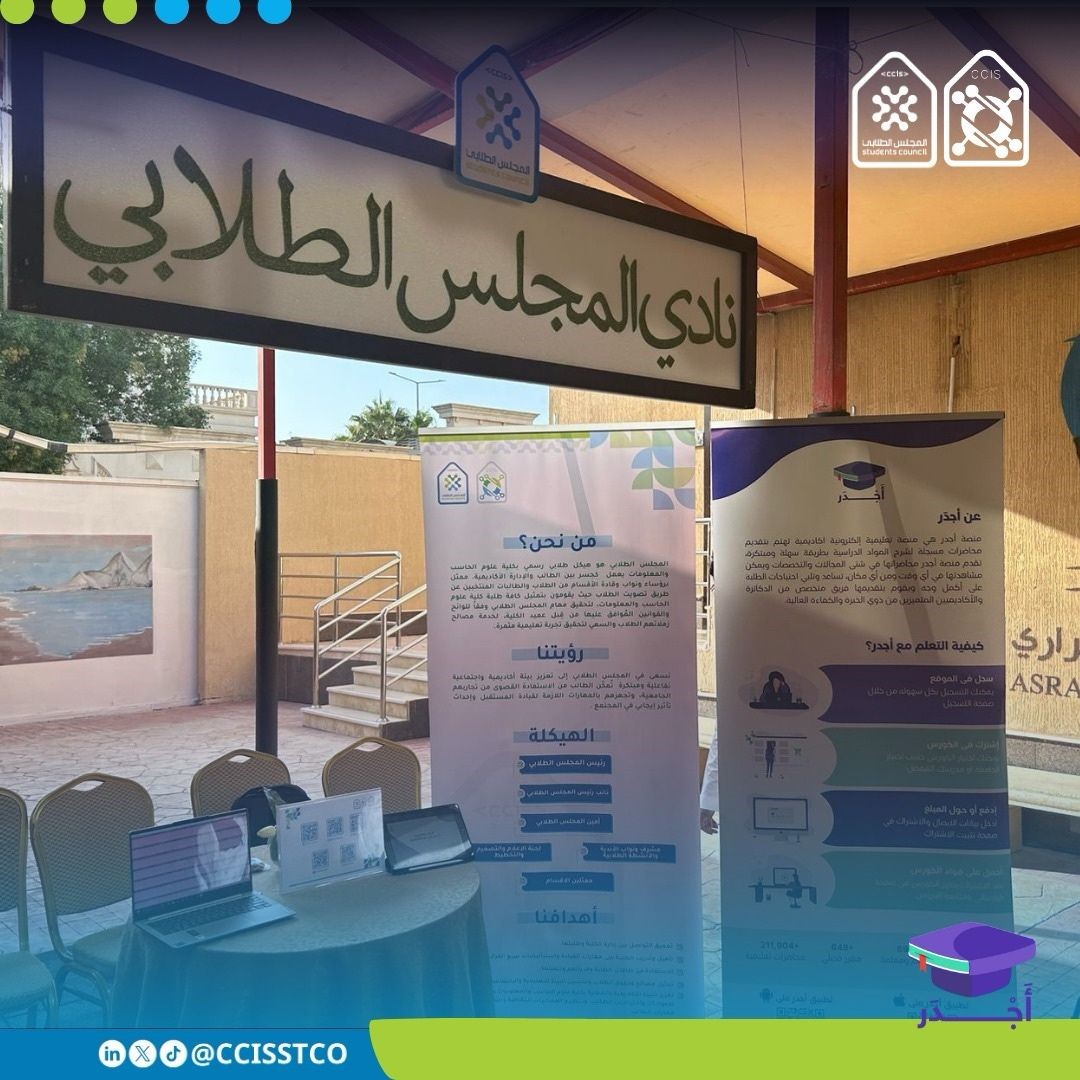
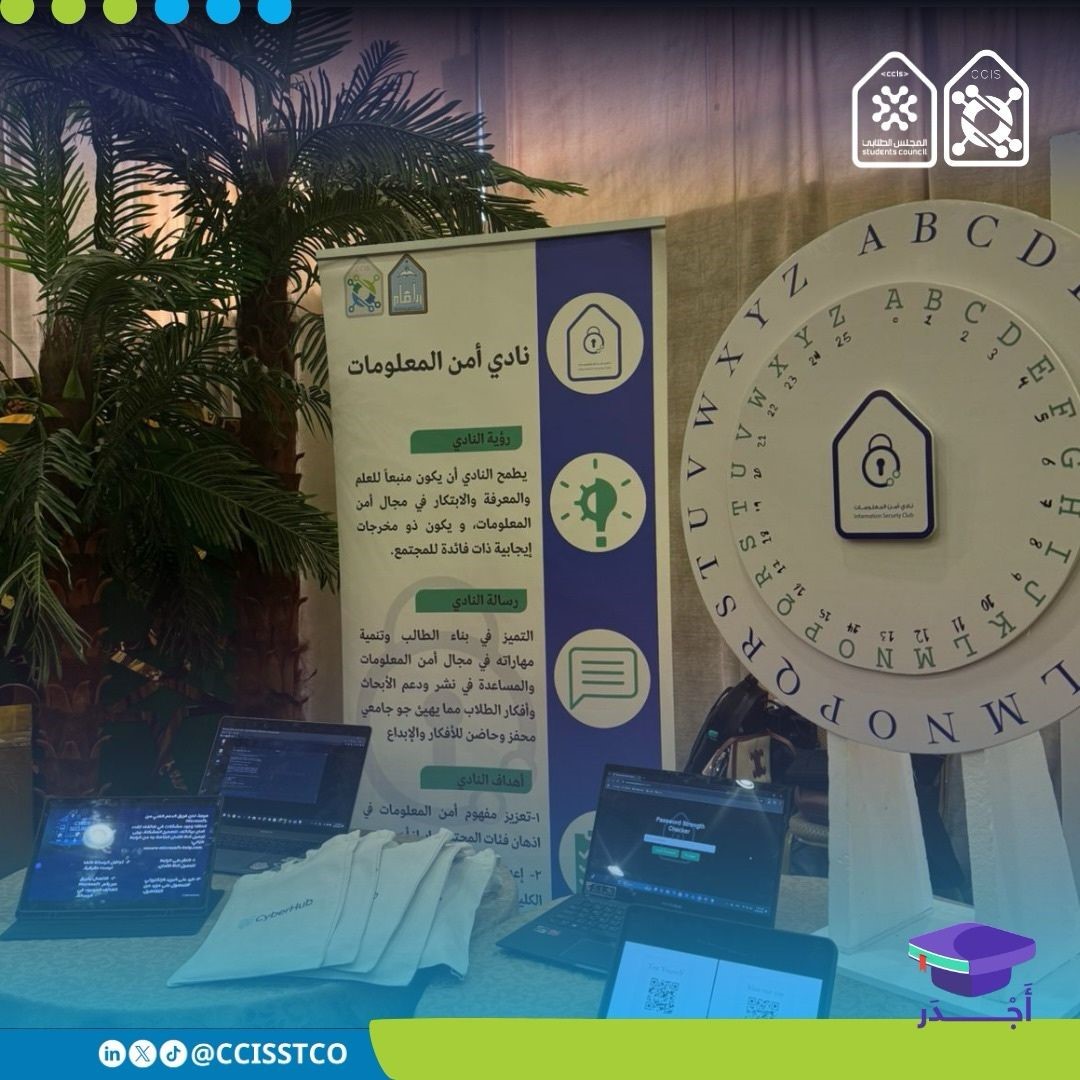
Participation in International Volunteer Day:
The
Student Advisory Council in Collaboration with Student Clubs on International
Volunteer Day
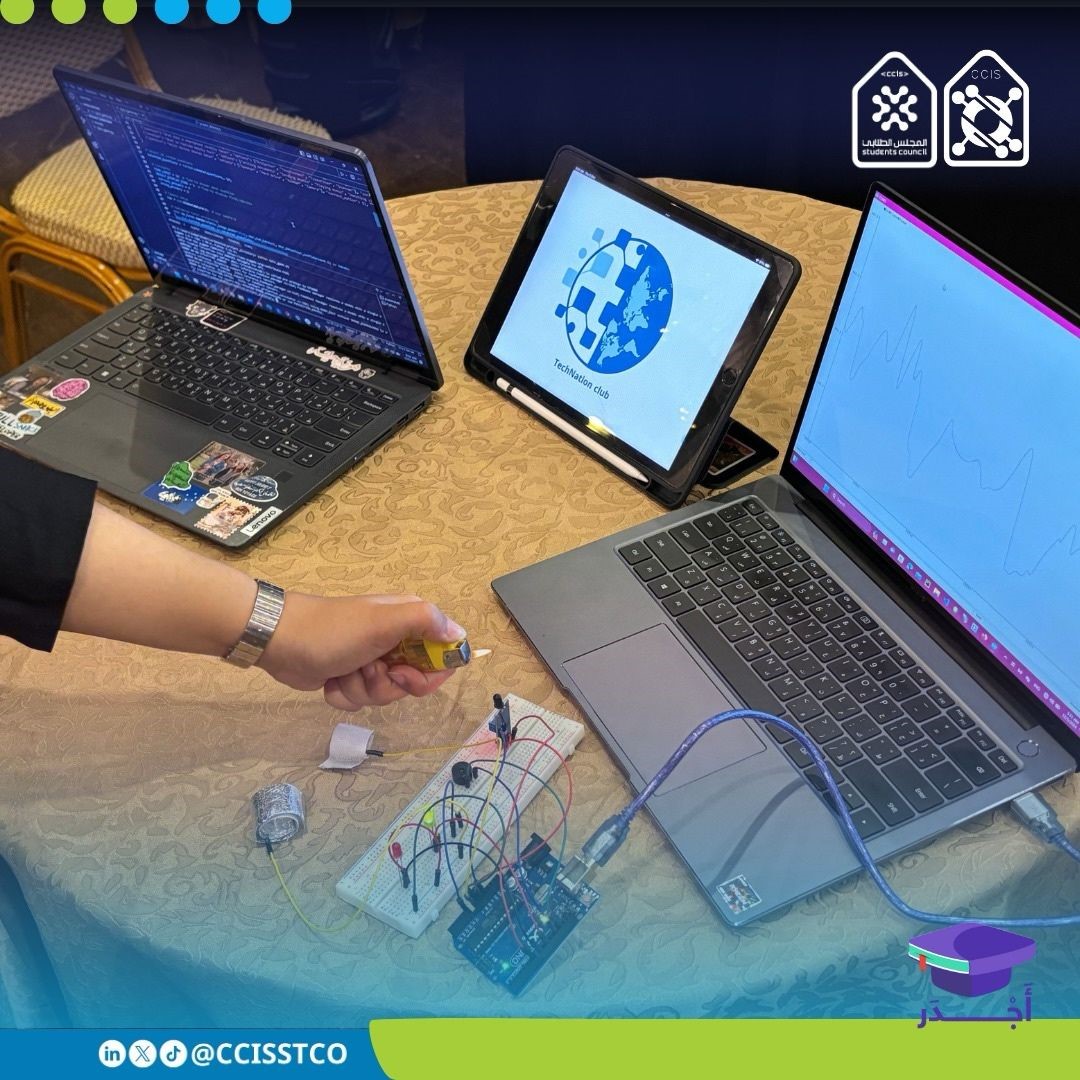
We are pleased to announce the success of a distinguished volunteer
activity organized by the Student Advisory Council in collaboration with
student clubs.
As part of this initiative, students volunteered at a local school to
conduct educational and awareness activities focused on
technology-related topics. The sessions were delivered in a simplified and
engaging manner to ensure accessibility for schoolchildren.
Through this event, the university sought to enhance students’
understanding of modern technologies and their importance in daily life, while
also fostering a spirit of volunteerism and community engagement among IMSIU
students.
Official Recognition of
Academic and Administrative Councils:
https://imamu.edu.sa/Committees/Pages/UCouncil.aspx
https://units.imamu.edu.sa/councils/GS_Council/Amanah/Pages/default.aspx
Academic and administrative councils at IMSIU have received formal
recognition within the university’s organizational structure. The approved
bylaws stipulate that the University Council is the authority
responsible for managing the academic, educational, administrative, and
financial affairs of the university, and for implementing its general policies,
in accordance with the provisions of the Higher Education and Universities
Council Law.
The university’s governance mechanisms include elected representation of
faculty members and administrative staff within both the University Council and
college councils. This framework enables their active participation in shaping
policies and ensures indirect representation of non-academic employees, thereby
reinforcing inclusivity and shared governance
Alignment with the
University’s Strategic Plan:
According to the
published IMSIU Strategic Plan, the university places strong emphasis on the pillar of “Institutional
Governance and Stakeholder Participation.” This focus includes:
- Developing the capacities of students and staff, and supporting their
participation in institutional mechanisms and decision-making.
- Promoting a democratic culture through representative elections and the
formal recognition of student, academic, and administrative councils.
- Activating legitimate channels for expressing the concerns of students,
faculty, and staff, particularly through supporting college councils.
The university’s practices—ranging from student elections to
coordination councils across the academic community—are fully aligned with
these official objectives of the strategic plan
Alignment
with Saudi Government Directives:
As a public
institution, IMSIU fully adheres to all state decisions.
Accordingly:
- The university aligns with royal decrees and ministerial regulations
(such as those issued by the Ministry of Human Resources and Social
Development) that call for the engagement of students and staff in the
institutional life of educational and governmental entities.
- IMSIU’s procedures are consistent with ministerial policies on
organizing student unions and implementing good governance practices.
- Official documents highlight IMSIU’s compliance with the Universities
Law and related educational regulations, including the requirement for
elected representation of all constituencies within public universities, in
line with the objectives of Saudi Vision 2030 to build strong
institutions and ensure effective community participation.
This confirms that
IMSIU—through its governance structure and its strategic plan—ensures genuine
and credible representation for all its members, while officially recognizing
the student union. These practices directly align with two key indicators of SDG
16: Peace, Justice, and Strong Institutions.
Linkages Between Saudi
Vision 2030, Its National Programs, and the Support for Student Representation
and Union Recognition at IMSIU:
Saudi Arabia’s Vision 2030 serves as a strategic framework to
promote community participation and strengthen good governance in educational
institutions, including universities. Vision 2030 encompasses diverse
programs—such as the Quality of Life Program, Human Capability
Development Program, and the National Transformation Program—all of
which explicitly call for increasing the “participation of various sectors in
decision-making” within educational and governmental entities.
Official Vision 2030 documents (2023–2024 edition) also highlight the
establishment of a centralized student database covering learners from
early education to higher education, underscoring the value of student
representation and responsible participation.
The Quality of Life Program, in particular, emphasizes the
encouragement of university students to engage in clubs and community
initiatives, thereby strengthening the official recognition of student unions
and activities as a means of fostering social identity and collective
responsibility.
Through these programs, IMSIU is committed to providing a participatory
platform that empowers students to actively express themselves and engage in
institutional life. This is directly aligned with two key SDG 16 indicators:
the presence of elected representation and the official recognition
of student unions. Such practices are demonstrated through the formal
organization of student council elections and the establishment of accredited
student unions that manage activities and designate representatives to
administrative bodies within the university.
Accordingly, IMSIU’s practices in this area represent a direct extension
and practical application of Vision 2030, aligning with its objectives of
empowering students and staff in decision-making, strengthening institutional
student unions, and advancing the goals of national transformation and human
and community development.
The government initiatives that support the achievement of the
indicators on elected student/faculty/staff representation and the official
recognition of student unions fall within the following policy and
directive frameworks:
Government-Supported
Initiatives:
1.
National Transformation Program (NTP):
National Transformation Program
Document
The National Transformation Program (2021–2025), one of the executive
pillars of Saudi Vision 2030, serves as a primary framework for institutional
development, governance, and community participation. It directly supports the
achievement of student representation and the official recognition of student
unions in universities.
The 2020 NTP document, issued under Vision 2030, emphasizes “enabling
an environment for all stakeholders to participate in decision-making” and
the application of comprehensive and participatory governance across public and
private sectors, including universities.
- Governance and Community Participation: The NTP highlights the importance of “preparing
an enabling environment for the public, private, and nonprofit sectors to
achieve Vision 2030”, which includes educational institutions, and
encourages “integrated representation of different groups in
decision-making.”
- Institutional Empowerment: The program stresses embedding a culture of
participation in public institutions by “engaging internal stakeholders
in governance.” This justifies the presence of elected representatives
of undergraduate and graduate students, faculty, and administrative staff
in university councils and academic bodies.
- Student Union Activities: The NTP further promotes student
participation through unions and councils as a means to develop leadership
and community skills.
Accordingly, IMSIU’s implementation of elected representation and
the official recognition of student unions constitutes direct compliance
with the NTP requirements for governance and participatory practices. This
positions IMSIU not only as an implementer of Vision 2030 but as an
institutional model contributing to its realization on the ground.
2.
Ministry of Education Initiatives for Activating
Student Clubs and Unions:
Universities Law – Board of
Experts at the Council of Ministers
The new Universities Law, issued by Royal Decree in 2019 and
updated through 2023, empowers universities to adopt their own internal bylaws.
This includes forming academic and administrative councils with
representation from students, faculty, and staff, as part of university
governance.
The law mandates student participation in advisory councils and allows
for student presence in college and departmental councils, thereby
institutionalizing academic governance and inclusive representation within
Saudi higher education institutions.
- One example of Ministry-supported initiatives
is the “CyberHub” program, launched in collaboration with
specialized agencies, which involved more than 38 student clubs across
Saudi universities. This highlights the ministry’s commitment to officially
recognizing institutionalized student activities, particularly in emerging
fields such as cybersecurity.
- Such initiatives underscore the Ministry of
Education’s encouragement of universities to establish and support student
clubs and unions, enhancing student participation in academic governance
and aligning with national directives for community engagement
3.
Human
Resources Development Fund (HRDF):
HRDF Cooperative Training Programs
The HRDF supports professional training programs for students and
graduates, fostering collaboration channels between universities and the
private sector. This enhances student representation by enabling
students—through their elected representatives—to communicate needs and
feedback to both universities and partner institutions.
4.
Ministry
of Human Resources and Social Development (MHRSD):
The MHRSD, through the Family Affairs Council,
reinforces the role of educational institutions in empowering youth and
supporting formal representation channels. This contributes directly to
strengthening institutional governance, ensuring that students are engaged in
decision-making, and aligning with Vision 2030’s objective of building strong
institutions that advance peace and justice.
Alignment
with the University’s Strategic Plan:
IMSIU’s activation
of elected representation for university constituencies within its senior
administrative bodies, along with its recognition of elected student councils,
demonstrates direct alignment with its first strategic objective,
“Enhancing the efficiency of governance, leadership, and university
management,” and its fourth strategic objective, “Improving
the learning and teaching environment.”
This also
corresponds with the third pillar of the IMSIU Strategic Plan,
which emphasizes “achieving institutional excellence through the
implementation of governance systems and effective management with the
participation of all stakeholders.”
This approach
reflects the university’s commitment to fostering transparency, institutional
participation, and the development of students’ leadership capacities. In turn,
it contributes to empowering students, engaging them in decision-making
processes, and supporting the broader objectives of Saudi Vision 2030.
Stakeholder Engagement and Participatory Governance
Imam Mohammad Ibn Saud Islamic University
(IMSIU) stands as a leading national model in fostering strong relations with
the local community through the adoption of written policies and clear
institutional procedures designed to identify and continuously engage
external stakeholders.
Furthermore, IMSIU
has contributed to the establishment of permanent participatory bodies
that include representatives from government sectors, private enterprises, and
civil society organizations, thereby reinforcing its developmental and
integrative role.
This report
highlights key evidence and practices that confirm IMSIU’s commitment to these
approaches, demonstrating its alignment with its own strategic
objectives and the broader aspirations of Saudi Vision 2030.
Developing Policies and
Procedures to Identify Stakeholders:
IMSIU has adopted institutional documents that regulate the
identification of local external stakeholders—such as government entities,
private sector institutions, civil society organizations, and local
residents—along with mechanisms for interaction and consultation with them.
For example, the College of Computer and Information Sciences at
IMSIU regularly organizes meetings and events with representatives from local
entities. These engagements aim to connect students with professional sectors,
providing them with training and employment opportunities while familiarizing
them with labor market trends and requirements.
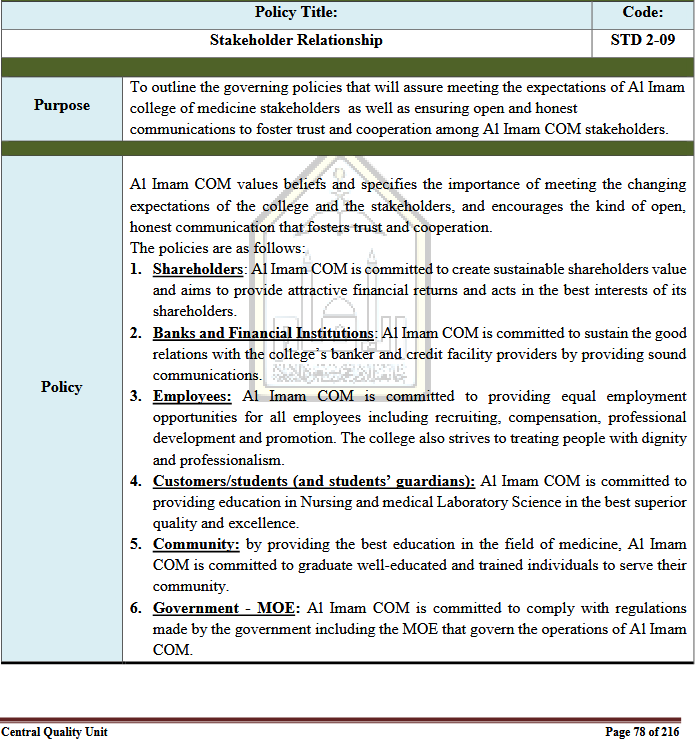
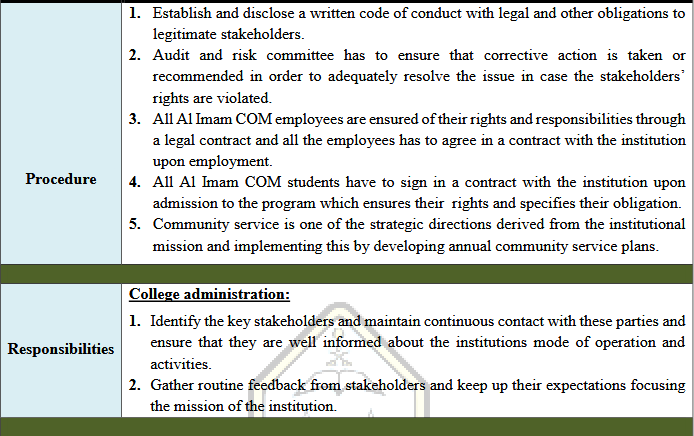
Additional evidence can be found in faculty-level guides, which
demonstrate clear institutional frameworks for stakeholder engagement:
General Directorate of
Business Development and Investment:
https://units.imamu.edu.sa/vrectorate/uabdi/profile/Pages/default.aspx
The General Directorate of Business Development and Investment at IMSIU
aims to:
- Attract
distinguished investors and promote the university’s investment resources.
- Enhance
the quality of the investment environment and its activities.
- Achieve
sustainable returns and revenue growth.
- Improve
administrative performance within a supportive environment that fosters
constructive community partnerships
Alignment with the IMSIU Strategic Plan:
IMSIU’s activation of the two indicators related to engaging local
stakeholders—whether through written policies or the establishment of permanent
participatory bodies—directly aligns with the IMSIU Strategic Plan, particularly:
- Strategic Objective 3, which focuses on strengthening the
university’s role in serving both local and international communities.
- Strategic Pillar 4,
which emphasizes enhancing the university’s local and global impact
through participation in national dialogue and community partnerships.
The initiatives showcased by the university—such as signing Memoranda
of Understanding with government and private entities (e.g., the Digital
Government Authority, the Water Academy, and Jawraa Company), organizing
national and international dialogue conferences, hosting academic and judicial
delegations, and activating scientific associations and student
councils—demonstrate a genuine institutional commitment to participatory
methodologies grounded in clear policies and effective organizational
structures.
These efforts contribute to building sustainable
communication channels with local entities and communities, thereby reinforcing
Saudi Vision 2030 by ensuring that the university plays an active and impactful
role within its national environment.
Publication of Principles on Organized Crime,
Corruption, and Bribery
IMSIU has issued
clear principles and policies to combat organized crime, corruption, and
bribery, to which it is formally committed. This commitment has been reinforced
through initiatives such as workshops—including “The Role of Institutional
Work in Combating Corruption” organized by the Higher Institute of
Judiciary—and awareness activities marking the International Anti-Corruption
Day.
Furthermore, the
university’s Code of Professional Conduct explicitly obliges
employees to report any case of corruption, requiring direct disclosure to
their immediate supervisor.
These practices
highlight IMSIU’s strong commitment to publishing and upholding its principles
against corruption, supported by an integrated oversight framework. This
directly contributes to the transparency indicator under SDG
16: Peace, Justice, and Strong Institutions, particularly regarding
IMSIU’s commitments to anti-corruption and anti-bribery.
IMSIU Employee Code of Conduct
IMSIU’s Participation and Efforts in Combating Corruption and Bribery:
Imam Mohammad Ibn Saud Islamic University
(IMSIU), across all its campuses inside and outside the Kingdom, is fully
committed to publishing and upholding its principles and commitments related to
organized crime, corruption, and bribery as part of its institutional framework
to promote integrity and transparency. Among the most notable initiatives:
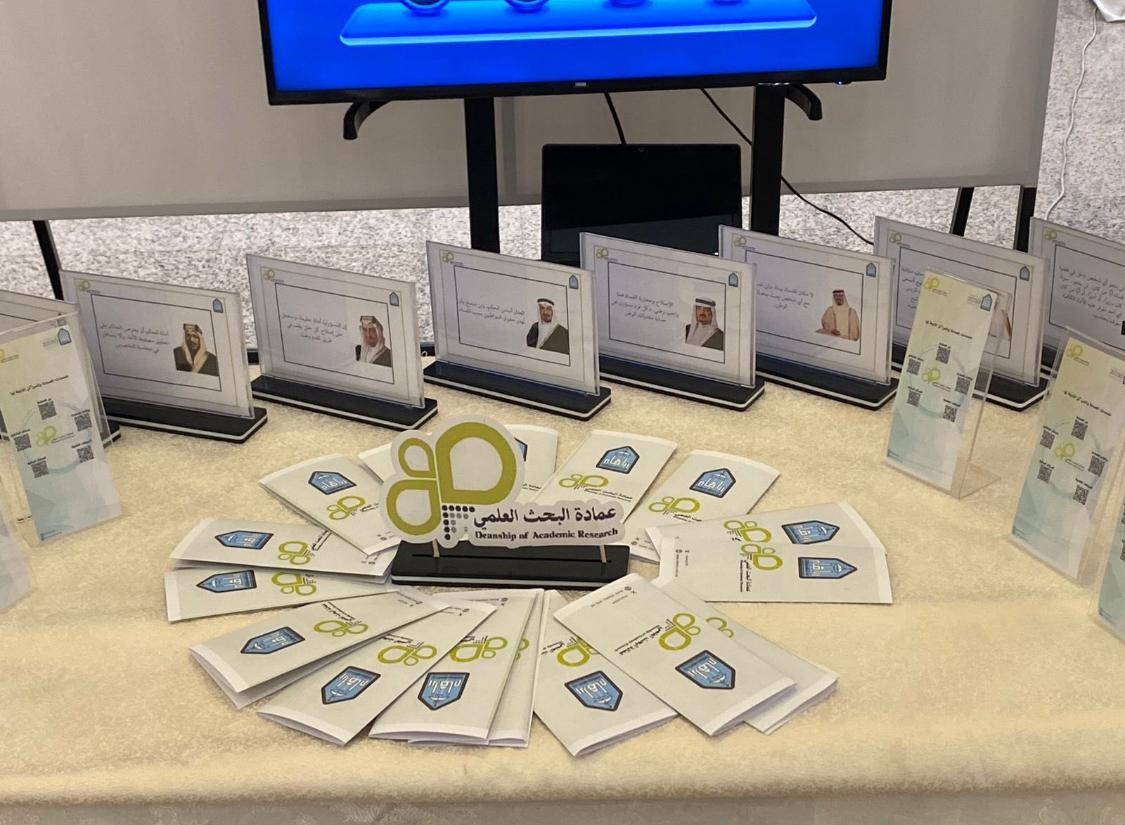
- Participation of the Deanship of Scientific
Research in the International Anti-Corruption Day (9
December 2024):
https://units.imamu.edu.sa/deanships/SR/news/Pages/news-9-12-2024.aspx
The Deanship of Scientific Research marked this international
occasion by emphasizing the role of research in promoting integrity and
transparency, contributing to building a conscious society that actively
combats corruption in all its forms.

Established under the Deanship of Student Affairs in collaboration
with the Oversight and Anti-Corruption Authority (Nazaha), its mission is “to
foster a culture of integrity within the university environment.”
The club has actively participated in several national and international
forums, including:
- The 5th Annual Forum of Nazaha Clubs
in Educational Institutions:
organized
by Qassim University in cooperation with Nazaha, under the theme “Digital
Transformation and Its Role in Promoting Integrity and Combating Corruption.”
The forum highlighted the Kingdom’s efforts under Vision 2030, raising both
community and academic awareness on the shared responsibility to fight
corruption. IMSIU’s Nazaha Club was recognized, ranking 4th among
the most active clubs for 1444 AH (2023).
https://imamu.edu.sa/news/Pages/news_6_12_2023_01.aspx
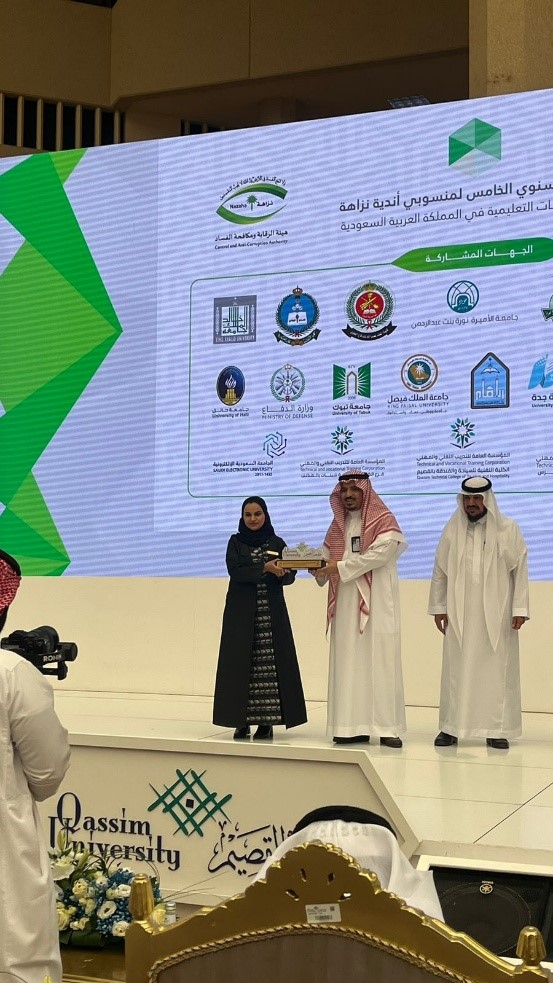
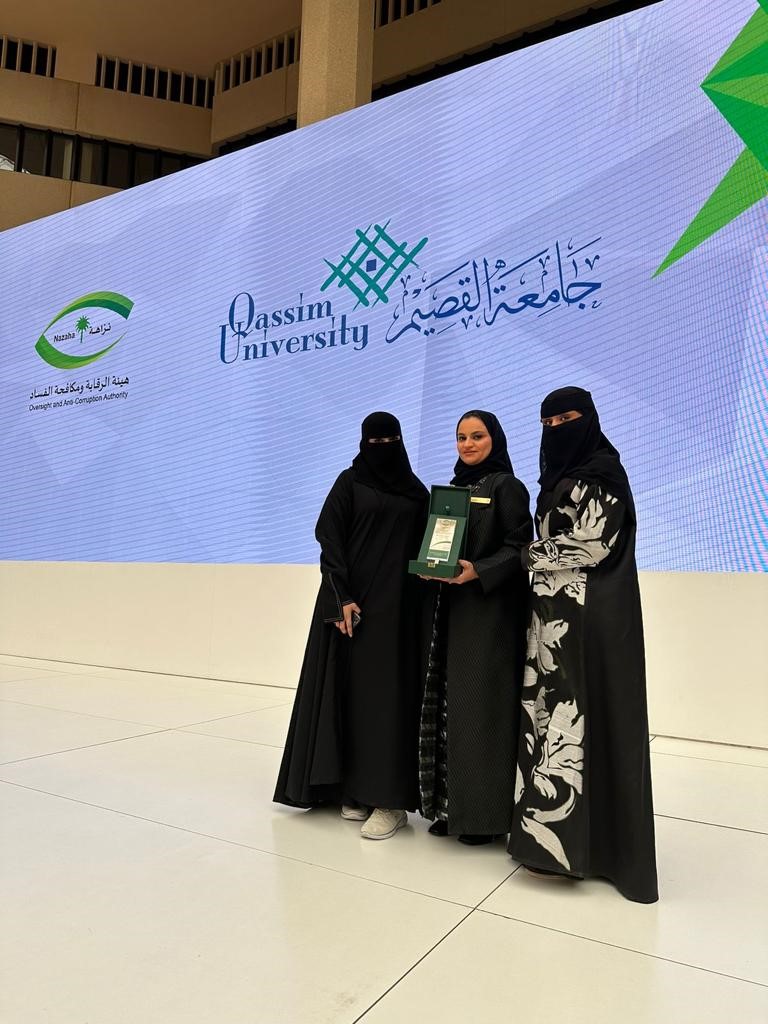
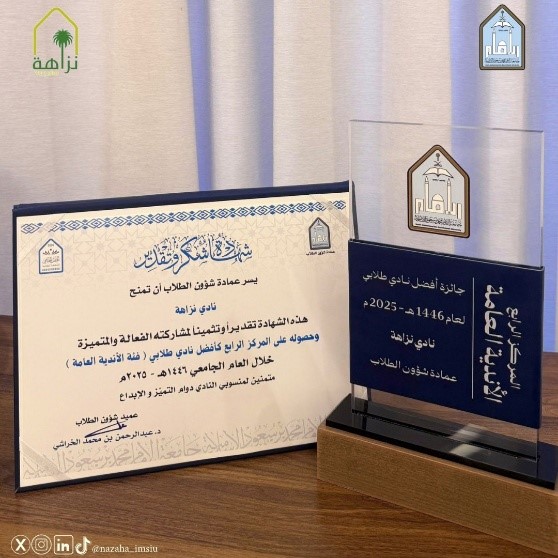
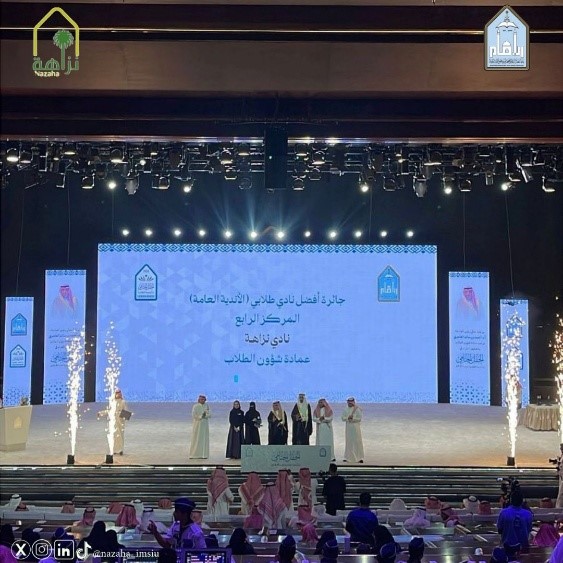
The club also achieved 4th place as one of the best general
student clubs out of 60 institutions in 1446 AH (2025).
- Siemens
Integrity Initiative Project:
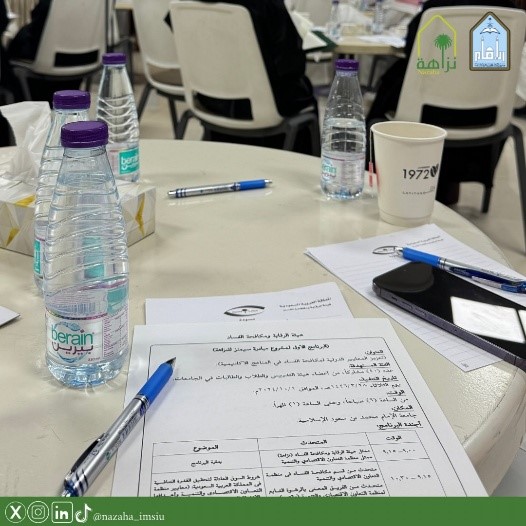
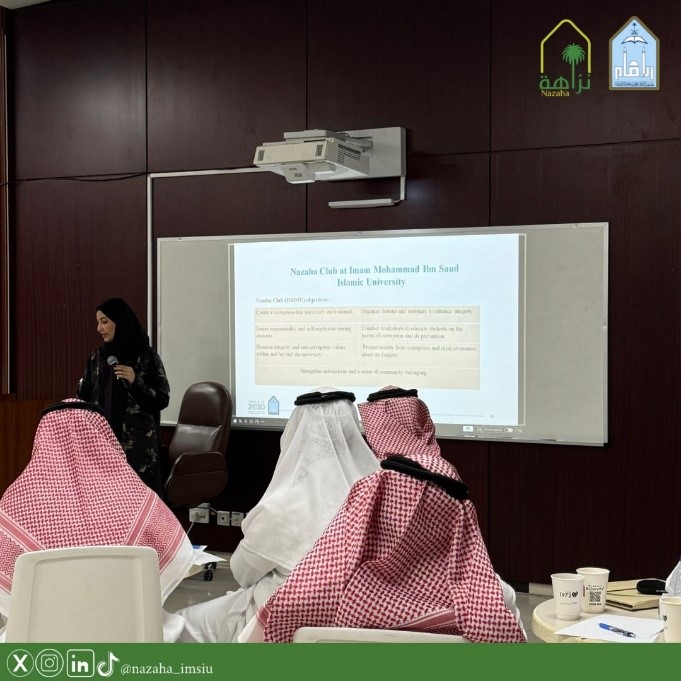
IMSIU’s Nazaha Club
participated in the first activities of this international initiative in
partnership with Nazaha and the Organisation for
Economic Co-operation and Development (OECD), highlighting the university’s
commitment to building a future rooted in integrity and transparency.
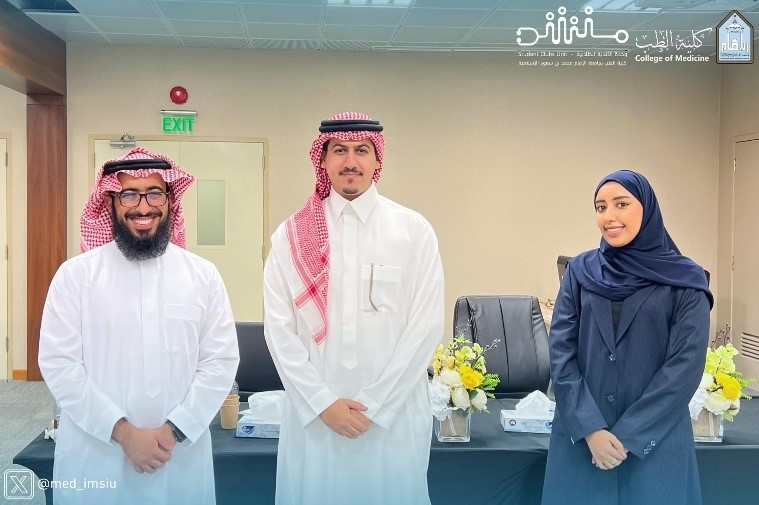
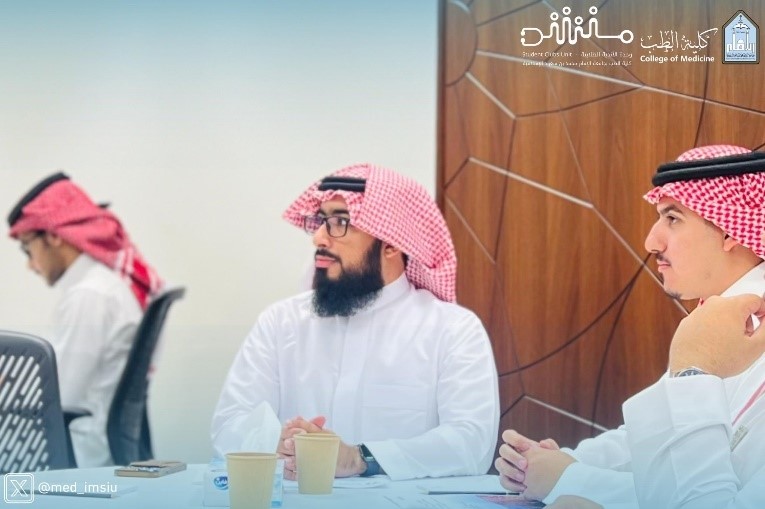
The College of Medicine at IMSIU
also joined the second phase of the Siemens Integrity Initiative, hosted at
King Faisal University in Al-Ahsa, supported by the Deanship of Student Affairs
and the Student Fund. IMSIU’s medical students who represented the university
included:
- Tariq
Yousef Al-Hamoud (5th year student)
- Nawaf
Fahd Al-Huqbani (4th year student)
- Raghad
Mohammed bin Mohammed (3rd year student)
https://units.imamu.edu.sa/colleges/Medicine/news/Pages/news7-5-2025.aspx
Further details on their activities and
initiatives can be accessed through the club’s active account on X (formerly
Twitter): @nazaha_imsiu.
Issuance of the Scientific
Integrity Protection Bylaws at IMSIU:
IMSIU has established formal mechanisms to monitor and address
violations with full transparency, exemplified by the issuance of the Scientific
Integrity Protection Bylaws, which provide a structured framework to
safeguard academic integrity across the university:
Regulations for the Protection of Scientific Integrity at IMSIU
Alignment with IMSIU
Strategic Plan:
IMSIU’s implementation of the indicator on “Publishing the
University’s Principles and Commitments on Organized Crime, Corruption, and
Bribery” is closely aligned with its Strategic Plan,
particularly Strategic Goal 4: Enhancing Governance, Transparency, and
Financial and Administrative Sustainability. It is also consistent with Pillar
2: Institutional Excellence, which emphasizes compliance with regulations,
transparency, and the promotion of an integrity-driven environment.
This alignment is further demonstrated through the publication of the
university’s Code of Professional Conduct, which obliges employees to
disclose any practices of corruption; the organization of awareness workshops
in partnership with the Higher Institute of Judiciary—such as the seminar “Institutional
Work and Its Role in Combating Corruption”; as well as activities marking
the International Anti-Corruption Day, among others.
Collectively, these initiatives reaffirm the university’s institutional
commitment to anti-corruption principles and their dissemination,
strengthening IMSIU’s role as a responsible educational institution that
supports Saudi Vision 2030 and contributes to achieving the UN
Sustainable Development Goals (SDGs).
Relevant
Government Regulations:
As IMSIU is a public university, it is fully
bound by and operates under all decisions and regulations of the Saudi
government, including those related to organized crime, corruption, and
bribery. Accordingly, the university strictly adheres to the following key
legal frameworks issued by the Board of Experts at the Council of Ministers:
This comprehensive law classifies the types
of corruption subject to enforcement—including bribery, embezzlement of public
funds, abuse of power, and other specified crimes. It forms part of the
national anti-corruption framework, obligating all government entities to
implement the National Integrity and Anti-Corruption Strategy. The law
also underscores the Saudi state’s commitment to embedding integrity and
combating corruption through an independent and robust authority that operates
under the highest legal and administrative standards, thereby enhancing public
trust and reinforcing strong and balanced institutions.
https://laws.boe.gov.sa/BoeLaws/Laws/LawDetails/75e963c8-9ff3-4d10-88a4-a9a700f17f21/1
This law defines who qualifies as a
bribe-taker, those considered equivalent to bribe-takers, and stipulates
corresponding penalties. It criminalizes certain acts connected with public
employees or those considered in equivalent positions, specifies penalties for
individuals who offer bribes even if not accepted, and details sanctions for
givers, intermediaries, and accomplices. The law further outlines subsidiary
penalties, conditions for exemption, rewards for whistleblowers
who report such crimes, and corporate-level sanctions on institutions whose
directors or staff are convicted of bribery-related offenses.
Nazaha Employee Code of Conduct:
Nazaha
Employee Code of Conduct
The Oversight and Anti-Corruption
Authority (Nazaha) has issued a general Employee Code of Conduct
applicable to the public sector, which universities and institutions are
required to adopt, with the possibility of tailoring it internally to their
specific context.
This code sets out the obligations of public
employees to prevent and report corruption, and provides clear guidance
on the actions to be taken in cases of suspected corruption or bribery. It
represents a key regulatory instrument ensuring accountability, transparency,
and ethical compliance across all government entities, including universities.
Alignment with IMSIU Strategic Plan:
IMSIU’s implementation of this indicator
aligns directly with its 2022–2026 Strategic Plan, specifically Strategic
Goal 6: Enhancing Governance, Transparency, and Spending Efficiency. The
university’s publication of its principles and commitments regarding the fight
against organized crime, corruption, and bribery reflects a clear institutional
pledge to integrity and compliance.
This alignment is further reinforced by Pillar
2 of the Strategic Plan, which emphasizes effective governance and
institutional transparency. Through the adoption of clear codes of professional
conduct and the publication of related policies, IMSIU cultivates a university
environment grounded in professional ethics and accountability.
Collectively, these measures demonstrate
IMSIU’s sustained efforts to embed sound institutional practices that promote
performance sustainability and quality, while advancing its role as a
responsible educational institution committed to governance excellence.
Policy on Supporting
Academic Freedom:
Imam Mohammad Ibn Saud Islamic University (IMSIU) believes that academic
freedom is a cornerstone of the research and teaching environment, and a
fundamental pillar for ensuring scientific excellence and fostering knowledge
innovation. Guided by this principle, IMSIU has adopted supportive policies
that empower faculty members and researchers to freely choose their fields of
inquiry, express their findings, and publish within established legal and
professional frameworks.
This article highlights the key evidence and practices that confirm
IMSIU’s commitment to this approach, reinforcing its role as a leading
educational institution that upholds scientific independence and provides a
stimulating environment for intellectual creativity—fully aligned with its
academic mission and Saudi Vision 2030.
General
Policy on Intellectual Property:
Imam Mohammad Ibn Saud Islamic University
(IMSIU), through its Innovation and Entrepreneurship Center,
has announced an update to its Intellectual Property (IP) Policy.
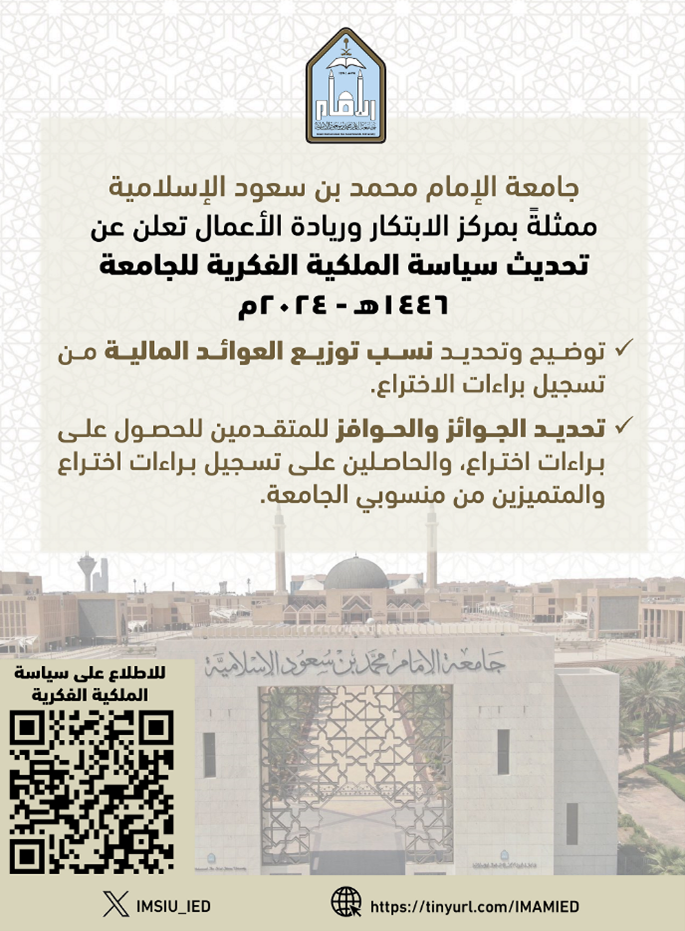
- Announcement
of the Updated Policy by IMSIU:
https://units.imamu.edu.sa/deanships/gce/Pages/intellectuall.aspx
IMSIU Intellectual Property Policies
This policy provides a clear framework for the
protection, management, and commercialization of intellectual property created
by the university’s faculty, researchers, and students, thereby supporting
innovation, safeguarding creators’ rights, and strengthening IMSIU’s
contribution to knowledge-based economic development.
Principles,
Scope, and Objectives of the Intellectual Property Policy:
First:
Policy Principles
- The policy shall comply with the relevant laws and regulations
applicable in the Kingdom of Saudi Arabia.
- It shall not conflict with treaties and international agreements to
which the Kingdom is a party.
- Effective and necessary measures shall be taken to safeguard the
university’s intellectual property rights.
- Innovation shall be supported, empowered, and effectively utilized.
- The policy shall support and achieve the objectives set forth in the
university’s strategic plan, while enhancing its academic, research, and
societal standing.
- The intellectual property rights of external entities shall be
respected and upheld.
Second:
Policy Objectives
- Establish a clear vision for the university and its partners regarding
ownership of intellectual outputs from joint projects, including related
economic and commercial rights, while defining the authorized entities to
manage such rights.
- Enable the ownership and transfer of technology in ways that stimulate
the creation of new companies and attract knowledge-based economic
opportunities.
- Develop the general principles and guidelines that direct the
university in formulating its policies.
- Increase awareness of national legislation and regulations related to
the protection and enforcement of intellectual property rights.
- Safeguard the intellectual property rights of the university, its
affiliates, and its collaborators.
- Promote scientific research and technological development, motivating
researchers by providing a supportive environment for generating intellectual
property.
- Protect the university from intentional or unintentional infringements
on the intellectual property rights of others, avoid legal disputes and
financial burdens, and preserve the university’s reputation before external
stakeholders.
IMSIU’s
Overarching Approach to Intellectual Property Utilization:
In general, IMSIU
seeks to leverage the outcomes of its scientific research and direct them
toward maximizing the value of intellectual assets with high economic
potential. This approach can be outlined as follows:
- IMSIU actively safeguards the intellectual property of inventions and
innovations produced by its faculty, staff, students, and affiliates. The
university also protects innovations and inventions acquired by any means,
ensuring their use in advancing institutional objectives.
- The university provides the necessary resources to implement this
policy in line with internationally recognized best practices in intellectual
property protection and management.
- IMSIU seeks to utilize its intellectual property rights to enhance the
Kingdom of Saudi Arabia’s standing in the field of intellectual property
through the rights it owns, develops, or acquires.
- The university respects the intellectual property rights of external
entities in all its activities.
- In cases where IMSIU relinquishes rights to an invention, literary
work, or any other form of intellectual property, or grants a license for its
use under this policy, the beneficiary or licensee may be the inventor or
innovator themselves.
- IMSIU ensures compliance with the provisions of treaties, international
agreements, and conventions on intellectual property to which the Kingdom of Saudi
Arabia is a party, as well as with local regulations enacted by royal decrees
related to intellectual property.
The
Role of the Deanship of Scientific Research:
https://units.imamu.edu.sa/deanships/SR/profile/Pages/default.aspx
IMSIU is
recognized as one of the leading academic institutions in the fields of Islamic
and human sciences, with particular distinction in Sharia studies.
Acknowledging the importance of scientific research in this domain, the
university established a Research Center as early as 15
Shawwal 1397 AH (1977 CE), during its fifth academic cycle, to oversee
research activities.
This demonstrates
IMSIU’s strong commitment to research, as it was among the pioneers in
establishing a Deanship of Scientific Research well before the
unified national system mandated the creation of research deanships across
Saudi universities. The Deanship’s primary objectives include:
- Developing a research environment and infrastructure aligned with
international standards.
- Providing statistical services and consultations to support research
units and scholars within the university.
- Expanding scientific publishing opportunities for graduate students,
scholarship recipients, and faculty in high-impact journals and reputable
publication outlets locally and globally.
- Enhancing faculty research capacities through training, incentives, and
rewards for producing high-quality publications.
- Enriching scientific research and supporting excellence in global
publishing through collaboration with international experts.
- Increasing interdisciplinary research output and fostering a culture of
collaborative research groups.
- Supporting joint research collaborations with leading research institutions,
scholars, and scientists both nationally and internationally.
- Raising the quality of research outputs to meet global standards.
- Advancing research in fields aligned with national priorities and Saudi
Vision 2030.
- Securing sustainable financial
resources to support scientific research.
Faculty Research Output:
https://units.imamu.edu.sa/deanships/SR/researchOutputs/scientific_production/Pages/default.aspx
IMSIU strongly supports the scientific output of its faculty
members, with the Deanship of Scientific Research dedicating an entire section
on the university’s official website to showcase this productivity. The page
includes:
- An annual overview of the volume of research published
in peer-reviewed journals, both locally and internationally.
- Diverse indexing categories (such as Scopus and Web of Science) that highlight
the quality of publications and the breadth of research fields.
- Indicators of internal and external research collaboration
among faculty and researchers, reflecting academic interaction and knowledge
exchange.
- Classification of research outputs by colleges and disciplines, supplemented with
citation metrics and international recognition.
Reflecting these
efforts, the platform provides up-to-date statistics through 2025,
demonstrating the university’s cumulative progress in knowledge production. It
also displays the tools and platforms used for data collection, ensuring
transparency to the academic community and relevant stakeholders. This
reaffirms IMSIU’s commitment to enhancing research performance and
strengthening its academic reputation both locally and internationally.
Faculty
Research Outputs Aligned with the Sustainable Development Goals (SDGs):
https://units.imamu.edu.sa/deanships/SR/researchOutputs/Pages/FRO-SDGs.aspx
IMSIU places
strong emphasis on research outputs that directly contribute to the United
Nations Sustainable Development Goals (SDGs). This commitment is
demonstrated through the following initiatives:
- Providing a dedicated webpage showcasing research
outputs explicitly linked to the SDGs, including studies addressing issues of Peace,
Justice, and Strong Institutions (SDG 16), and highlighting their
societal and economic impacts locally and globally.
- Documenting the annual volume of SDG-related publications
in the university’s databases and publishing platforms, with a clear focus on
quality, rigor, and alignment with sustainable development requirements.
- Organizing workshops and training programs focused on
preparing and publishing SDG-related research, reflecting the Deanship’s
commitment to directing scientific research toward advancing Saudi Vision 2030
and fulfilling the UN SDGs.
Research Indicators:
https://units.imamu.edu.sa/deanships/SR/researchOutputs/Pages/RIs.aspx
Through its
Deanship of Scientific Research, IMSIU places strong emphasis on a set of Research
Indicators designed to systematically measure and enhance the
university’s research performance. These indicators include:
- Number of Research Papers published in peer-reviewed international and local
journals, with a focus on areas of significant scientific and societal impact.
- Citation Rates of published research, reflecting the quality, relevance, and academic
influence of IMSIU’s scholarly output.
- Collaborative Research with external partners—both local and
international—promoting interdisciplinarity and knowledge exchange.
- Patents and Intellectual Property Rights registered by the university, showcasing IMSIU’s
support for applied innovation and its formal documentation.
- Research Funding—both internal and external—allocated to support
projects, including those directly linked to the Sustainable Development Goals
(SDGs).
- Conferences and Workshops organized or attended by the university to foster
knowledge dissemination and professional exchange.
Collectively,
these indicators serve as a strategic and monitoring framework
for assessing IMSIU’s academic progress and research excellence. They also
identify strengths and highlight opportunities for improvement, thereby guiding
the university’s broader research agenda.
IMSIU Strategic Plan of the Deanship of Scientific
Research (2021–2025):
IMSIU
Strategic Plan of the Deanship of Scientific Research
The strategic plan
of the Deanship of Scientific Research at IMSIU (2021–2025) focuses on
fostering a comprehensive research environment built upon three main pillars:
- Enhancing the Quality and Efficiency of Scientific
Output – by supporting publication
in highly ranked, peer-reviewed journals.
- Promoting Collaborative Research – through the encouragement of multidisciplinary
research teams.
- Providing Targeted Support for Researchers – including faculty and students, via innovative
funding pathways such as the recently launched IMSIU Research Groups
Support Track (May 2025).
IMSIU
Research Groups Support Track
This strategy reflects the Deanship’s commitment to achieving research excellence, through systematic processes
that support innovation, thought leadership, and capacity-building. It
ultimately contributes to strengthening the university’s regional and
international standing. 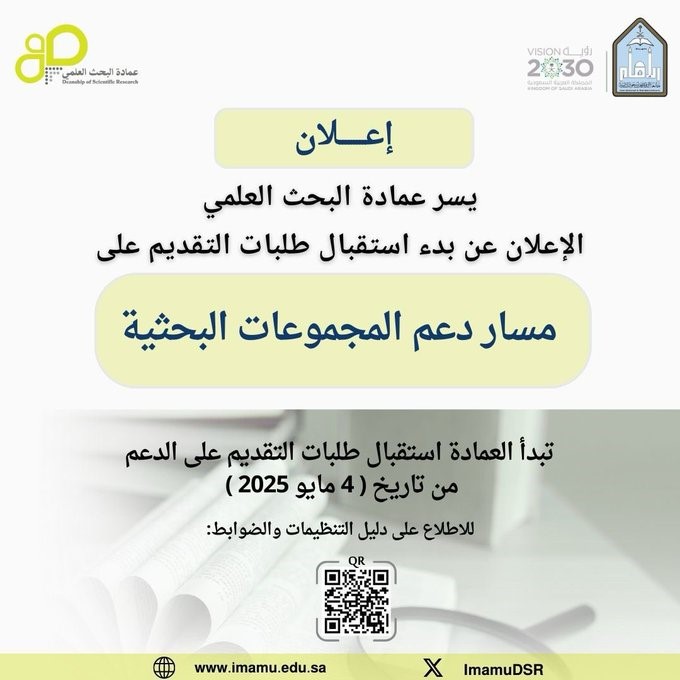
Training Programs:
https://units.imamu.edu.sa/deanships/SR/Training/Pages/training.aspx
IMSIU places great emphasis on developing the research skills of its
community. The Deanship of Scientific Research regularly organizes specialized
training programs and workshops designed to strengthen the capabilities of
faculty members and graduate students in areas such as academic writing,
publishing in high-impact journals, and managing references and scholarly
citations.
These initiatives reflect the university’s commitment to enhancing the quality
of research output and fostering a robust academic environment aligned with
international standards. They also contribute to advancing the
objectives of Saudi Vision 2030, particularly in the domains of
innovation and knowledge creation.
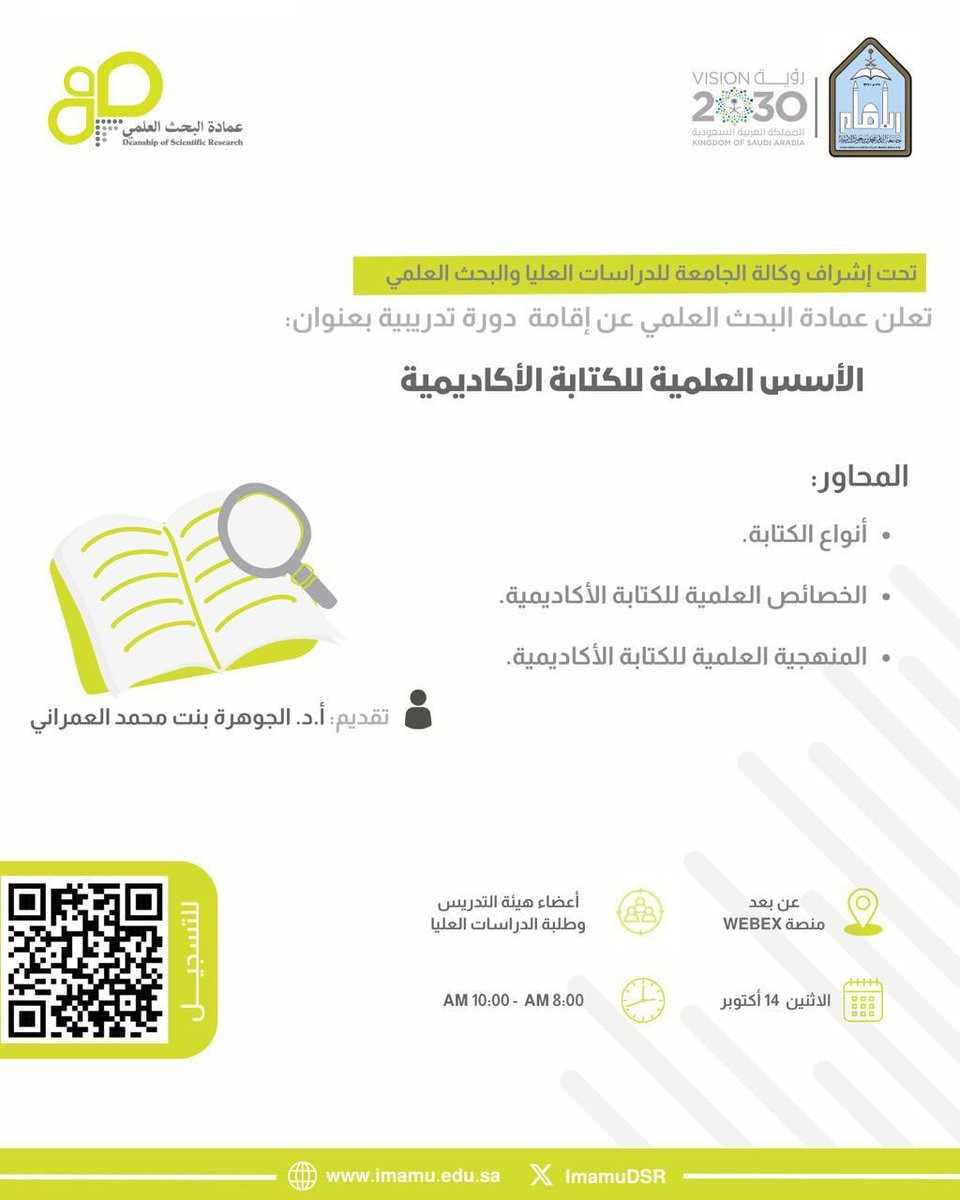
For example, the Deanship organized a training course entitled “The
Scientific Foundations of Academic Writing”, delivered by Dr. Al-Jawhara
Al-Omrani on Monday, 11/4/1446H, as part of a series of professional
development workshops offered to IMSIU faculty and graduate students.
https://units.imamu.edu.sa/deanships/SR/news/Pages/news14_10_2024.aspx
Scientific Courses, Lectures, and Events – Academic Year 1445H
Opening Nominations for the Research Excellence Award
and Global Publication Incentives:
https://units.imamu.edu.sa/deanships/SR/rs/pi/Pages/academic_excellence.aspx
IMSIU demonstrates
a strong commitment to fostering a competitive and motivating research
environment by launching new cycles of the Research Excellence Award
and the Global Publication Incentives Program, designed to
encourage faculty and researchers to pursue high-quality scientific
contributions.
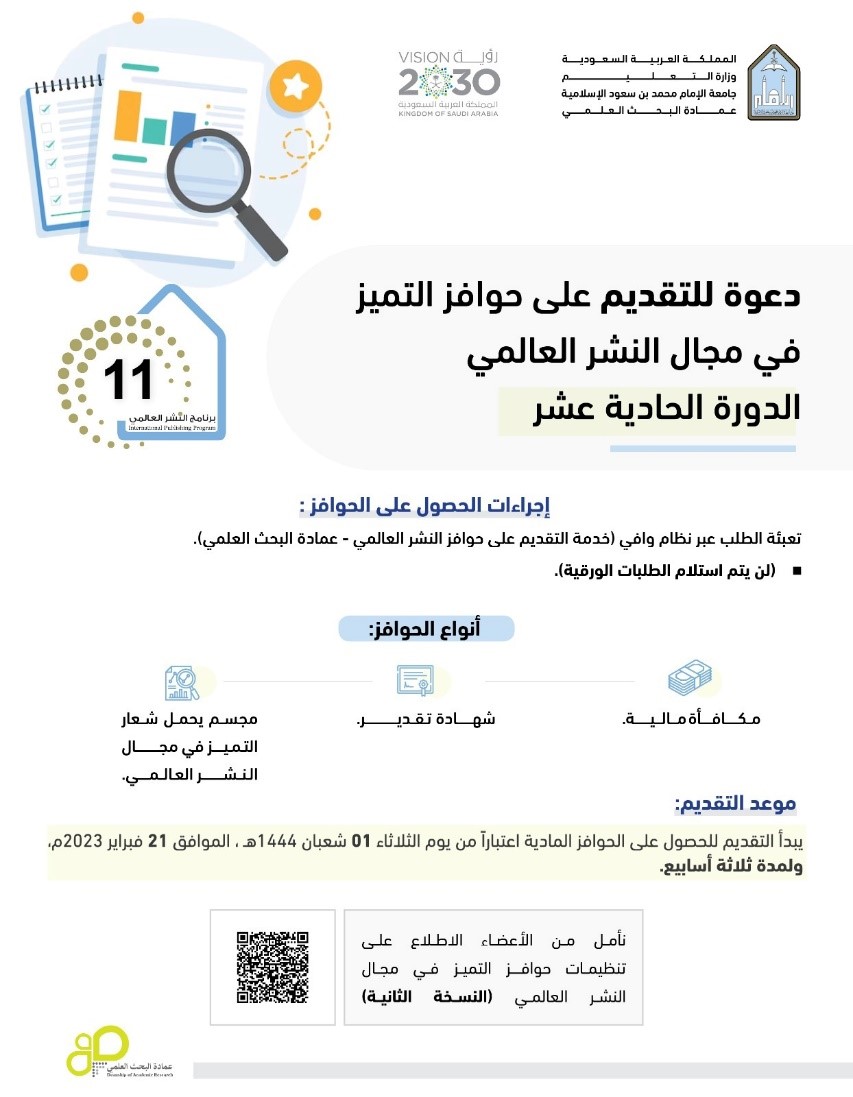
- The Deanship of Scientific Research publishes open calls for
nominations on its official website. For example, in February
2023, the 11th cycle of the Global Publication Incentives and the
Research Excellence Award was announced, reflecting the university’s ongoing
commitment to supporting world-class research.
https://units.imamu.edu.sa/deanships/SR/announcements/Pages/news96.aspx - The Deanship provides a comprehensive guide detailing
the eligibility criteria and evaluation mechanisms for both the award and the
incentives. This underscores the university’s structured and professional approach
to supporting researchers and promoting their publications at an international
level. The official Regulations for Excellence Incentives in the Field
of International Publication can be accessed here:
Regulations for Excellence Incentives in the Field of
International Publication
These practices
affirm IMSIU’s dedication to raising the standard of scientific performance
among its academic community, supported by an effective digital platform that
aligns with its strategic goals and contributes to the national
objectives of Saudi Vision 2030.
The evidence
presented above demonstrates IMSIU’s clear commitment to academic
freedom, with concrete measures supporting the rights of faculty and
students to pursue and disseminate knowledge:
- Institutional Intellectual Property Policy: IMSIU’s Intellectual Property Policy explicitly
safeguards freedom in scientific research, publication, and expression within
regulatory and legal frameworks. This reflects the university’s commitment to
knowledge dissemination and respect for the intellectual rights of its
community and external partners.
- Institutionalized Research Councils and Chairs:
IMSIU Research Chairs Portal
The
establishment of research councils and endowed chairs provides independent
academic platforms for scholars to express their ideas. For instance, IMSIU’s
decision (Resolution No. 3/1405H) to create the Deanship of Scientific Research
highlights the importance of an academic structure that ensures researcher independence
and research integrity without undue interference.
- Diverse Scholarly Output: The breadth of publications across IMSIU’s
accredited journals—including works addressing intellectual and social
reform—demonstrates the university’s encouragement of researchers to select
topics freely and to disseminate their findings through teaching, research, and
public discourse in accordance with academic standards.
Collectively,
IMSIU’s regulatory framework, the presence of independent
research bodies, and its support for intellectual property
represent practical safeguards of academic freedom—both in the freedom
to choose research topics and in the freedom to teach and
publish them publicly.
Alignment
with IMSIU Strategic Plan:
IMSIU’s commitment to supporting academic freedom is directly aligned
with the university’s Strategic Plan, particularly Strategic Goal 5:
Enriching Scientific Research and Innovation in Support of National Development
and Saudi Vision 2030, and Pillar 3: Excellence in Research, Innovation,
and Knowledge.
The plan emphasizes enabling researchers to freely select their areas of
study, fostering an environment that stimulates creativity, encouraging
scholarly publication, supporting participation in academic conferences, and
strengthening a culture of independent research and teaching.
This strategic orientation provides clear evidence of IMSIU’s
institutional policy on academic freedom, encompassing the freedom to choose
research fields, publish results, and actively engage in academic and educational
discourse—fully consistent with international standards of leading research
universities.
Publication of
University Financial Data
IMSIU recognizes financial transparency as a cornerstone of
institutional governance and is firmly committed to publishing its financial
data on a regular and public basis, in line with both national and
international disclosure standards. This approach reflects the university’s
dedication to strengthening trust with the academic community and relevant
stakeholders, upholding the principles of accountability and financial
oversight, and ensuring spending efficiency. It also directly contributes to
advancing the objectives of Saudi Vision 2030.
This section will highlight key evidence demonstrating IMSIU’s commitment
to the publication and accessibility of its financial data.
Launch of the Data Sharing Service:
https://units.imamu.edu.sa/deanships/it/dmo/news/Pages/NEWS10.aspx
In line with its
strong commitment to transparency, IMSIU—through the Deanship of Information
Technology and E-Learning, represented by the Data Management Office—has
launched a Data Sharing Service with external entities via the
WAFI public services platform http://iu.sa/Fx8a5. This initiative aims to streamline requests for data
sharing and provide faster, more efficient access to information.
The service responds to the growing need for platforms that facilitate
secure and effective data exchange between different parties, without
compromising privacy or data security. It ensures integration across government
entities, reduces data duplication and inconsistencies, and guarantees access
to accurate data from official sources.
Furthermore, this initiative reflects IMSIU’s careful balance between
the necessity of data sharing and the potential risks associated with it. It
safeguards university data, prioritizes the use of accredited and secure
sharing channels, and protects the confidentiality of sensitive
information—while ultimately serving the public interest and supporting
national priorities.
Policies of the
Data Management Office at IMSIU:
https://units.imamu.edu.sa/deanships/it/dmo/Pages/OpenData/default.aspx
General
Administration of Procurement and Tenders:
- Quality Policy:
https://units.imamu.edu.sa/administrations/Tender/profile/Pages/policy.aspx
The General
Administration of Procurement and Tenders at IMSIU is committed to
achieving the highest standards of quality in all procurement
and tendering processes. This policy ensures that the university obtains the best
products and services at the most competitive prices, while fully
meeting the needs and expectations of beneficiary departments. The quality policy
is guided by principles of efficiency, transparency, fairness, and
value-for-money procurement practices.
Key objectives of
the policy include:
- Ensuring compliance with Saudi government procurement
regulations.
- Promoting transparency and fairness in all competitive bidding
processes.
- Enhancing efficiency in procurement workflows to support academic and
administrative units.
- Strengthening partnerships with reliable suppliers and service
providers.
- Implementing continuous improvement practices in tendering and contract
management.
Quality Policy of the General
Department of Purchasing and Tenders
Quality Policy – General Administration
of Budget:
https://units.imamu.edu.sa/administrations/budget/Pages/QualityPolicies.aspx
Alignment with IMSIU
Strategic Plan:
IMSIU’s commitment to publishing its financial data is directly aligned
with the university’s Strategic Plan, particularly Strategic Goal 6:
Enhancing Governance, Transparency, and Accountability, which stems from Pillar
1: Institutional Excellence.
Financial transparency is considered a core pillar in strengthening
institutional performance efficiency. IMSIU supports this commitment by
regularly publishing details of projects and financial data through its
official portals. This practice not only reinforces stakeholder trust—both
internal and external—but also embodies the principles of good governance,
fully aligned with the ambitions of Saudi Vision 2030.
University
Engagement in Government Policy and Advisory Roles
Provision of Specialized
Advice to Government:
As part of its academic and societal mission, IMSIU is committed to
playing an active role in capacity building and skills development for policymakers
and legislators. This is achieved through dedicated programs and
initiatives that provide education, awareness, and specialized training in key
areas such as law, economics, technology, and climate change.
This commitment aligns with the university’s strategic objectives
and Saudi Vision 2030, emphasizing IMSIU’s role as a partner in shaping
evidence-based policy and addressing both national and global challenges. The
university actively strengthens this role through strategic partnerships,
as well as organizing conferences, policy dialogues, and training workshops
that enhance policymakers’ knowledge and ability to respond effectively to
emerging issues.
The following section will present selected evidence and case studies
showcasing IMSIU’s impact in providing expert advice and guidance to local,
regional, and national government entities:
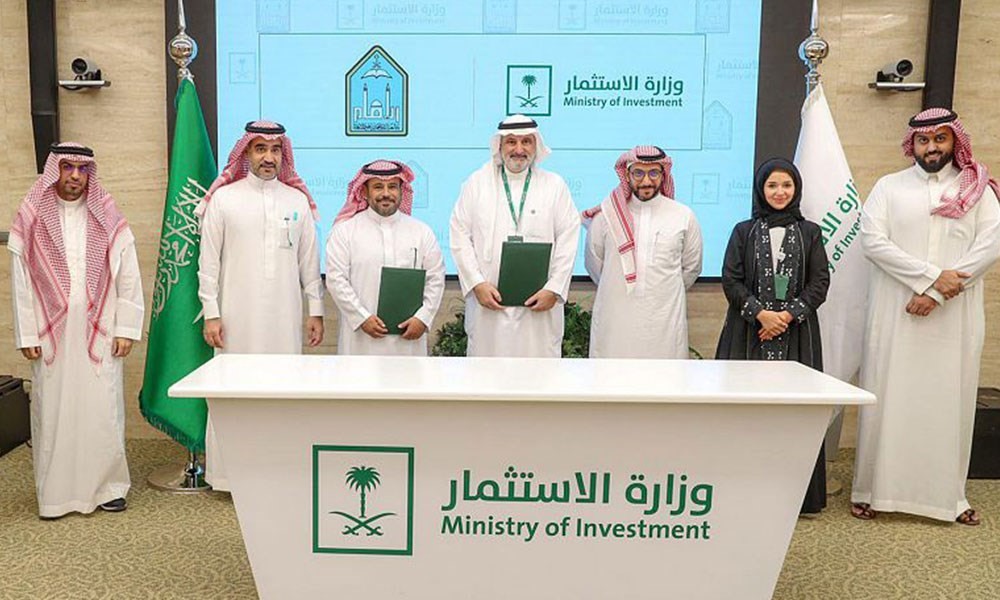
- MoU with the Saudi
Ministry of Investment:
https://www.awalan.com/Article/15789
IMSIU signed a Memorandum of Understanding
(MoU) with the Saudi Ministry of Investment, establishing a
framework for technical and scientific consultation in the
fields of investment and opportunity development.
Key areas of collaboration include:
- Providing expert advice and technical consultations to support national
investment initiatives.
- Extending invitations for joint participation in events, exhibitions,
conferences, and training programs of mutual interest.
- Organizing joint workshops and forums to exchange expertise and foster
cooperation.
- Supporting training and professional development
opportunities in the fields of investment and entrepreneurship.
- Developing postgraduate academic programs (including
higher diploma, master’s, PhD, and executive master’s programs) tailored to the
Ministry’s needs and priority areas.
This partnership highlights IMSIU’s role as a
strategic national partner in capacity building, professional
training, and policy-oriented academic program design, thereby contributing to Saudi
Vision 2030 and reinforcing the university’s mission in serving the
national economy.
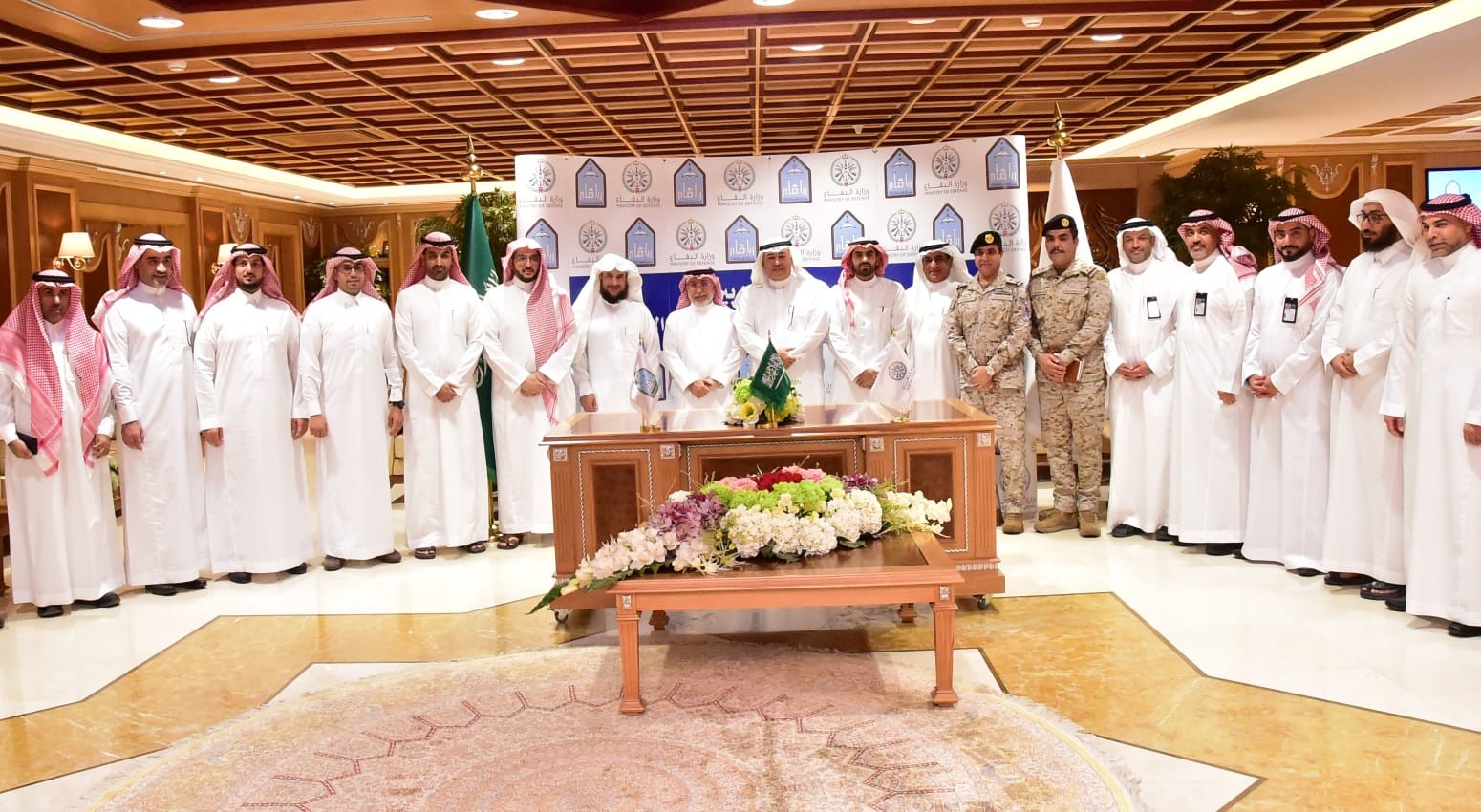
- MoU with the Saudi Ministry of Defense:
https://imamu.edu.sa/news/pages/news_10_10_2023_7.aspx
IMSIU signed a Memorandum
of Understanding (MoU) with the Saudi Ministry of Defense
aimed at strengthening partnership and cooperation between the two
institutions.
The agreement
seeks to:
- Provide scientific and technical consultations in
priority areas.
- Engage IMSIU’s faculty and experts in designing capacity-building
programs and exchanging expertise in security empowerment.
- Apply best practices in education and training to
foster human capital development for both parties.
- Promote joint collaboration through a range of educational,
training, academic, and technical consultancy programs, as well as
conducting specialized studies to support the Ministry of Defense.
- Contribute to the dissemination and enhancement of knowledge
in fields of mutual interest.
The signing
ceremony took place at IMSIU’s main campus in Riyadh, with Prof. Dr.
Ahmad bin Salem Al-Ameri, Rector of IMSIU, representing the
university, and Dr. Khalid bin Hussein Al-Bayari, Assistant Minister of
Defense for Executive Affairs, representing the Ministry of Defense.
This MoU
underscores IMSIU’s strategic role as a knowledge partner for national
security and defense institutions, supporting capacity building,
innovation, and applied research in alignment with Saudi Vision 2030.
- Collaboration with the General Directorate of Prisons:
https://imamu.edu.sa/news/Pages/news_5_2_2025_02.aspx
IMSIU has
established a strategic collaboration with the General Directorate of
Prisons to provide undergraduate programs through e-learning
for inmates. This initiative aims to:
- Enable prison inmates to continue and complete their higher education
during their sentences.
- Offer inclusive educational opportunities that contribute to rehabilitation
and reintegration into society.
- Support the national agenda of the Kingdom of Saudi Arabia under the
directives of the Custodian of the Two Holy Mosques and His Royal Highness the
Crown Prince, to ensure access to education for all segments of society.
- Reflect IMSIU’s strong commitment to social responsibility,
ensuring that inmates benefit from quality education and a supportive learning
environment.
This partnership
demonstrates IMSIU’s role in advancing justice, rehabilitation, and
inclusive education, fully aligned with SDG 16 (Peace,
Justice, and Strong Institutions), while contributing to the
realization of Saudi Vision 2030 objectives on human capital
development and social reintegration.
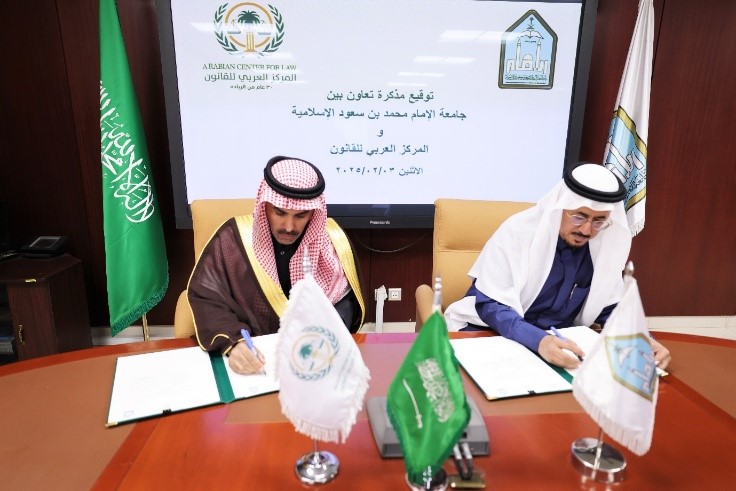
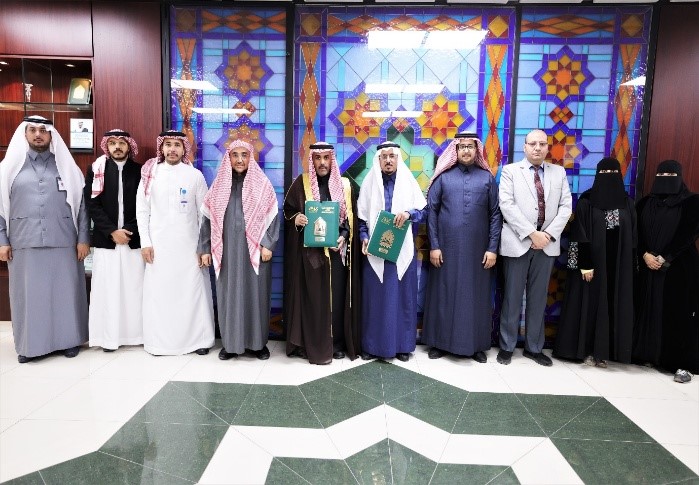
- Cooperation Agreement with the Arab Center for Law:
https://imamu.edu.sa/news/Pages/news_3_2_2025-01.aspx
On 3
February 2025, Imam Mohammad Ibn Saud Islamic University (IMSIU)
signed a Memorandum of Cooperation with the Arab
Center for Law for Advocacy and Legal Consultancy. The agreement aims
to:
- Provide specialized legal expertise and advisory support
across various fields.
- Launch legal initiatives sponsored by the university
to enhance the practice and application of law.
- Establish a framework for joint academic, research, and
professional activities, including conferences, symposia, and
workshops.
- Facilitate the exchange of knowledge, digital resources, and
educational materials to support capacity building.
- Engage in collaborative institutional planning and excellence
initiatives, benefiting both academic and legal sectors.
The agreement was
signed by Dr. Naif bin Mohammed Al-Otaibi, Vice Rector for Graduate
Studies and Scientific Research, on behalf of IMSIU, and Dr.
Hadi bin Ali Al-Yami, Chairman of the Arab Center for Law,
representing the company.
Through this
partnership, IMSIU seeks to strengthen its role as a leading academic
institution in legal studies and advisory services, while providing an
advanced educational and research environment that meets societal needs. This
initiative highlights IMSIU’s contribution to policy guidance, legal
expertise, and institutional development, in direct alignment with SDG
16 (Peace, Justice, and Strong Institutions) and Saudi Vision
2030.
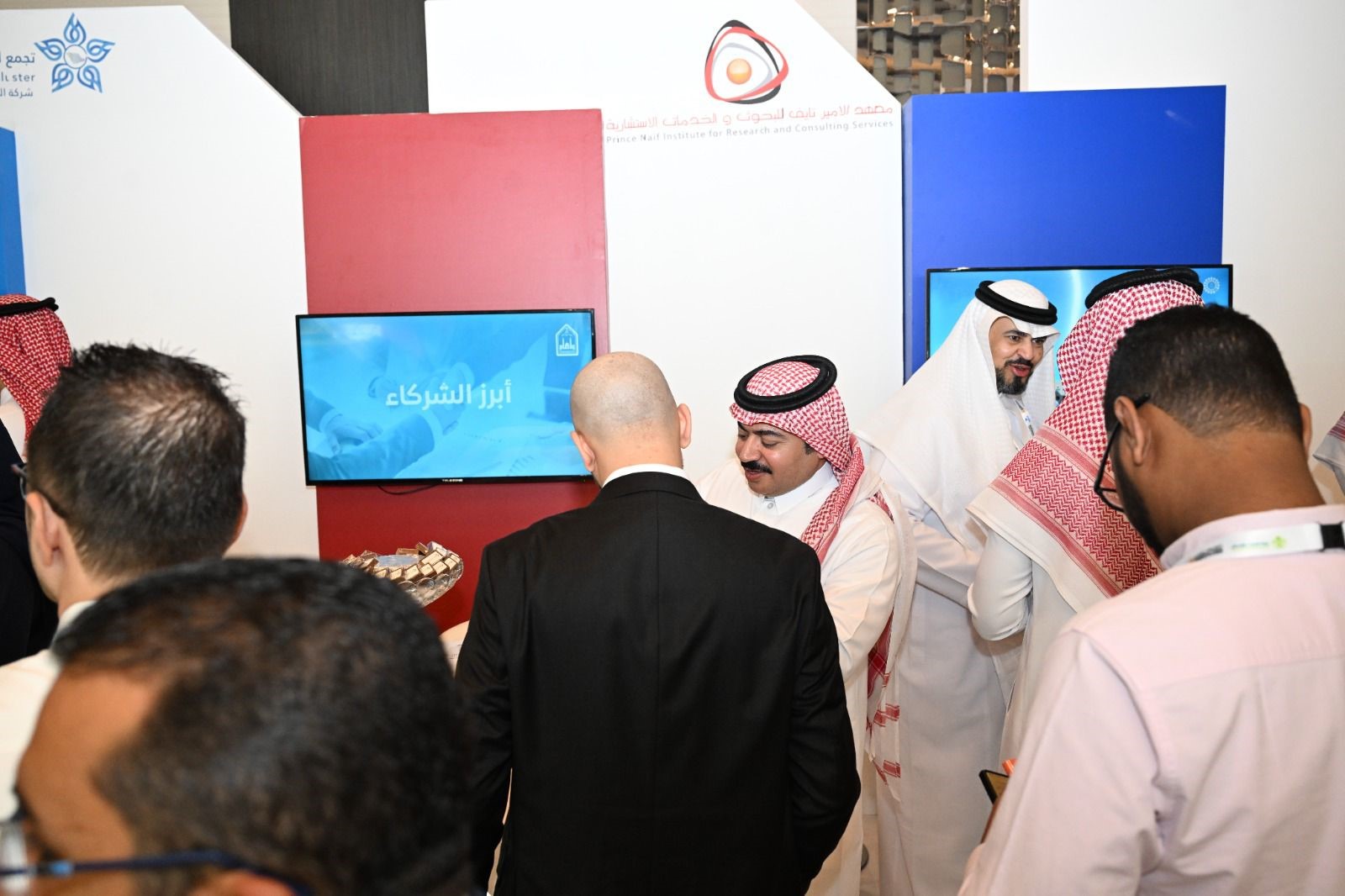
- Participation of Prince
Naif Institute for Research and Consulting Services in the Global Project
Management Forum (GPMF):
https://imamu.edu.sa/news/Pages/news-18_5_2025_03.aspx
The Prince
Naif Institute for Research and Consulting Services at IMSIU
participated in the Global Project Management Forum (GPMF),
held on 18–19 May 2025 at the Fairmont Hotel in Riyadh. The
institute was represented with a dedicated booth in the accompanying
exhibition, under the supervision of Dr. Suleiman bin Abdullah
Al-Sogair, Dean of the Institute, alongside the Business Development
team.
The participation
aimed to:
- Strengthen the institute’s institutional presence in specialized
international forums.
- Promote its portfolio of training and consultancy services,
highlighting its expertise in project management and implementation for both
government and private sector entities.
- Showcase IMSIU’s role as a national knowledge hub,
contributing to professional capacity building and evidence-based consultancy.
- Expand professional networks and partnerships with project leaders and
investors, directly supporting the objectives of Saudi Vision 2030.
As a nationally accredited center of expertise,
the Prince Naif Institute leverages IMSIU’s academic resources to deliver
reliable, scientifically grounded consulting services. This engagement
highlights the university’s contribution to institutional performance
development across sectors and reinforces its commitment to community service, knowledge transfer, and strategic partnerships.
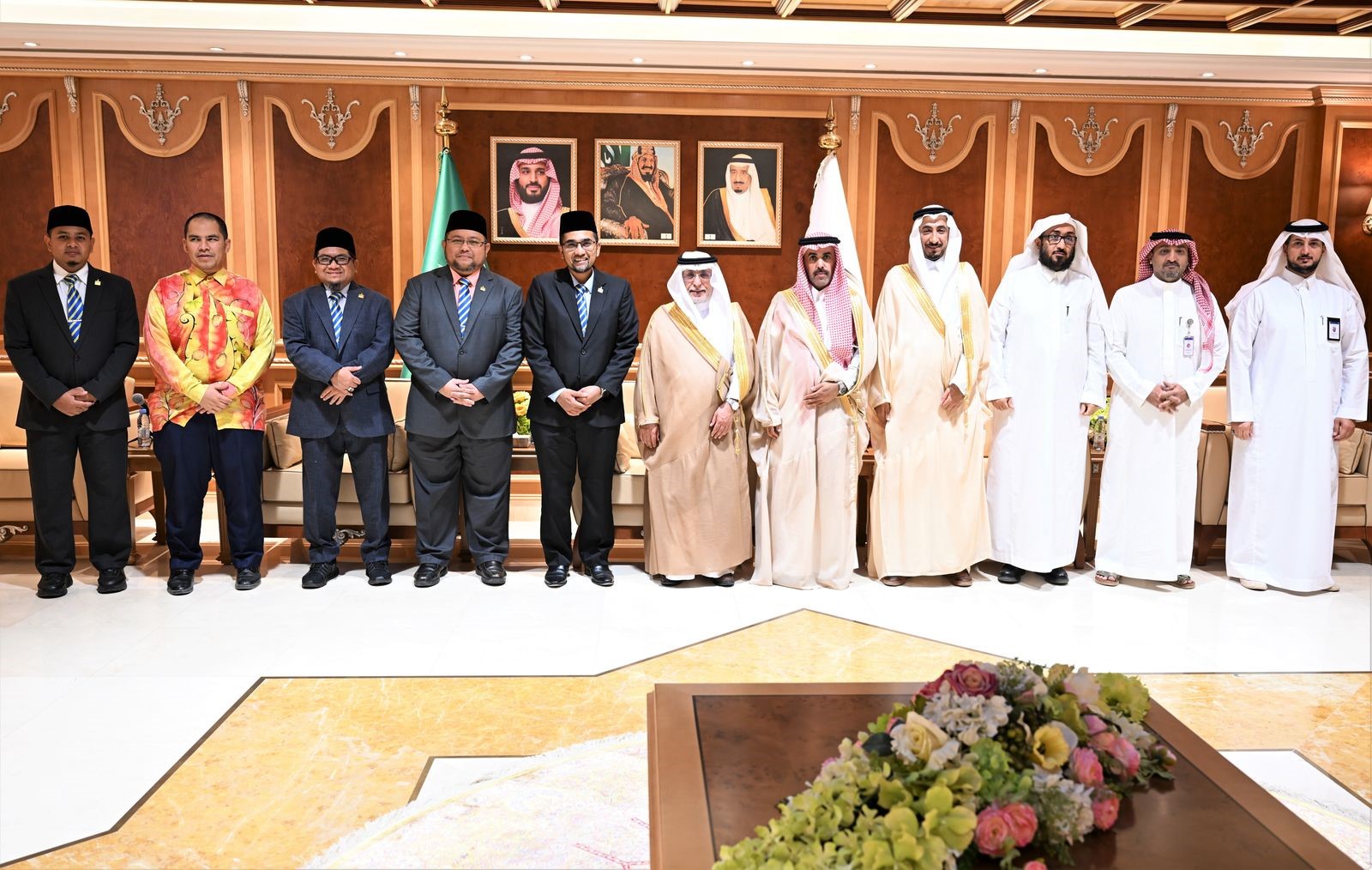
- Joint Research Projects
and Academic Collaboration with Universiti Sultan Azlan Shah (Malaysia):
https://imamu.edu.sa/news/Pages/news_10_4_2025_01.aspx
In a move to
strengthen academic and research cooperation, IMSIU welcomed a high-level
delegation from Universiti Sultan Azlan Shah (USAS), Malaysia,
led by its Rector, Prof. Dr. Mohamed Rozaimy bin Ramle,
alongside senior university officials. The visit was hosted by Prof.
Dr. Ahmad bin Salem Al-Ameri, Rector of IMSIU, in the presence of
IMSIU’s vice rectors and academic leaders.
The meeting
underscored the deep cultural and educational ties between
Saudi Arabia and Malaysia, highlighting the shared responsibility of academic
institutions in promoting cultural values and fostering mutual understanding.
Key areas of
collaboration discussed included:
- Launching joint research projects across multiple disciplines,
with a focus on long-term academic partnerships.
- Establishing student and faculty exchange programs to
enrich the academic experience and foster international cooperation.
- Developing joint academic programs at undergraduate
and postgraduate levels, including distance-learning opportunities.
- Enhancing research partnerships in specialized areas such as Islamic
studies, where IMSIU leads regionally and globally.
- Expanding cooperation in Arabic language instruction for
non-native speakers, leveraging IMSIU’s expertise.
- Facilitating access for Malaysian students to IMSIU’s programs, with
streamlined admission procedures and educational visa processes.
- Strengthening the Student Skill Record (SSR) program
to document extracurricular activities and enhance graduate employability.
- Exploring the possibility of academic twinning programs,
allowing students to begin their studies at one institution and complete them
at the other.
The Malaysian
delegation expressed enthusiasm for expanding collaboration with IMSIU as a
leading educational partner, noting their intent to offer places for
outstanding graduates and broaden exchange opportunities.
The visit
concluded with the exchange of commemorative shields, symbolizing a new phase
of partnership aimed at sustainable academic cooperation and global
outreach. This initiative reinforces IMSIU’s strategic objectives of
expanding international partnerships, advancing research collaboration, and
supporting Saudi Vision 2030.
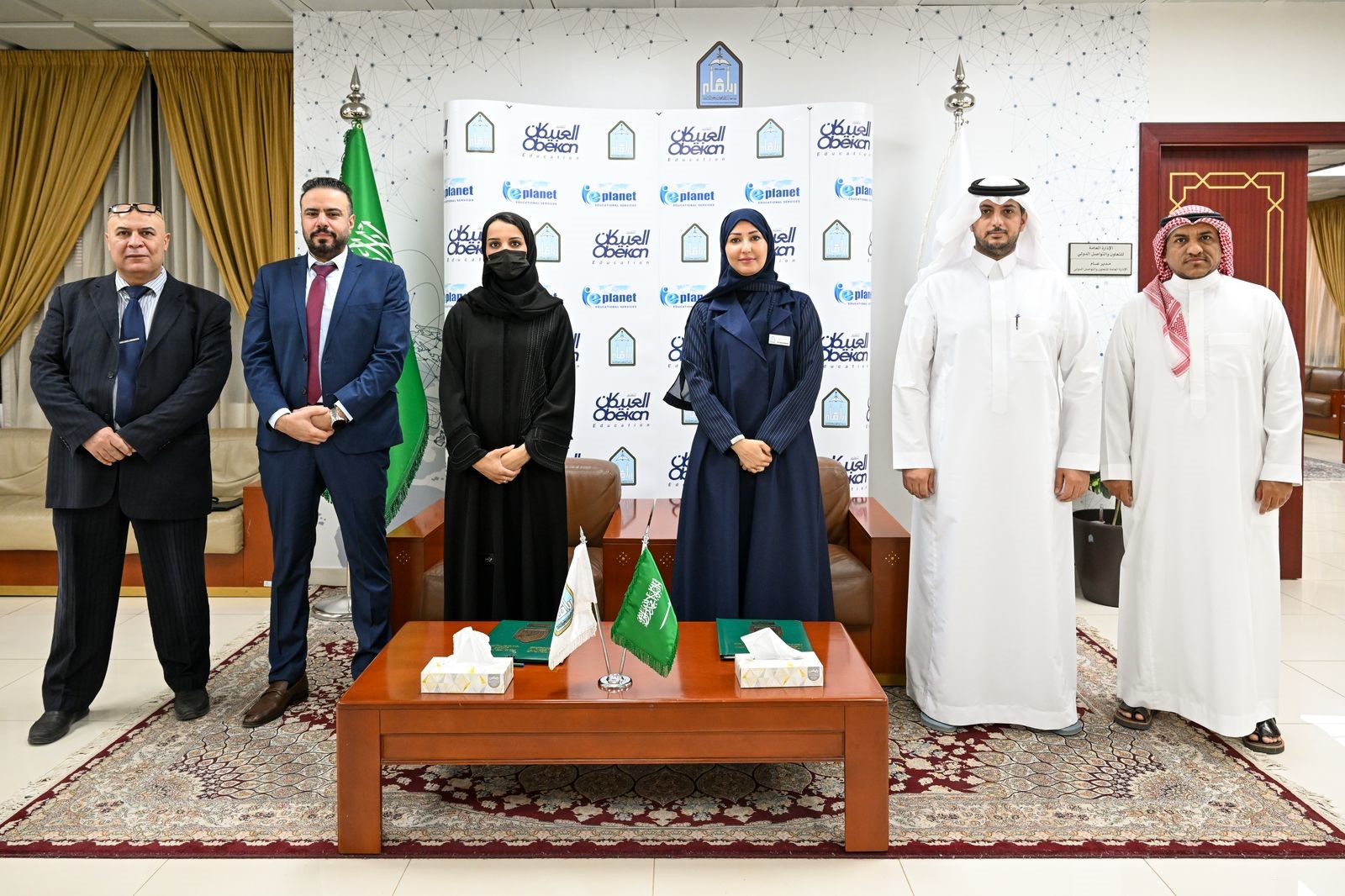
- MoU with Obeikan Education Company:
https://imamu.edu.sa/news/Pages/news_12_3_2025_01.aspx
IMSIU signed a Memorandum
of Understanding (MoU) with Obeikan Education Company
to enhance collaboration in the field of English language education.
The agreement
covers several key areas of cooperation:
- Research collaboration on innovative methods of English language teaching.
- Development of modern curricula focused on improving
English conversation skills.
- Creation of interactive digital learning content to
support both trainers and learners in blended and face-to-face learning
environments.
- Joint scientific studies and applied research to
improve best practices in English language teaching.
- Provision of digital textbooks and interactive references
to strengthen learning outcomes.
- Organization of conferences, symposia, and specialized
workshops, as well as academic knowledge exchange between the two
parties.
This MoU
represents a significant step toward achieving mutual goals by strengthening
cooperation between academic and educational institutions. It directly
contributes to improving the quality of education (SDG 4),
particularly in language learning, while fostering partnerships for
development (SDG 17).
- Discussions on Academic Cooperation
with Fatoni University (Thailand):
https://imamu.edu.sa/news/Pages/news_9_5_2025_01.aspx
As part of its
international academic and advisory role, Prof. Dr. Ahmad bin Salem
Al-Ameri, Rector of IMSIU, met with Sheikhul Islam Dr. Muhammad
Jalaluddin Bin Abdul Rahman Bunchom, Rector of Fatoni University in Thailand,
to discuss avenues of mutual cooperation.
The discussions
focused on:
- Strengthening research collaboration and academic
supervision between the two universities.
- Launching developmental programs for postgraduate
students to enhance their academic and professional skills.
- Cooperation in Arabic language education, including
the establishment of a specialized Arabic Language Institute in Bangkok under
IMSIU’s guidance.
- Exploring mechanisms for student and faculty exchange programs,
supporting academic mobility and cultural exchange.
- Providing academic advisory services and curriculum development support
for Fatoni University’s programs, particularly in the field of Islamic education.
This engagement
underscores IMSIU’s leading role in advancing Islamic higher education
and its commitment to supporting regional partners with academic expertise,
capacity-building programs, and advisory services. It also highlights IMSIU’s
contribution to international cooperation (SDG 17) and to
promoting peace, justice, and strong institutions (SDG 16)
through academic partnerships and knowledge-sharing.
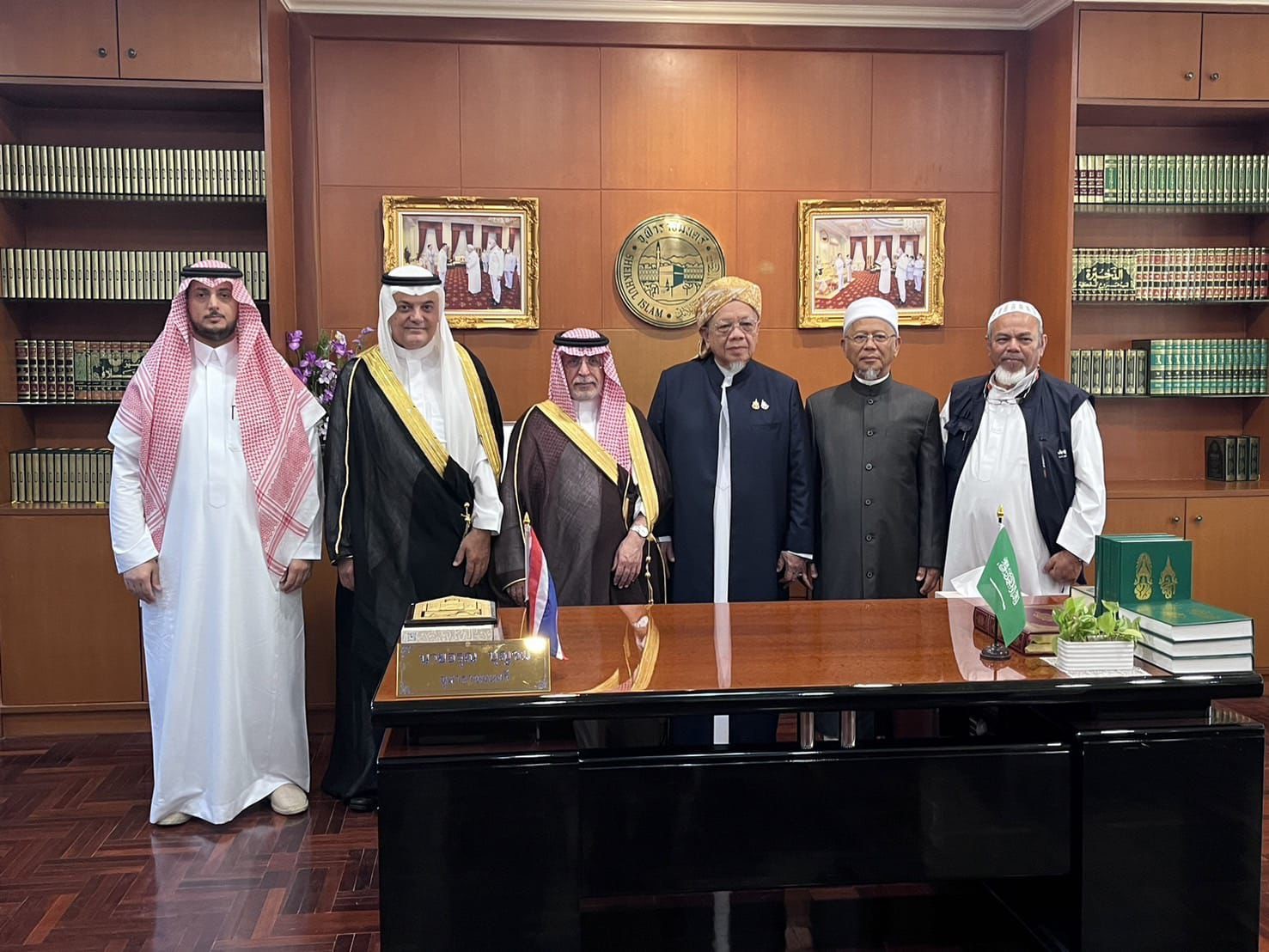
- MoU with the General Authority for Roads:
https://imamu.edu.sa/news/Pages/news_6_2_2025_02.aspx
IMSIU signed a Memorandum of Understanding (MoU)
with the General Authority for Roads,
aimed at strengthening collaboration in the field of road and transport
development.
The agreement includes:
- Providing
scientific
and technical expertise from IMSIU to support the Authority’s
projects and initiatives.
- Contributing
to research
and consultancy related to the roads and transportation sector.
- Enhancing
cooperation in developing studies and policy recommendations
to support infrastructure and policy development.
This MoU demonstrates IMSIU’s active role in
providing specialized, evidence-based advice
to a national government body. It serves as a clear example of the university’s
commitment to supporting policymakers in Saudi Arabia,
reinforcing its contribution to SDG 16 (Peace, Justice, and Strong
Institutions) and the objectives of Saudi
Vision 2030.
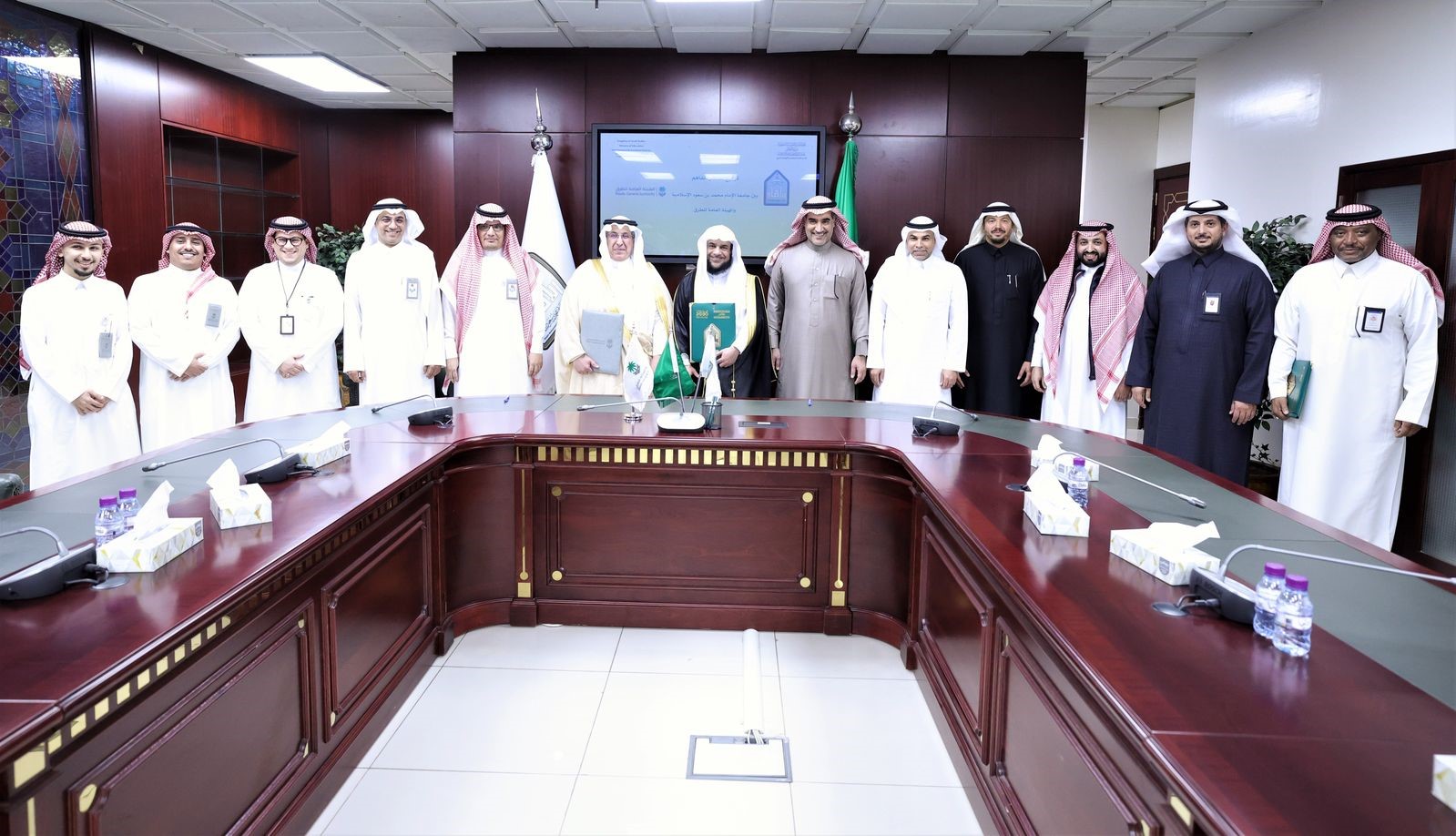
- MoU with the National Events Center:
https://imamu.edu.sa/news/Pages/news_28_4_2025_02.aspx
As part of its strategic cooperation with
government entities, IMSIU, represented by the Applied College, signed a Memorandum
of Understanding (MoU) with the National Events Center (NEC), a
government body responsible for developing and organizing the Kingdom’s
entertainment and public events sector.
The agreement aims to:
- Provide academic
and research expertise from IMSIU to support the growth of the
events sector.
- Develop training
programs and build the capacities of national professionals.
- Offer cooperative
training opportunities for students in partnership with the
NEC.
- Organize
joint
events, conferences, and workshops, contributing to the
professionalization and institutional development of the sector.
This partnership
highlights IMSIU’s role in delivering specialized advisory services and
knowledge-sharing to a national authority, thereby supporting policy-making
and sector development. It stands as a clear example of the university’s
contribution to SDG 16 (Peace, Justice, and Strong
Institutions) through advisory support, and SDG 17
(Partnerships for the Goals) by fostering national-level
institutional collaboration, in alignment with Saudi Vision 2030.
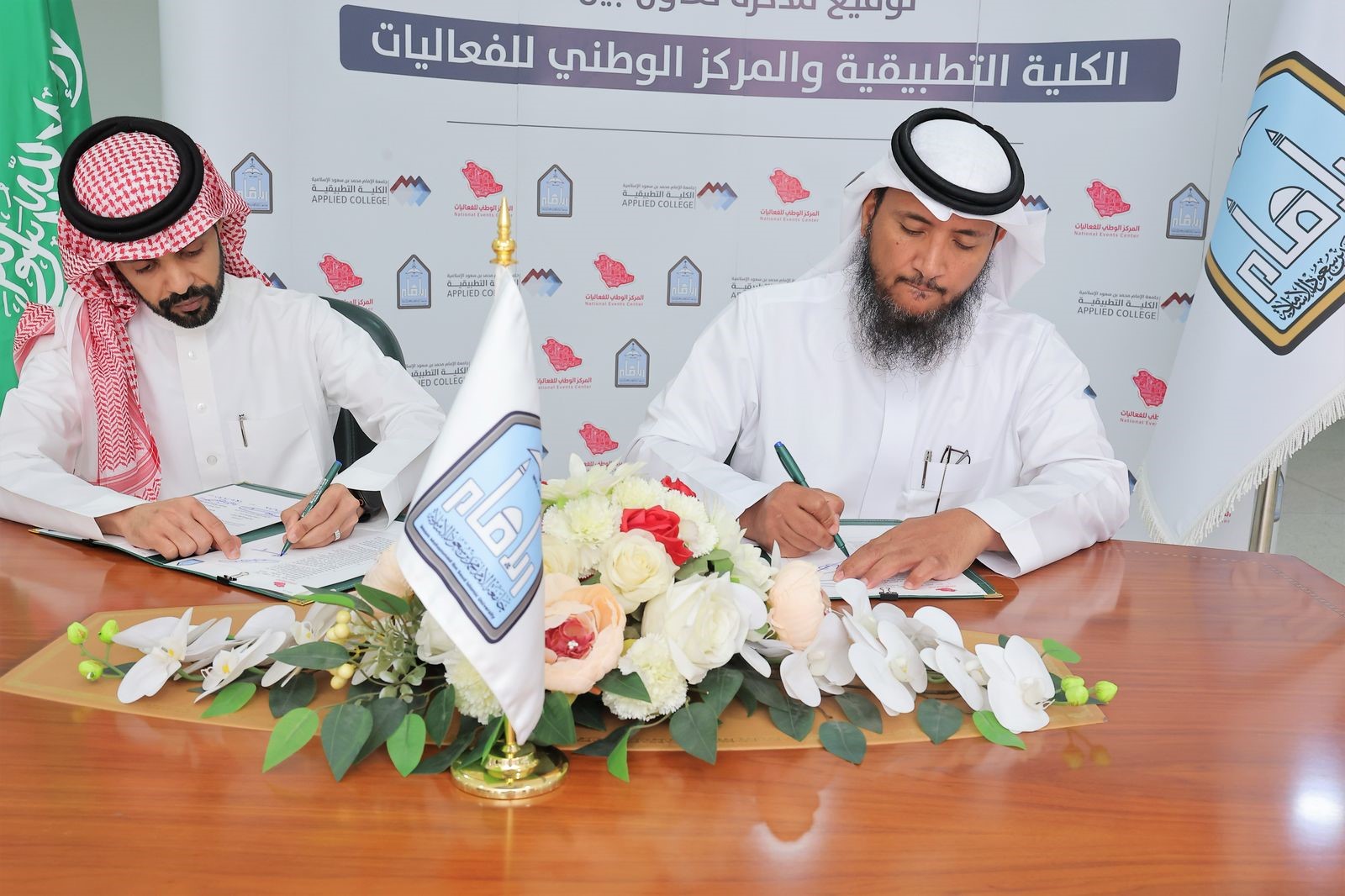
- Cooperation Agreement with Jawrah Technology
Controls Company:
https://imamu.edu.sa/news/Pages/news_25_2_2025_01.aspx
https://imamu.edu.sa/news/Pages/news_6_3_2025_01.aspx
On 25
February 2025, IMSIU signed a Memorandum of Understanding
(MoU) with Jawrah Technology Controls Company to
advance digital transformation and enhance the university’s educational and
technological environment.
The agreement
includes:
- Providing training, development, and consultancy services
to strengthen IMSIU’s digital infrastructure.
- Equipping classrooms with the latest Macintosh technologies
to modernize the teaching and learning environment.
- Facilitating cooperative training opportunities for
IMSIU students.
- Training faculty members on innovative educational applications
to integrate technology into pedagogy.
As part of this
collaboration, a delegation from Jawrah, accompanied by a representative from Apple,
visited IMSIU on 6 March 2025 to evaluate existing
technological capabilities and propose upgrades. Recommendations included:
- Establishing a media production studio at the College
of Media and Communication.
- Upgrading design and computer labs with state-of-the-art equipment.
These initiatives
demonstrate IMSIU’s structured engagement with local private-sector
partners, ensuring strategic collaboration in technological
innovation, skills development, and digital transformation. The
partnership highlights the university’s commitment to knowledge-sharing
and institutional capacity building, directly contributing to SDG
16 (Peace, Justice, and Strong Institutions) through robust governance
practices, and SDG 17 (Partnerships for the Goals) by
fostering sustainable collaborations with external stakeholders, in alignment
with Saudi Vision 2030.
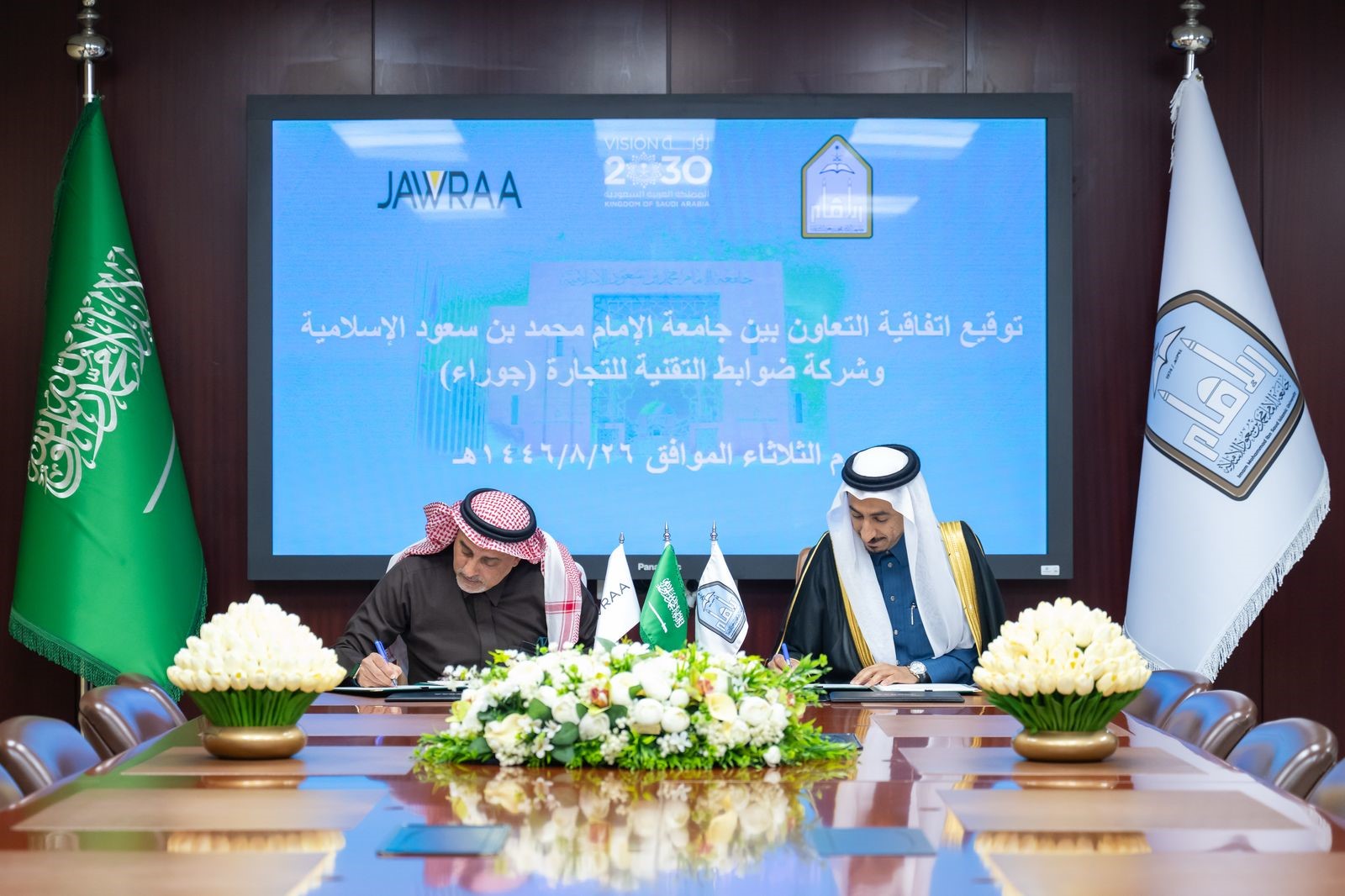
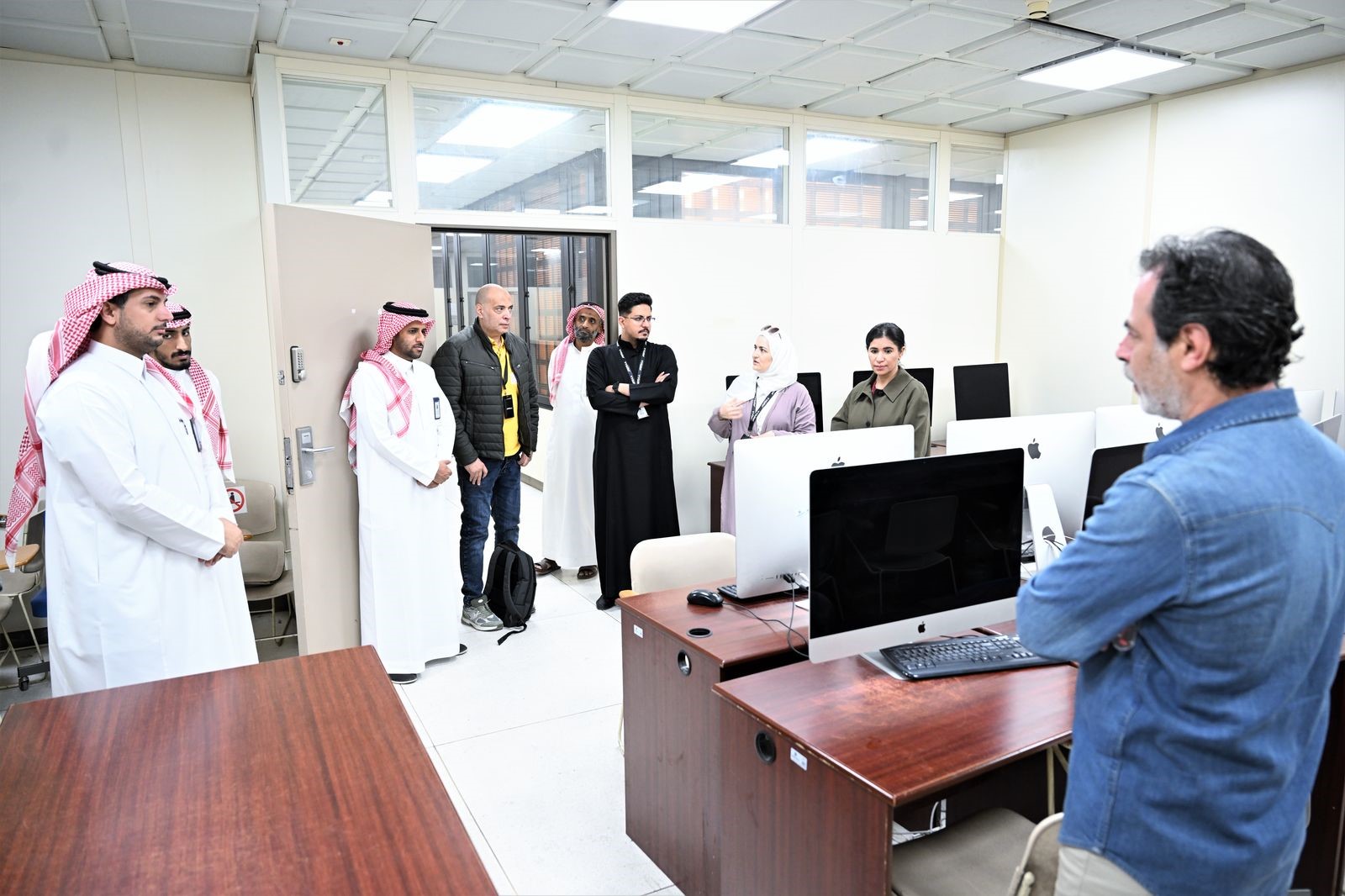
Alignment of Specialized Government Advisory with IMSIU
Strategic Plan:
The provision of
specialized scientific advice by IMSIU to government bodies is fully aligned
with the university’s Strategic Plan (2022–2026), particularly
with:
- Strategic Goal 3: Enhancing the University’s Role in Serving Local
and International Communities.
- Strategic Goal 5: Enriching Scientific Research and Innovation in
Support of National Development and Saudi Vision 2030.
These efforts also
reflect Strategic Pillar 4, which emphasizes strengthening
the university’s local and international impact through contributions to
national dialogue.
Through
participation in advisory committees, the provision of scientific evidence,
policy formulation, and support for programs in governance, cybersecurity, and
legislation, IMSIU reaffirms its social responsibility and its
active role in evidence-based national policymaking.
Outreach and Capacity-Building for Policy and Law Makers
As part of its
academic and societal mission, IMSIU is committed to an active role in
building the capacities and enhancing the skills of policymakers and
legislators through a wide range of programs and initiatives. These
efforts focus on delivering public education, awareness-raising, and
specialized training in critical areas such as law, economics,
technology, climate change, migration, and displacement.
This commitment is
fully aligned with IMSIU’s strategic objectives and the
broader framework of Saudi Vision 2030, aiming to strengthen
institutional governance, evidence-based policymaking, and national resilience.
The university
advances this mission through:
- Establishing strategic partnerships with government
entities and specialized centers.
- Organizing national and international conferences, symposia,
and training programs targeting policymakers and law makers.
- Delivering capacity-building initiatives that provide
knowledge and practical skills to address pressing national and global
challenges.
These initiatives
demonstrate IMSIU’s role as a strategic partner in policymaking and
governance, equipping decision-makers with the knowledge and tools
necessary to respond effectively to evolving challenges at both the national
and international levels.
Outreach
and Education for Policy Makers and Legislators:
IMSIU delivers
specialized training and educational programs targeting policymakers and
government sector employees in pivotal areas such as economics, technology, and
legislation.
- Collaboration with the Digital Government Authority
(DGA):
https://imamu.edu.sa/news/Pages/news_20_12_2023_01.aspx
On 20
December 2023, IMSIU signed a Memorandum of Understanding
(MoU) with the Digital Government Authority (DGA)
during the 2nd E-Government Forum held at the Ritz-Carlton, Riyadh. The MoU
aims to:
- Advance the organization and integration of digital government
operations across public institutions.
- Enhance the efficiency and proactivity of digital services,
contributing to increased national economic returns.
- Provide a common platform for academic-government
cooperation in the digital government domain.
The collaboration
covers:
- Specialized training programs (short- and long-term) in digital governance and
open-source software.
- Joint development of academic programs (diploma,
bachelor, and master levels) in relevant fields.
- Promoting awareness and technical expertise in open-source
software, supporting graduation projects and student clubs.
- Offering cooperative training opportunities for
undergraduate students in government and private institutions.
- Establishing joint research groups for innovation and
the production of high-quality, peer-reviewed outputs in digital governance and
open-source technologies.
This partnership
highlights IMSIU’s active role in providing capacity-building and
professional education for policymakers, while reinforcing its
contribution to SDG 16 (Peace, Justice, and Strong Institutions)
and SDG 17 (Partnerships for the Goals) through evidence-based
advisory support, innovation, and cross-sectoral collaboration.
- Partnership Programs with
the Ministry of Interior
https://www.spa.gov.sa/N2247427
On 21
January 2025 (21 Rajab 1446 AH), IMSIU and the Ministry of
Interior (MOI) signed a Memorandum of Cooperation at
the MOI Staff Club in Riyadh to strengthen collaboration in research, training,
and academic exchange.
The agreement
focuses on:
- Training and developing security personnel in specialized fields such as law and intellectual
security.
- Enhancing cooperation in education, training, research, and
academic affairs.
- Organizing joint conferences, symposia, and forums to
foster dialogue and knowledge exchange.
- Capacity-building initiatives aimed at improving human capital, raising
professional competencies, and advancing integrated approaches between the
security and educational sectors.
The MoU was signed
by Prof. Dr. Ahmad bin Salem Al-Ameri, Rector of IMSIU, and Major
General Dr. Suleiman bin Abdulaziz Al-Maiman, Deputy Minister of Interior for
Military Affairs.
This partnership
exemplifies IMSIU’s role in supporting policymakers and security
institutions with specialized, evidence-based training and advisory
services. It highlights the university’s contribution to SDG 16 (Peace,
Justice, and Strong Institutions) through capacity-building for
national security professionals, while reinforcing SDG 17 (Partnerships
for the Goals) by fostering institutional collaboration aligned with Saudi
Vision 2030.
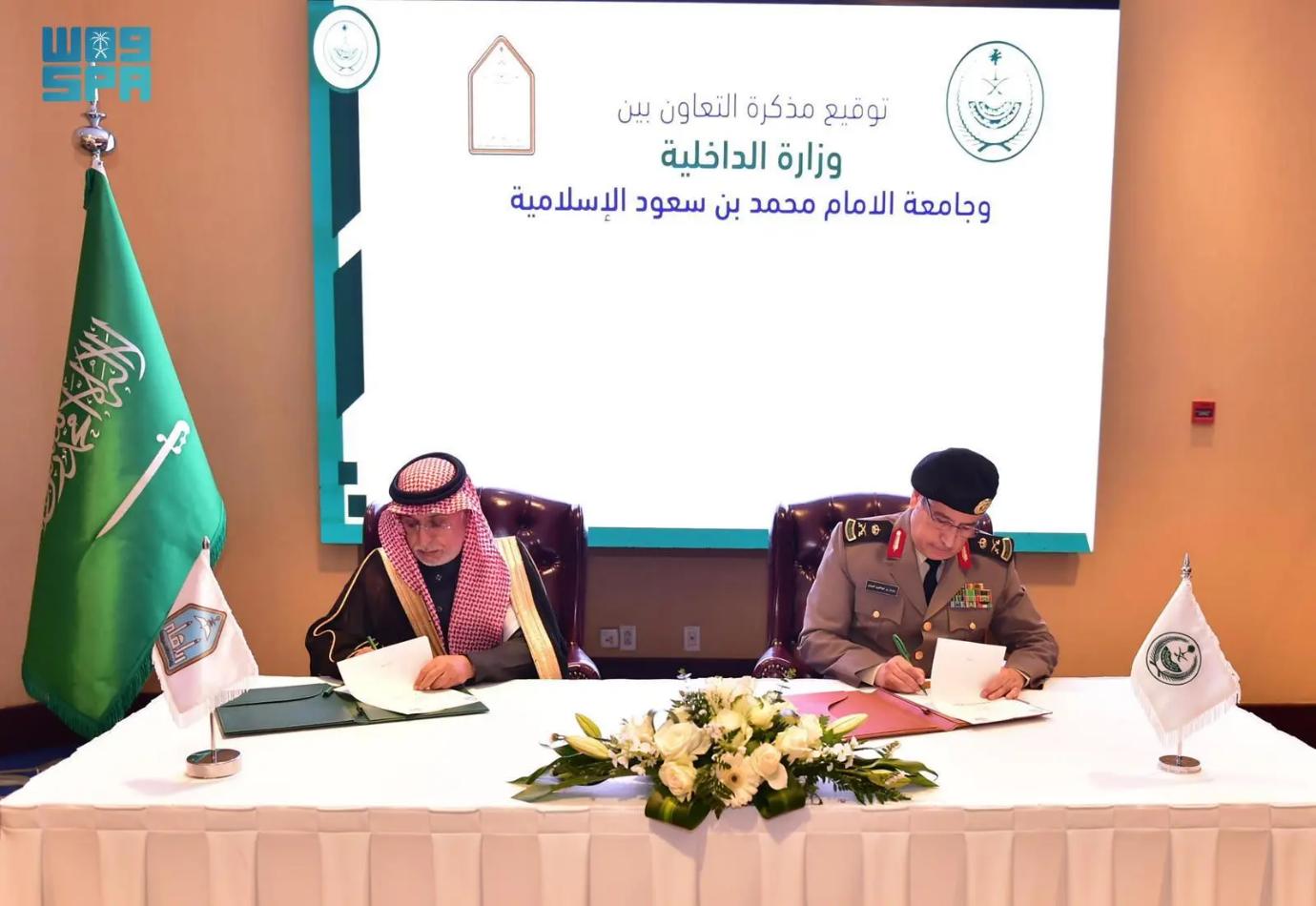
- Collaboration with CEVAL
Saudi Arabia:
https://imamu.edu.sa/news/Pages/news15_4_2025_02.aspx
To support national
empowerment and sustainable development enablers, IMSIU signed a
cooperation agreement with CEVAL Saudi Arabia.
The agreement
focuses on:
- Training teachers and educational leaders to enhance their competencies in line with
international standards.
- Strengthening collaboration to advance the enablers of the UN
Sustainable Development Goals (SDGs), particularly those related to
education and capacity development.
- Developing and empowering academic and administrative cadres
in both institutions to raise the quality of education and training.
- Implementing and improving joint activities in
education, training, and consultancy services.
- Facilitating student cooperative training
opportunities to build skills that support developmental and societal progress.
- Providing supporting educational staff to assist in
program delivery and institutional capacity-building.
This partnership
represents a strategic step toward building an effective
collaboration that contributes to the development of Saudi Arabia’s education
and research ecosystem. It highlights IMSIU’s commitment to:
- SDG 4 (Quality Education) through teacher training, leadership development, and
academic excellence.
- SDG 17 (Partnerships for the Goals) by establishing strong institutional ties that enhance
capacity-building and align with Saudi Vision 2030.
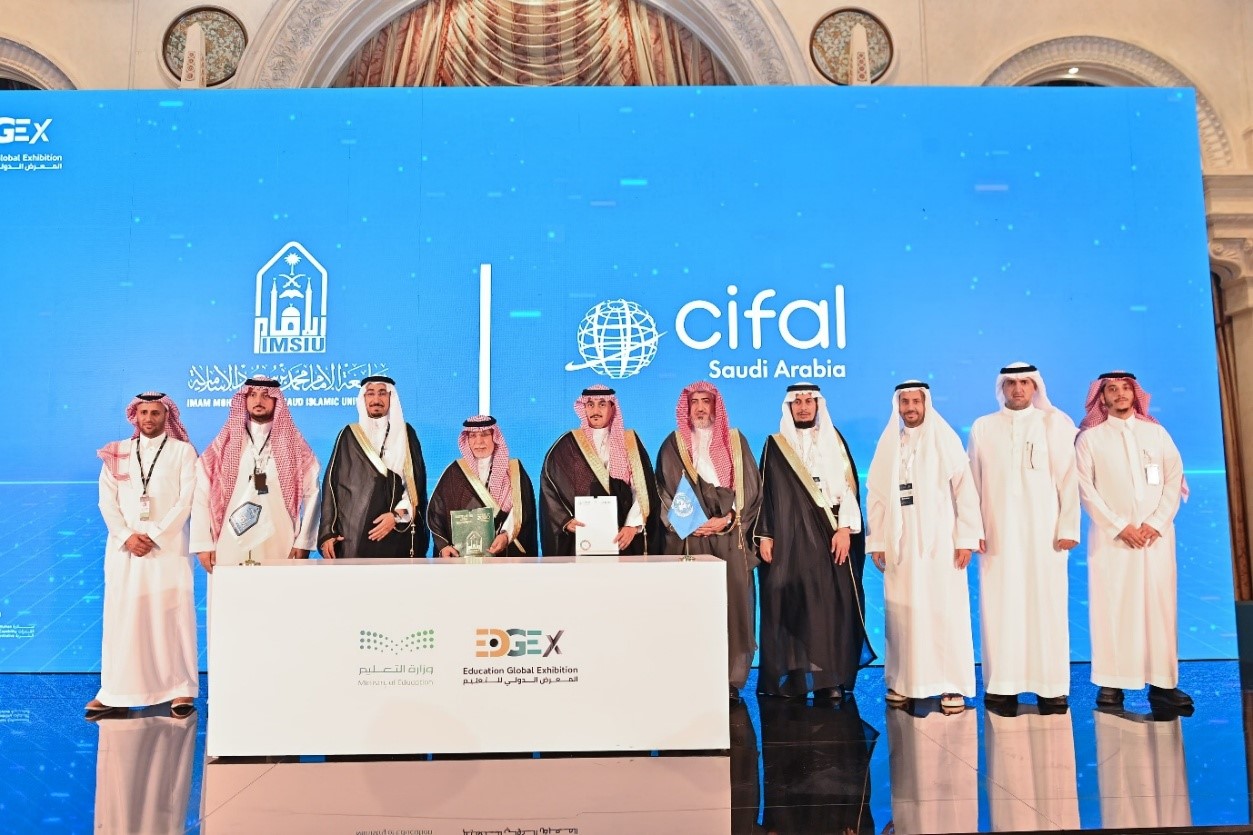
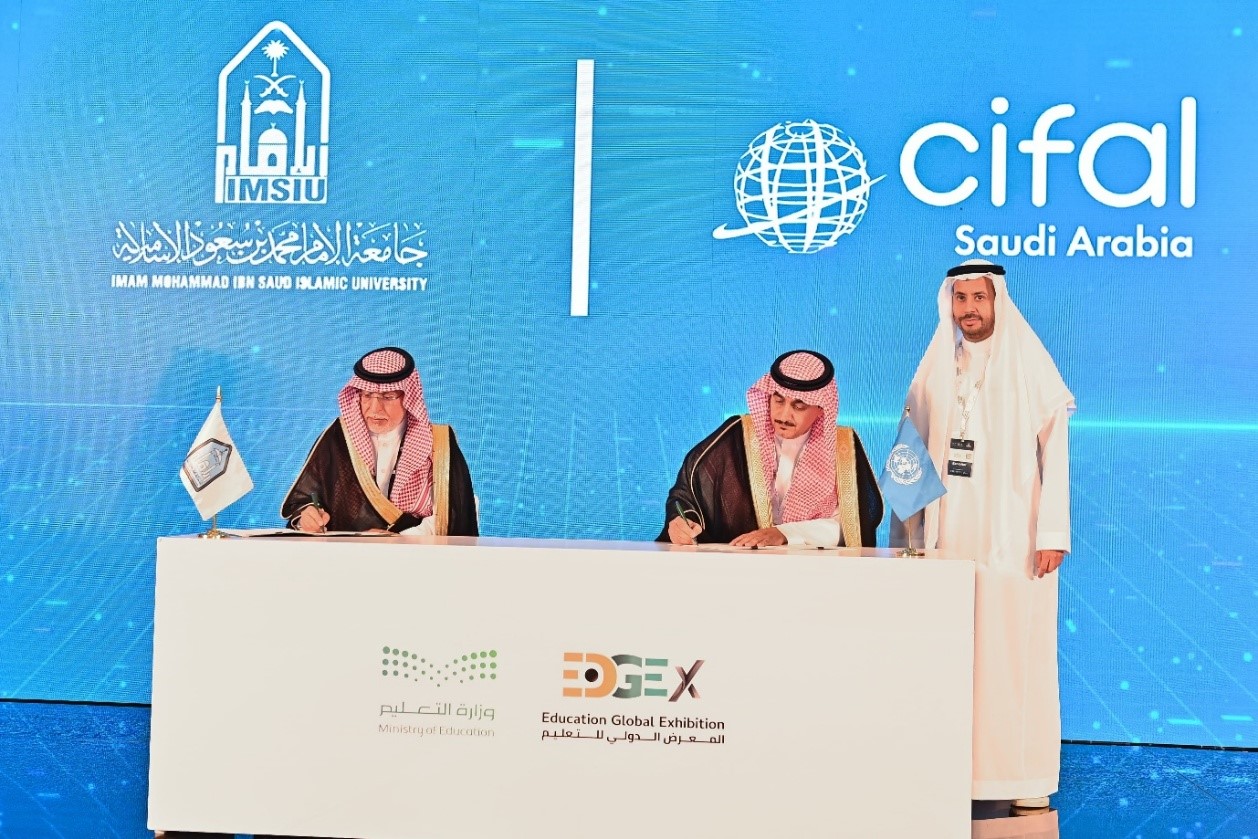
- SABRA” Forum on the
Charter of Public Relations Practice in Government Agencies:
https://imamu.edu.sa/news/Pages/news_10_2_2025_02.aspx
IMSIU, represented
by the Saudi Association for Public Relations and Advertising (SABRA),
organized a forum introducing the Charter of Public Relations Practice
in Government Agencies, developed by the association. The event aimed
to strengthen professional and ethical standards in the
practice of public relations and institutional communication within government
bodies.
The forum
objectives included:
- Raising awareness of the professional charter,
emphasizing ethics and professional values in government communication.
- Providing professional education and awareness-building
for public relations practitioners in governmental institutions.
- Enhancing the capacities of policymakers and institutional
communication officers in the public sector.
This initiative
reflects IMSIU’s role in delivering capacity-building and professional
outreach programs that support ethical governance and institutional
communication. It demonstrates the university’s contribution to:
- SDG 16 (Peace, Justice, and Strong Institutions) by promoting transparency, accountability, and
ethical practices in government communication.
- SDG 17 (Partnerships for the Goals) by collaborating with professional associations to
advance standards in public-sector communication.
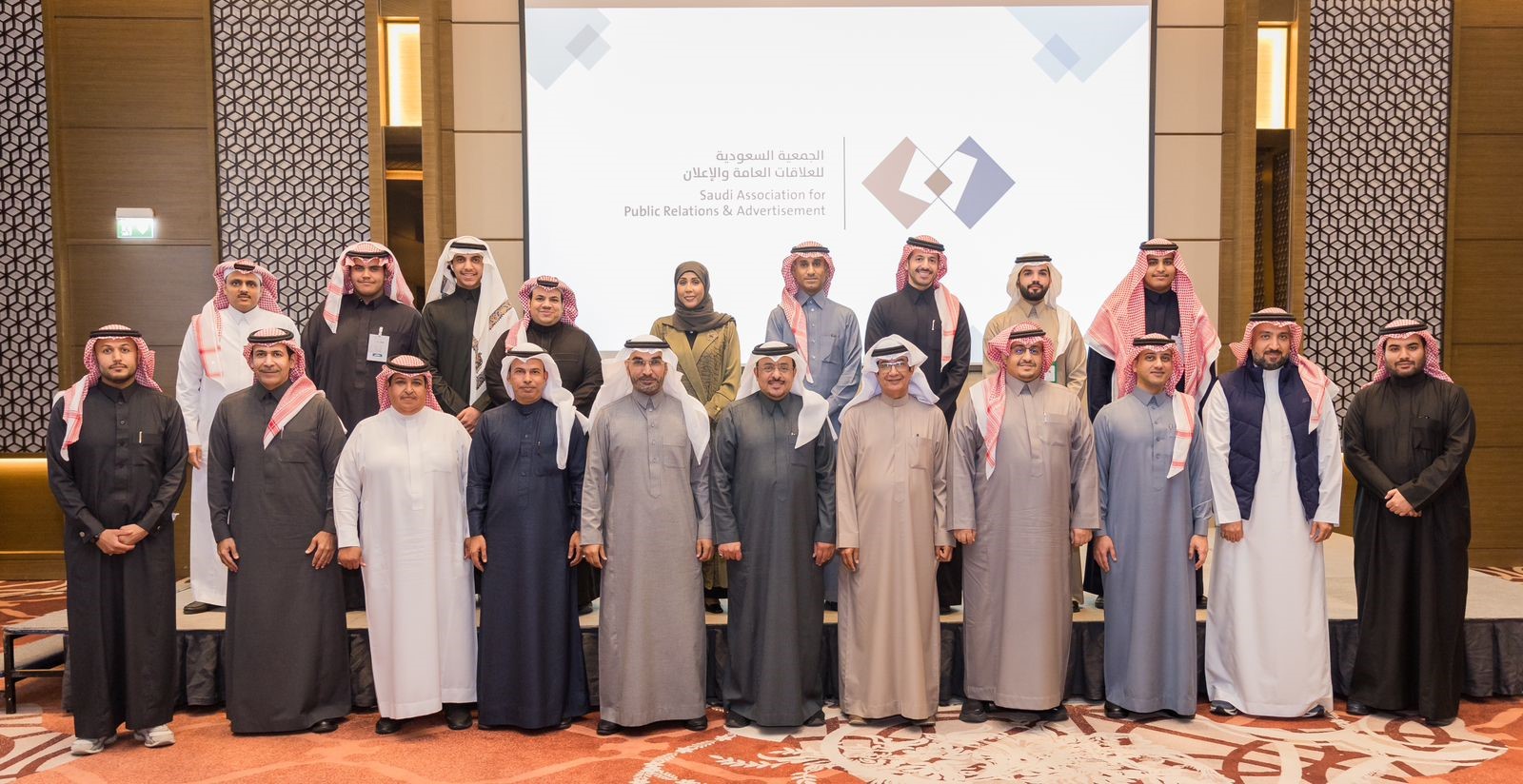
- Workshop on Organizational Structure:
https://imamu.edu.sa/news/Pages/news_1_5_2025_01.aspx
To strengthen organizational capital development,
IMSIU organized a workshop entitled “Organizational Structure Axis”
under the patronage and attendance of Prof. Dr. Ahmad bin Salem Al-Ameri, Rector of
the University. The workshop was conducted as part of the Organizational
Capital Development Project, led by the Vice Presidency for
Institutional Development and Community Responsibility.
The workshop addressed the roles
and responsibilities of the university’s various vice-rectorates and
departments affiliated with the President’s Office, with the
goal of:
- Enhancing
institutional
performance efficiency.
- Improving
the administrative
and organizational framework of the university.
- Promoting
governance
practices and professional development among academic and
administrative leaders.
This initiative demonstrates IMSIU’s commitment
to capacity-building
in governance and institutional development, contributing to SDG 16
(Peace, Justice, and Strong Institutions) by fostering
transparent, efficient, and accountable structures that empower decision-makers
both within and beyond the university.
- Developing and Empowering Human Capital to Enhance
Institutional Performance:
https://imamu.edu.sa/news/Pages/news_13_5_2025_01.aspx
In 2024, the General
Administration of Human Resources at IMSIU achieved significant
milestones that strengthened institutional performance and improved the working
environment. Key initiatives included:
- Launching the Administrative Excellence Award to
motivate and recognize administrative units.
- Obtaining the ISO 9001 international certification,
which enhanced the quality of processes and services.
- Implementing leadership training and capacity-building programs,
aligned with the workforce strategic plan developed according to the Ministry
of Human Resources model.
- Delivering professional development initiatives,
including on-the-job training and succession planning.
- Introducing community responsibility programs such as “Tawazun,”
“Quality of Life,” and “Nabd Mawareed”, supporting employee well-being
and organizational sustainability.
These initiatives
reflect IMSIU’s commitment to capacity-building and human capital
development as a driver of institutional excellence. By investing in
professional training, leadership development, and quality standards, the
university not only strengthens its internal governance structures but also
contributes to building a knowledge-based culture of accountability and
performance.
This approach
aligns with:
- SDG 16 (Peace, Justice, and Strong Institutions) by fostering transparent and effective institutional
practices.
- SDG 17 (Partnerships for the Goals) by aligning with national workforce strategies and
international quality standards.
IMSIU’s human
capital initiatives demonstrate how internal capacity-building programs
can have broader impacts, empowering decision-makers within and beyond the
university and reinforcing its role as a hub for professional and
academic empowerment.
- Training Programs, Capacity-Building
Initiatives, and Scholarly Publications:
https://imamu.edu.sa/news/Pages/news_23_4_2025_02.aspx
The General Administration of Scientific Societies
at IMSIU has played a key role in advancing community
capacity-building and applied research, reflecting the university’s
commitment to education, training, and outreach in line with Saudi
Vision 2030.
Highlighted initiatives include:
- Training
in Legal-Tech Research Skills: In
collaboration with the College of Sharia, a training course titled “Research
Skills in Electronic Sharia Programs” was organized to enhance the
skills of students and employees in the judicial sector, aligning their
expertise with modern digital tools.
- Specialized
Fellowship Program: The Saudi Judicial Society (Qadha)
launched the “Endowment Consultant Fellowship” (3rd edition),
a seven-week program addressing emerging judicial and legal cases, aimed at
professional development for practitioners in the justice sector.
- Interdisciplinary
Scholarly Publications: The Saudi Society for Medical Jurisprudence
released the 8th issue of its peer-reviewed journal,
featuring pioneering research on artificial intelligence, artificial wombs,
geriatric care technologies, medical diagnostics, and other contemporary
intersections between Sharia and modern medicine.
These initiatives demonstrate IMSIU’s
multifaceted role in:
- Providing
training
and professional education for diverse stakeholders, including
students, legal practitioners, and policymakers.
- Contributing
to public
awareness and specialized knowledge transfer in areas of law,
technology, and medical ethics.
- Strengthening
capacity-building
and professional development for individuals who directly or
indirectly influence policy-making in judicial and health sectors.
By targeting broad audiences that include policy
actors, these programs embody the spirit of Outreach and Education for Policymakers,
supporting:
- SDG 4
(Quality Education) through specialized training and skill
development.
- SDG 16
(Peace, Justice, and Strong Institutions) by
advancing legal and ethical knowledge in justice and healthcare.
- SDG 17
(Partnerships for the Goals) through
collaboration with professional societies and government-related entities.
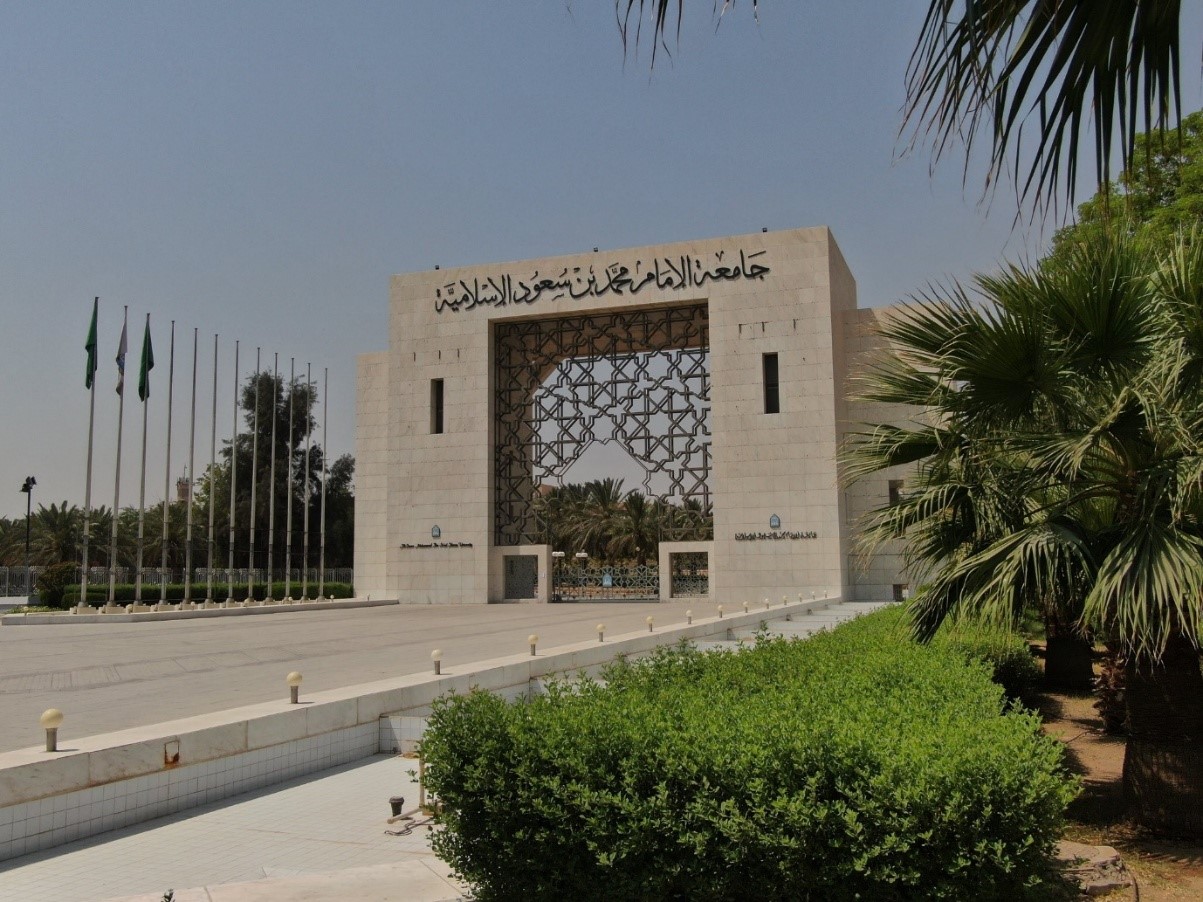
- Memorandum of Cooperation with the Saudi Water
Academy:
https://imamu.edu.sa/news/Pages/news_26_6_2025_01.aspx
On 26 June 2025, IMSIU,
represented by the College of Business, signed a Memorandum
of Cooperation with the Saudi Water Academy (part of
the National Water Company) to strengthen collaboration in training,
capacity-building, and social responsibility.
The agreement focuses on:
- Developing scientific and knowledge-based studies
related to community responsibility and sustainable development.
- Exchanging expertise to transfer knowledge and institutional skills
between both parties.
- Joint participation in specialized committees, as well
as the organization of workshops, training programs, seminars, and
conferences.
- Data sharing and performance measurement to enhance institutional effectiveness.
- Implementing programs for training, qualification, and
capacity-building, supporting both technical professionals and
decision-makers.
This partnership is particularly significant
as it addresses critical areas of water, climate change, and
sustainability, which require public education, institutional
training, and community awareness. By integrating capacity-building
with applied knowledge transfer, the MoU exemplifies IMSIU’s efforts in:
- SDG 6 (Clean Water and Sanitation) by contributing to water sector knowledge and skills
development.
- SDG 13 (Climate Action) by enhancing institutional resilience and awareness
in climate-related domains.
- SDG 16 (Peace, Justice, and Strong Institutions) through institutional capacity-building and governance-focused
training.
- SDG 17 (Partnerships for the Goals) by fostering collaborative frameworks with a national
specialized academy.
This initiative underscores IMSIU’s role in
delivering education, professional training, and community outreach
in sustainability-related fields, ensuring that policymakers, practitioners,
and stakeholders are equipped with the tools to address pressing environmental
and institutional challenges.
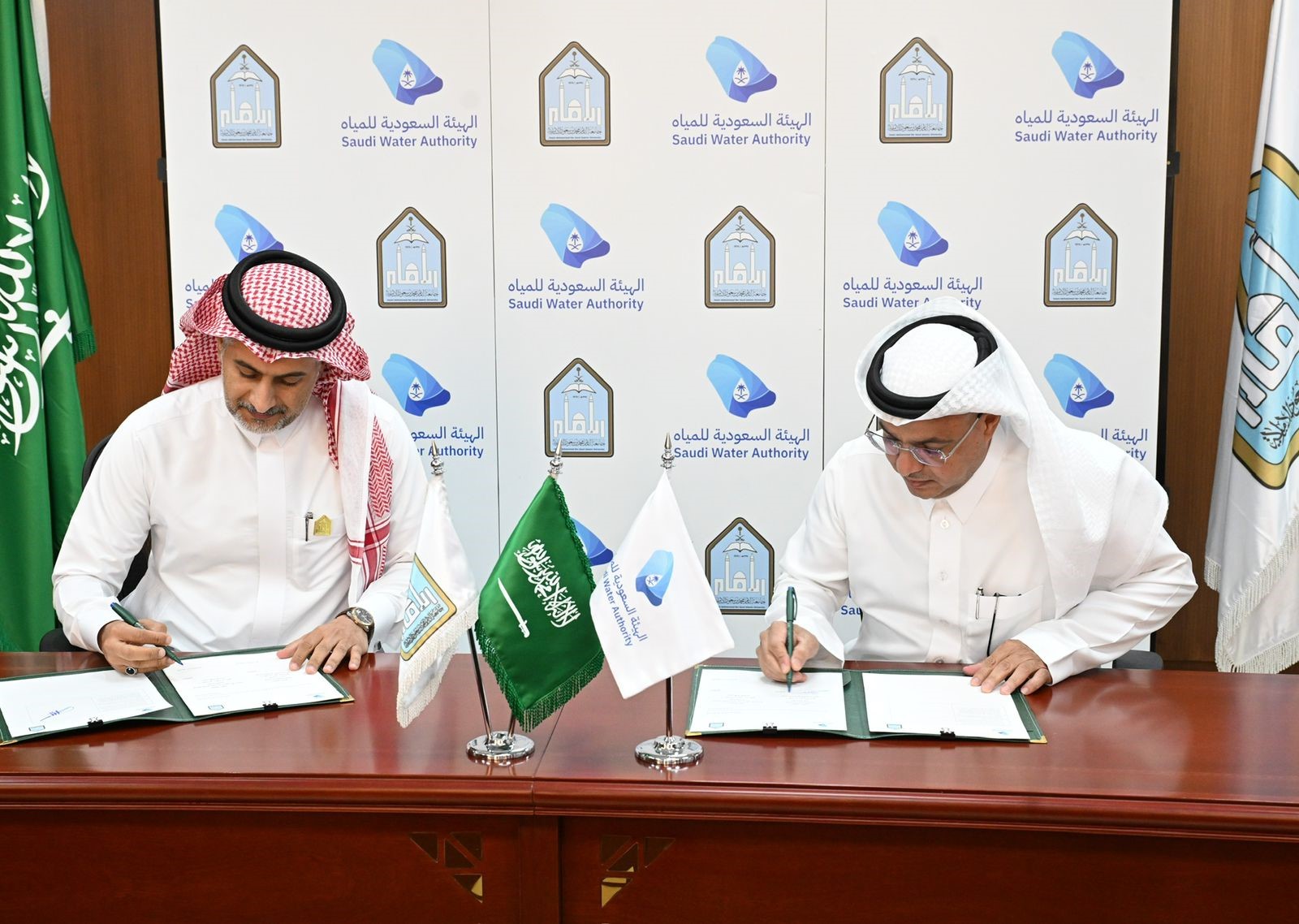
- Launching Specialized
Initiatives to Promote Arabic Language Education:
https://imamu.edu.sa/news/Pages/news_17_3_2025_01.aspx
On 17
March 2025, the College of Arabic Language at IMSIU,
under the patronage of the Rector, launched a set of innovative initiatives
aimed at strengthening the teaching and global presence of the Arabic language.
These initiatives include:
- “Ambassadors of Arabic”: a program to prepare international scholarship
students linguistically and culturally.
- “Rihab”:
an initiative focused on academic advising and psychological support.
- “Shadu”:
designed to develop skills in public speaking and editorial writing.
- Enhancement of the Arabic Language Exhibition at the university to showcase the college’s
achievements.
These initiatives
reflect IMSIU’s commitment to:
- Preserving and promoting national identity through Arabic language and culture.
- Providing public education and capacity-building in
linguistic and cultural fields for both native and non-native speakers.
- Supporting Saudi Vision 2030, which emphasizes the
global promotion and dissemination of Arabic.
- Serving the wider community through cultural
empowerment and skill development.
The initiatives
also demonstrate IMSIU’s role in shaping the broader landscape of language
and cultural policy, as their outcomes extend to decision-makers and
stakeholders in language and education.
By offering such
programs, IMSIU contributes to:
- SDG 4 (Quality Education) by developing language and cultural competencies.
- SDG 10 (Reduced Inequalities) by supporting international students and enabling
inclusive access to Arabic education.
- SDG 16 (Peace, Justice, and Strong Institutions) by promoting cultural identity and academic
resilience.
SDG 17 (Partnerships for the Goals) by aligning with national and international efforts to strengthen
Arabic globally. 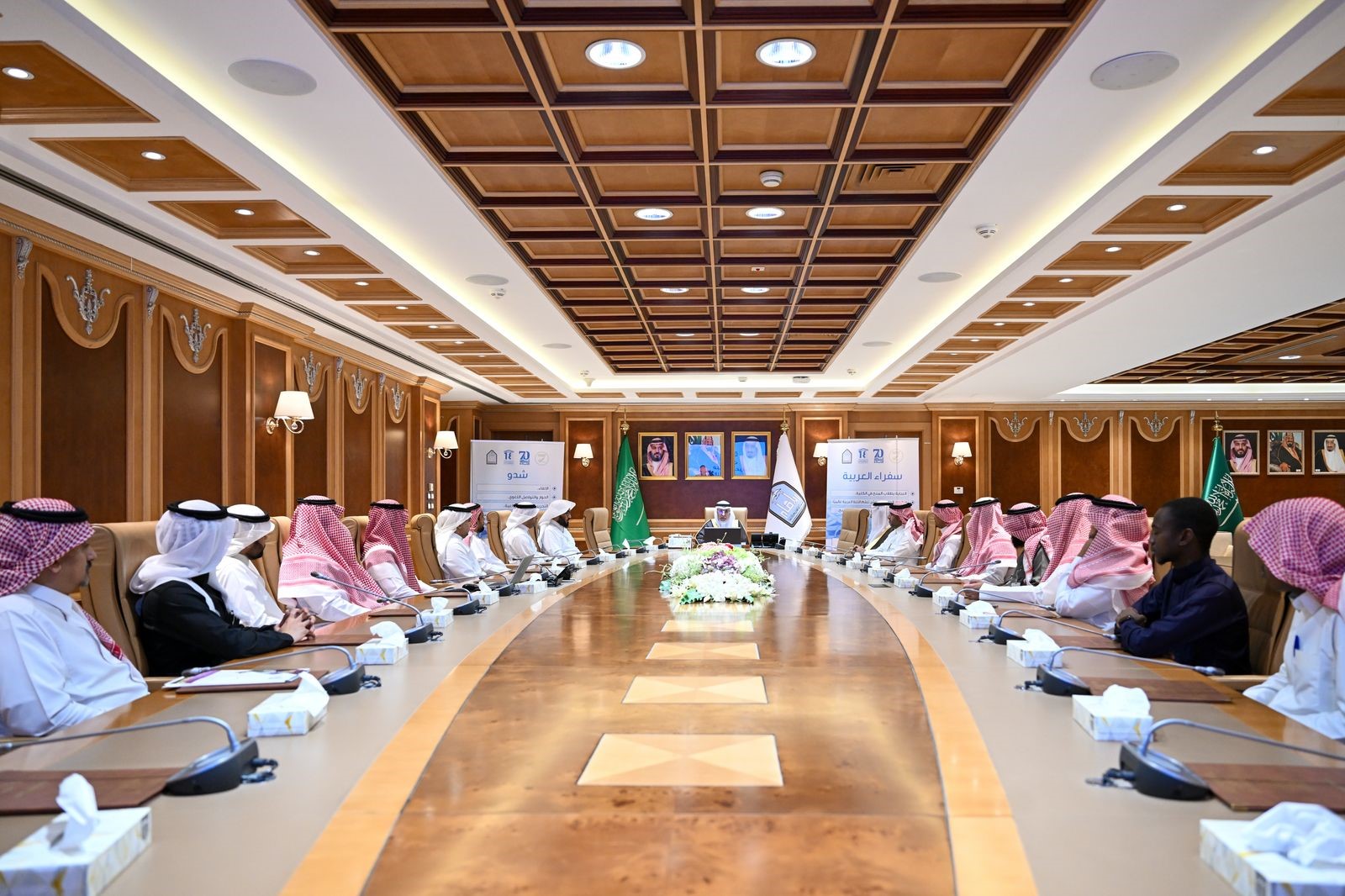
- Alignment of Policy-Maker
Outreach and Education with IMSIU Strategic Plan:
IMSIU’s efforts in
delivering outreach, education, and capacity-building for policymakers
and legislators are directly aligned with its IMSIU Strategic Plan pdf (2021–2025). These practices reflect:
- Goal 2:
Activating local and international partnerships to achieve sustainable
development.
- Goal 3:
Enhancing community service through impactful programs and initiatives.
- Goal 5:
Enriching scientific research and innovation in addressing national issues.
- Pillar 4:
Strengthening the university’s national impact on policy-making and
decision-making processes.
This alignment is
demonstrated through conferences, workshops, and specialized training
programs directed at legislators, judges, and policymakers, as well as
collaborations with government entities in key areas such as digital
governance, law, economics, and technology.
By embedding these
initiatives within its strategic framework, IMSIU underscores its institutional
commitment to supporting sustainable development, influencing public
policy, and contributing to national capacity-building, in line with Saudi
Vision 2030.
Policy-Focused Research in
Collaboration with Government
IMSIU places strong emphasis on policy-oriented research,
recognizing its vital role in supporting decision-makers and advancing national
development. In line with its academic mission and community responsibility,
the university has established effective partnerships with multiple government
entities to conduct applied research that serves national priorities and
contributes to evidence-based policymaking.
Government Research
Engagement:
IMSIU actively undertakes policy-focused research projects in
collaboration with government departments, formally documented through research
agreements and funded projects.
Key Example:
- Funded Research Agreements with the Prince
Sultan Center for Defense Studies and Research (March 2025):
IMSIU, represented by the Deanship of Scientific Research, signed
three funded research agreements provided by the Prince Sultan Center
for Defense Studies and Research. These agreements aim to conduct research and
studies that promote excellence and innovation in defense solutions,
with a focus on engineering and technical advancements. The projects are
managed under the supervision of the Engineering Research Center at the
university.
The agreements were signed
by Prof. Dr. Salem bin Ali Al-Yami, Dean of Scientific Research, in the
presence of Dr. Naif bin Mohammed Al-Otaibi, Vice-Rector for Graduate
Studies and Scientific Research, Prof. Dr. Nashmi bin Hassan Al-Rashidi,
Dean of the College of Engineering, and senior faculty members.
This initiative
demonstrates IMSIU’s contribution to:
- National
development and security priorities, by
advancing defense-focused engineering and technical research.
- Financial
sustainability of research, through external funding
that strengthens the university’s research ecosystem.
- Evidence-based
policymaking, by generating applied knowledge to guide
government strategies in critical sectors.
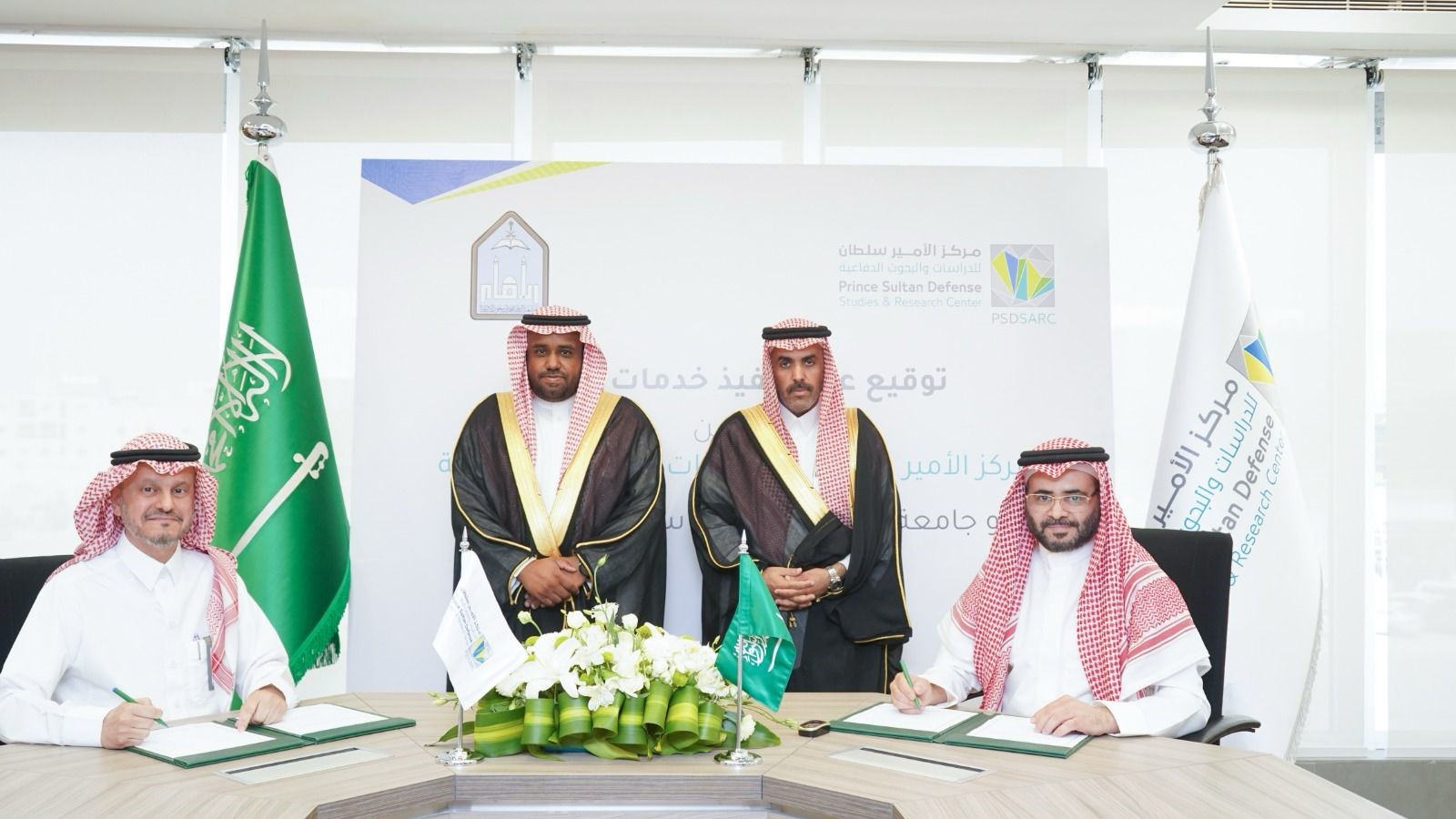
- MoU with the Digital Government
Authority:
https://imamu.edu.sa/news/Pages/news_20_12_2023_01.aspx
On 20 December 2023, IMSIU signed a Memorandum of
Understanding with the Digital Government Authority (DGA)
during the 2nd e-Government Forum. The agreement aims to organize and
streamline digital governance in government entities and to promote inter-agency
digital integration.
The MoU outlines several areas of collaboration, including:
- Joint implementation of training
and academic programs in open-source software.
- Supporting student graduation
projects and university software clubs, fostering
innovation and applied learning.
- Providing cooperative
training opportunities for IMSIU students across government
institutions.
- Establishing joint
research groups to produce scientific research and innovative
technological solutions, contributing to the growth of the open-source
software sector.
- Enhancing national
talent development and strengthening the quality and
efficiency of digital services that support the national economy.
This cooperation highlights IMSIU’s role in:
- Advancing policy-focused
and applied research in digital governance and technology.
- Supporting SDG 9
(Industry, Innovation, and Infrastructure) by driving innovation in
software and digital services.
- Reinforcing SDG 16
(Peace, Justice, and Strong Institutions) through improved governance
efficiency and transparency.
- Strengthening SDG
17 (Partnerships for the Goals) via collaboration with a key
government authority.
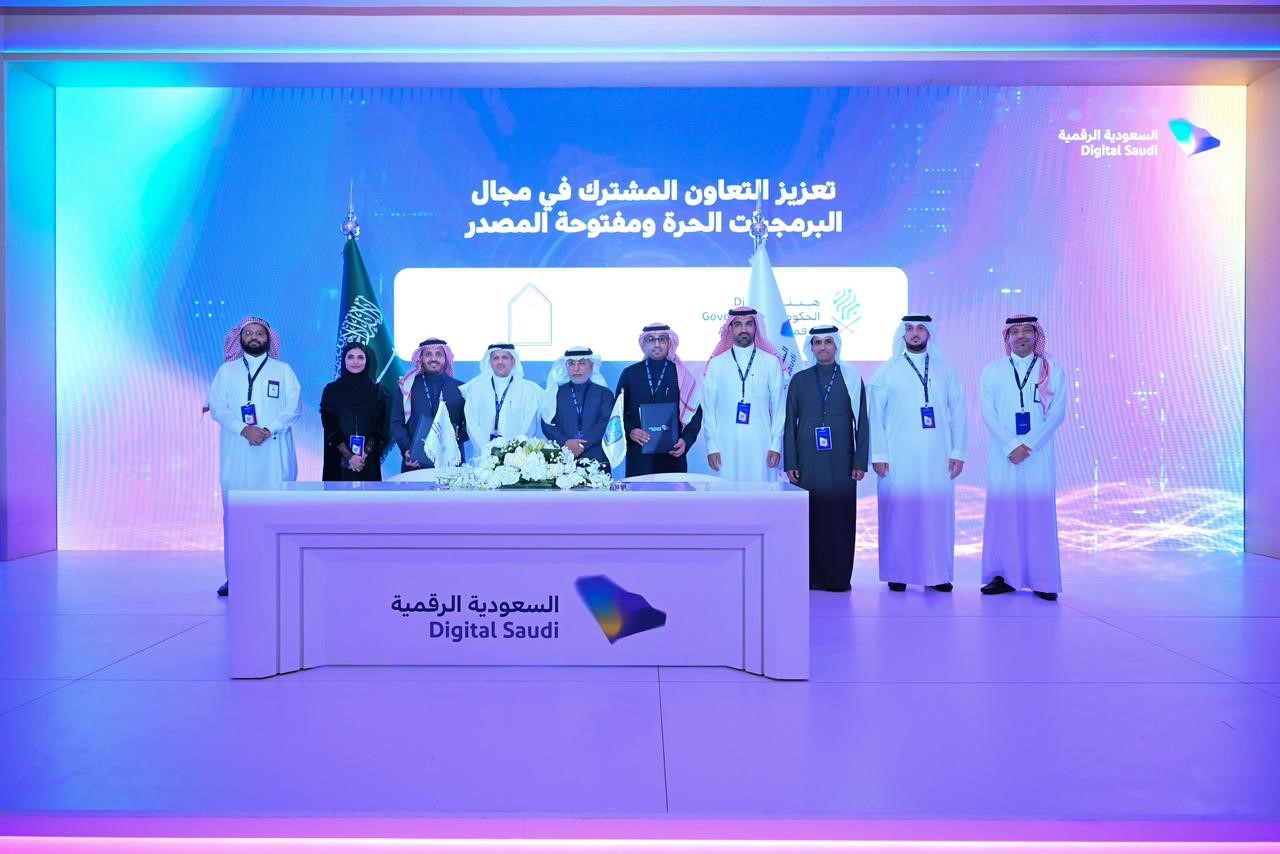
- MoU with Riyadh Cement Company:
https://imamu.edu.sa/news/Pages/news_21_3_2023.aspx
The Memorandum of Understanding signed between
IMSIU and Riyadh Cement Company reflects
the university’s role as an academic institution engaged in policy-focused
research and strategic collaborations with governmental and
semi-governmental entities.
The cooperation covers several key areas:
- Scientific
research, consultancy, and training in
alignment with Saudi Vision 2030 priorities on industrial development, localization,
and sustainability.
- Product
development and applied innovation,
fostering industry-academia collaboration.
- Joint
academic supervision of graduation projects,
ensuring practical, industry-relevant outcomes.
- Organization
of conferences,
workshops, and specialized training programs designed to equip
youth with skills relevant to national development.
This MoU demonstrates IMSIU’s commitment to:
- Supporting
evidence-based
policy development in the industrial sector.
- Advancing
SDG 8
(Decent Work and Economic Growth) through capacity-building and
youth training.
- Contributing
to SDG 9
(Industry, Innovation, and Infrastructure) via applied research
and product innovation.
- Strengthening
SDG 17
(Partnerships for the Goals) through cross-sectoral
collaboration.
By integrating research, training, and
consultancy, IMSIU ensures that its academic expertise directly supports national
policy objectives and sustainable development.
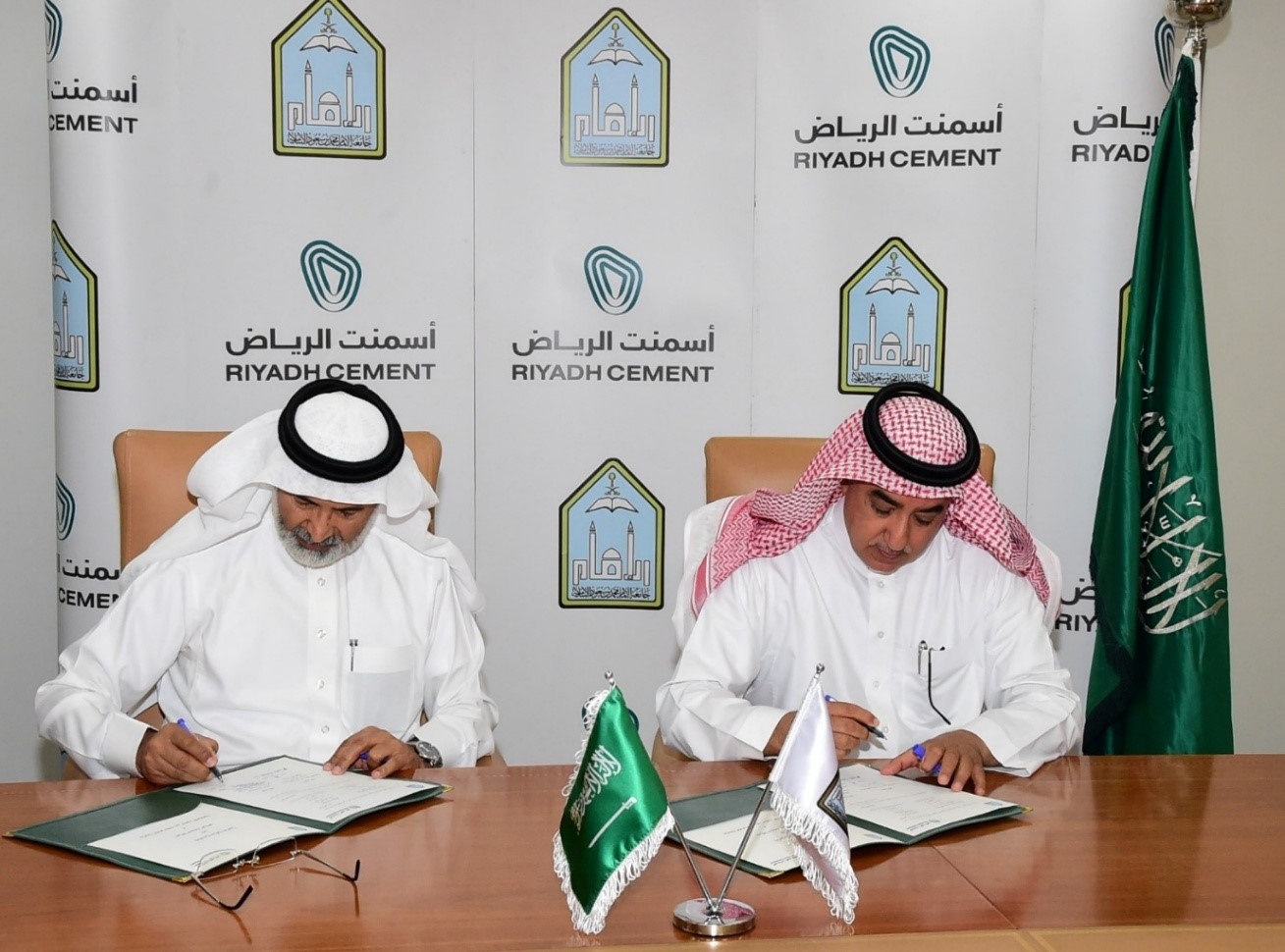
- Collaboration with the National Center
for Non-Profit Sector Development:
https://imamu.edu.sa/news/Pages/news_13_2_2025_02.aspx
On 13
February 2025, IMSIU, represented by the Vice-Rector for
Graduate Studies and Scientific Research, Dr. Naif bin Mohammed Al-Otaibi,
received a delegation from the National Center for Non-Profit Sector
Development, headed by Mr. Mohammed Al-Rashid, Director of
Research and Studies, to explore avenues of cooperation and
partnership in research and development that contribute to the advancement of
the non-profit sector.
The discussions
focused on:
- Supporting research and studies related to the
non-profit sector.
- Leveraging the expertise of faculty members and
national/international experts to achieve shared objectives.
- Enhancing innovation in research and developing interdisciplinary
programs that aim to improve quality of life and promote sustainable
development.
- Expanding strategic partnerships that support
governance, strategy-building, and applied research in the non-profit field.
This collaboration
demonstrates IMSIU’s commitment to:
- Policy-focused and applied research that supports the growth and sustainability of the
non-profit sector.
- Contributing to SDG 16 (Peace, Justice, and Strong
Institutions) by strengthening governance and institutional frameworks
within the non-profit sector.
- Advancing SDG 17 (Partnerships for the Goals) through
structured cooperation with a national regulatory and development body.
By aligning
academic expertise with the priorities of the non-profit sector, IMSIU
reinforces its role in shaping evidence-based policies and innovative
practices that enhance societal well-being and sustainable
development.
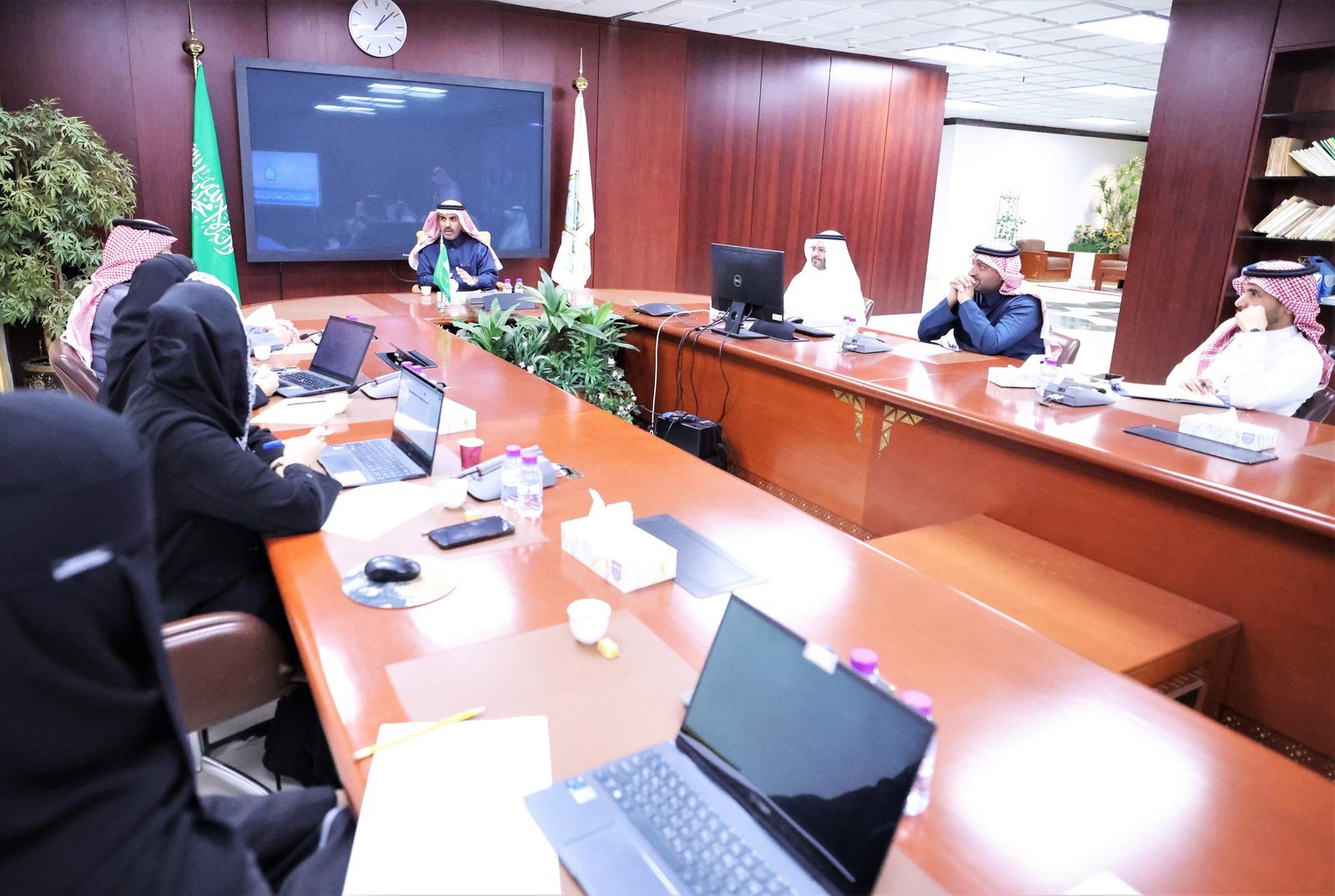
- Cooperation Agreement with Takween Al-Qiyada (Leadership Development Foundation):
https://imamu.edu.sa/news/Pages/news-27_4_2025_02.aspx
IMSIU signed a cooperation agreement with the Takween
Al-Qiyada Foundation, aimed at advancing applied
research in the field of media and communication. The
partnership is designed to:
- Foster joint
research and applied studies that enhance media content
creation and public communication discourse, areas closely linked to public
policy and media governance.
- Engage
with a foundation whose activities intersect with official
leadership and decision-making bodies, thereby ensuring that
the outcomes of research projects can directly influence policy
frameworks and governance strategies.
This agreement serves as a model of policy-oriented
applied research conducted in collaboration with external
entities that hold both governmental and societal dimensions.
The initiative demonstrates IMSIU’s
contribution to:
- SDG 16
(Peace, Justice, and Strong Institutions) by
strengthening transparent and effective governance through research in public
communication and media discourse.
- SDG 17
(Partnerships for the Goals) by
establishing cross-sectoral collaboration with a leadership and
decision-making–oriented foundation.
By integrating academic research with practical
policy-related outcomes, IMSIU reinforces its role in influencing
national discourse, shaping media policies, and supporting governance practices.
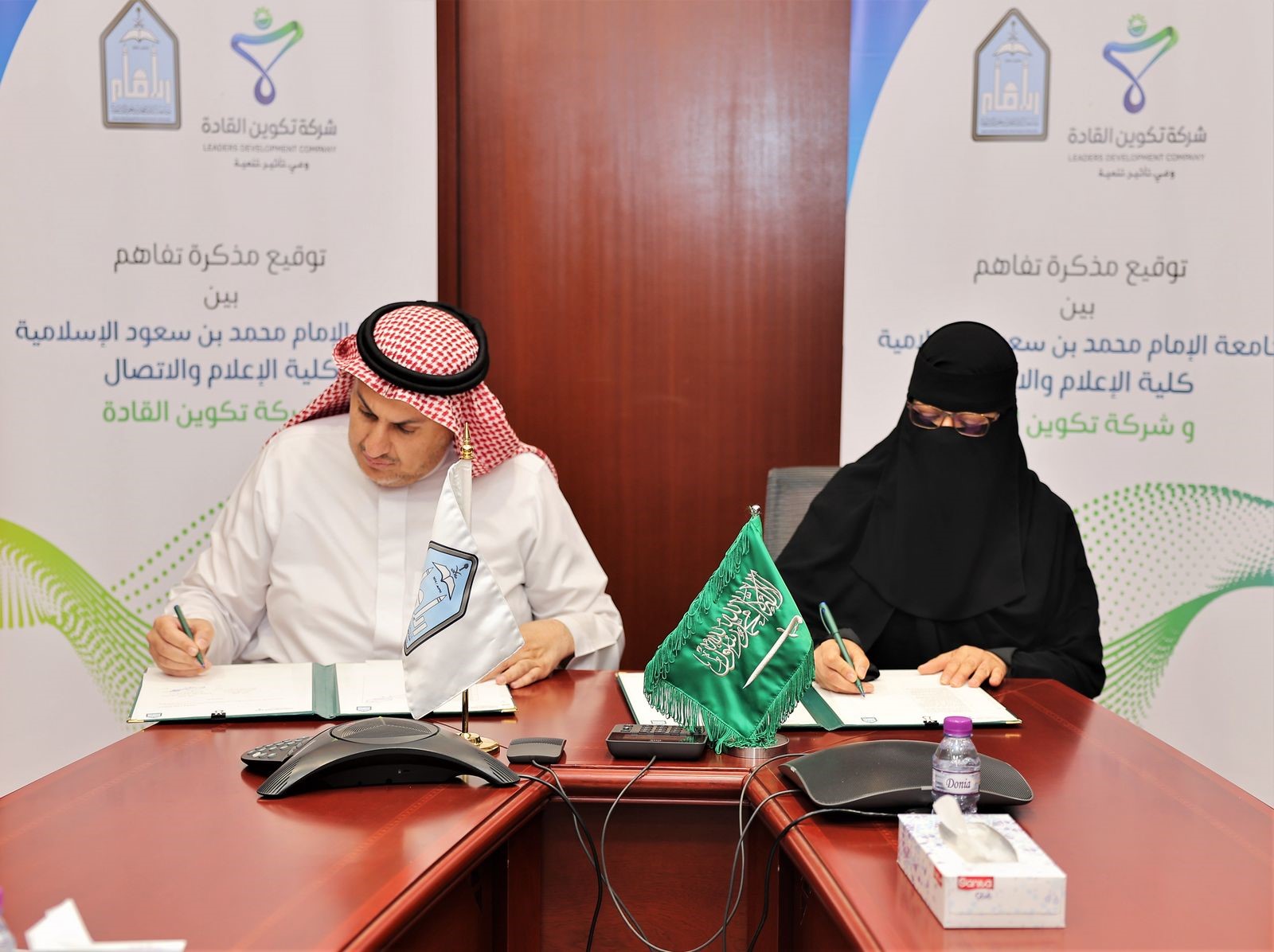
- MoU with Innovation Gate Holding Company:
https://imamu.edu.sa/news/Pages/news_27_4_2025_01.aspx
In April
2025, IMSIU, represented by the Vice-Rectorate for Graduate
Studies and Scientific Research, signed a Memorandum of
Understanding with Innovation Gate Holding Company to
strengthen collaboration in scientific research, development,
innovation, training, and consultancy services.
Key features of
the agreement include:
- Establishing a dedicated research chair within IMSIU
sponsored by the company.
- Supporting research and technical projects that address
national innovation and policy needs.
- Enabling IMSIU students and graduates with training and
employment opportunities in relevant sectors.
- Promoting entrepreneurship and innovation through the iGate
Accelerator platform.
This partnership
reflects IMSIU’s commitment to:
- Advancing applied, policy-relevant research in
technology and innovation.
- Supporting SDG 8 (Decent Work and Economic Growth) by
equipping students with entrepreneurial and employment pathways.
- Contributing to SDG 9 (Industry, Innovation, and
Infrastructure) through research chairs and collaborative innovation
projects.
- Strengthening SDG 17 (Partnerships for the Goals) by
building bridges between academia and the private sector.
By aligning research, entrepreneurship, and innovation, IMSIU reinforces
its role as a national driver of knowledge-based economic development and
policy-relevant innovation. 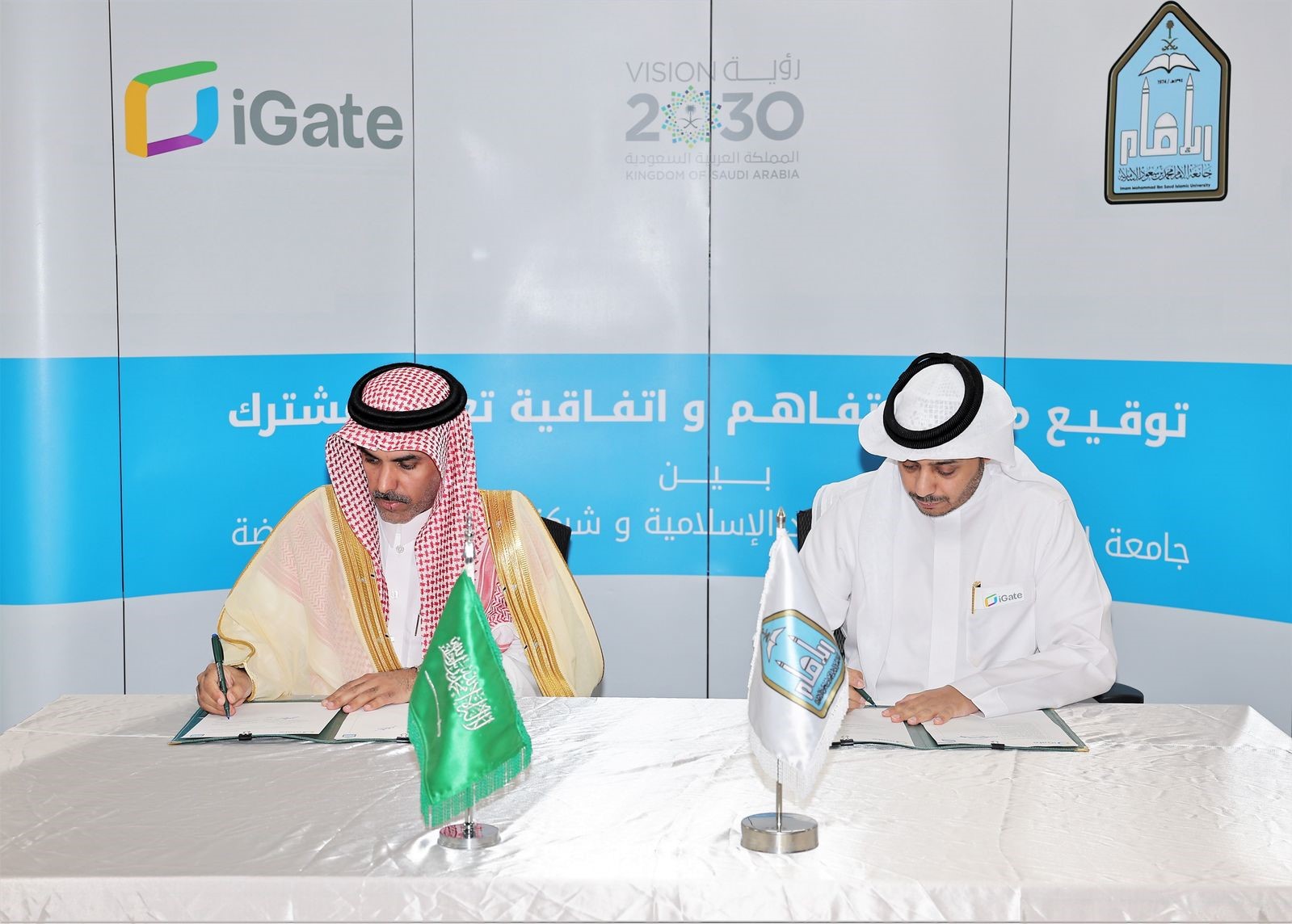
- MoU with the University of Massachusetts
Dartmouth:
https://imamu.edu.sa/news/Pages/news_14_4_2025_03.aspx
In April
2025, IMSIU signed a Memorandum of Understanding with
the University of Massachusetts Dartmouth to enhance academic
and research collaboration between the two institutions. The agreement
covers:
- Exchange of academic expertise between faculty and research staff.
- Implementation of joint applied scientific programs and studies.
- Organization of scientific events, workshops, and conferences.
- Faculty and student exchange programs to strengthen global engagement.
While this MoU was
signed with an international academic partner, its applied research
orientation reflects IMSIU’s commitment to engaging in collaborative
research with potential policy relevance, contributing to
evidence-based decision-making and supporting the development of public policy.
This initiative
underscores IMSIU’s role as an active institutional research partner
at both national and international levels and aligns with the Sustainable
Development Goals (SDGs) by:
- Advancing SDG 16 (Peace, Justice, and Strong Institutions)
through research that supports evidence-based governance and policymaking.
- Strengthening SDG 17 (Partnerships for the Goals) via
international academic collaboration that enhances IMSIU’s global research
footprint.
By engaging in
such international collaborations, IMSIU demonstrates its ability to link
local and global research efforts to policy development, thereby
reinforcing its position as a key contributor to sustainable and
knowledge-driven policymaking.
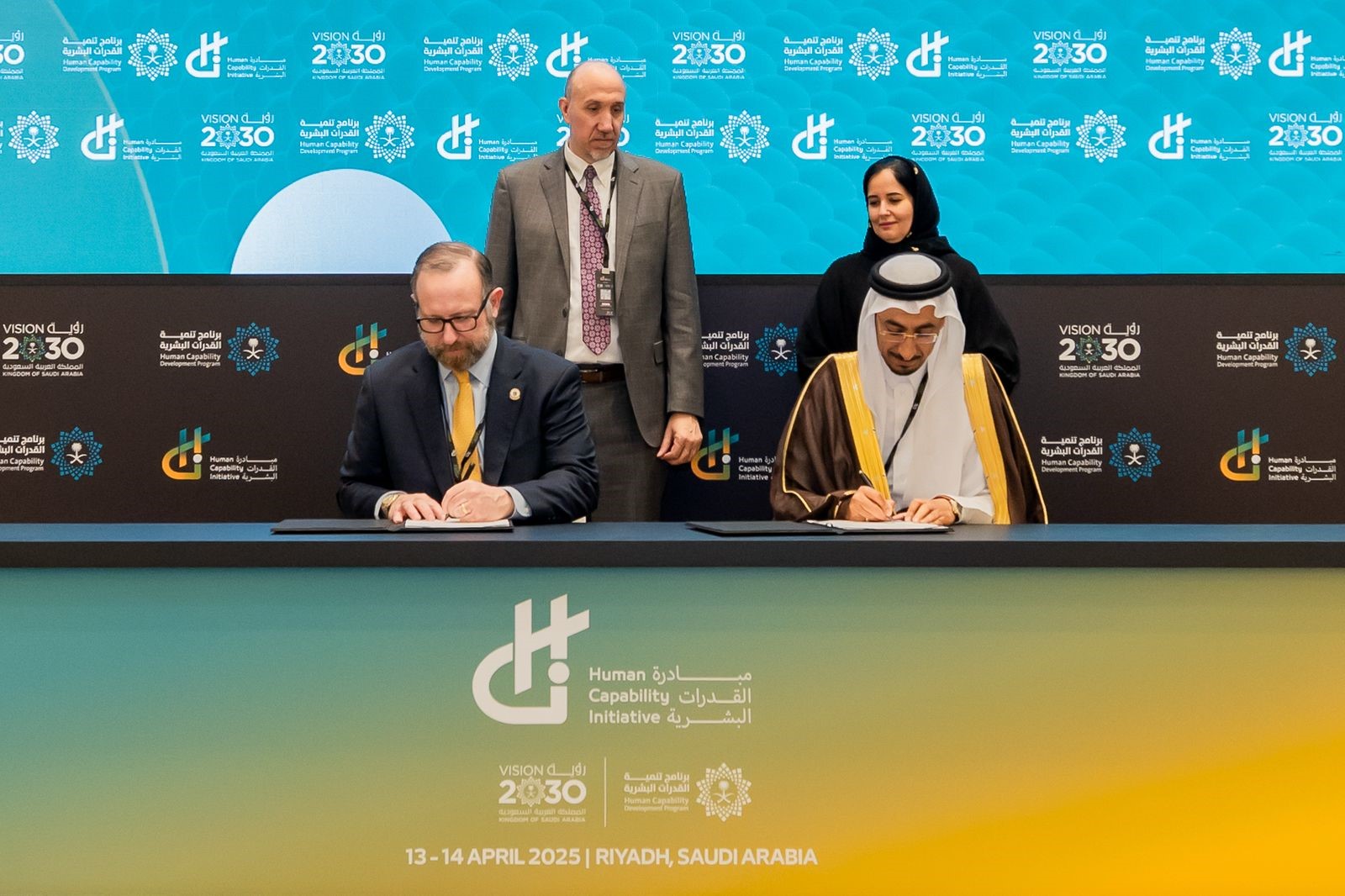
- Cooperation Agreement with Safi Information Cybersecurity Company:
https://imamu.edu.sa/news/Pages/news_4_2_2025_01.aspx
On 4
February 2025, IMSIU signed a Cooperation Agreement
with Safi Information Cybersecurity Company to advance training,
development, and employment opportunities in the field of cybersecurity.
The agreement
focuses on:
- Implementing training programs and joint
research projects in cybersecurity.
- Facilitating cooperative training placements for IMSIU
students.
- Enhancing awareness and capacity-building in
information security.
- Developing applied research models, data analytics, and big
data solutions that can inform national strategies.
This partnership
highlights IMSIU’s role in:
- Conducting applied, policy-relevant research in
cybersecurity and data-driven technologies, which can be integrated with
government efforts to strengthen national security and digital governance.
- Supporting Saudi Vision 2030 digital transformation
goals through collaboration with the private sector.
- Contributing to SDG 9 (Industry, Innovation, and
Infrastructure) by developing innovative technological solutions.
- Reinforcing SDG 16 (Peace, Justice, and Strong Institutions)
through strengthened cyber resilience and secure digital governance.
- Advancing SDG 17 (Partnerships for the Goals) via
strategic partnerships between academia and industry.
Through this agreement, IMSIU demonstrates its commitment to bridging academic research with practical applications
in cybersecurity and digital governance, reinforcing its position as an institutional research partner in policy-focused innovation.
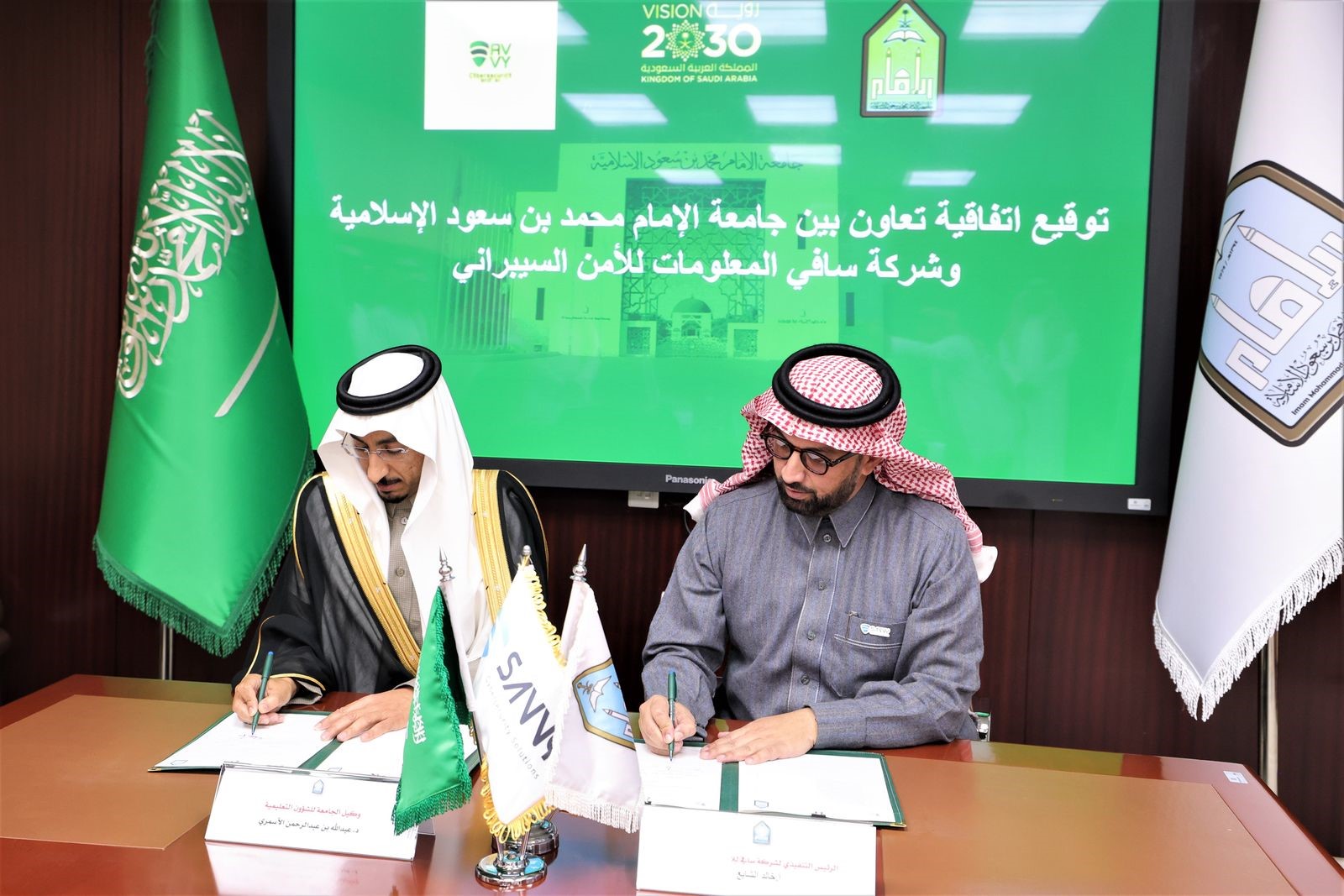
- Launch of the First “Research Works
Expo”
https://imamu.edu.sa/news/Pages/news_13_5_2025_02.aspx
On 13 May 2025, the College of
Languages and Translation at IMSIU, under the patronage of the University
Rector, launched the first edition of the “Research Works Expo.” The
event was designed to showcase the research outputs of undergraduate and
graduate students in the fields of translation, linguistics, and literature.
The Expo served as a scholarly
platform to:
- Highlight
students’ research achievements and
strengthen their academic presentation skills.
- Offer interactive
workshops on key topics such as artificial intelligence applications
and scientific
publishing.
- Provide research
exhibition booths where students presented applied projects
linked to societal issues and national needs.
The policy relevance of this
initiative lies in:
- Promoting
applied
research that intersects with public policy and national development
priorities.
- Creating
opportunities for research outputs to inform government and institutional strategies,
particularly in areas such as education, digital transformation, and cultural
identity.
- Strengthening
IMSIU’s role in producing evidence-based research that
supports policy formulation and aligns with Saudi Vision 2030.
This event underscores IMSIU’s commitment to:
- SDG 4
(Quality Education) by cultivating a research-driven academic
culture.
- SDG 16
(Peace, Justice, and Strong Institutions) by
producing research that contributes to national dialogue and policy
development.
- SDG 17
(Partnerships for the Goals) by
establishing the Expo as a collaborative space linking academia, government,
and society.
By embedding applied and policy-relevant
dimensions into student research activities, IMSIU positions itself as a knowledge
hub that bridges academic output with real-world policy impact.
- MoU with Sama Aerial Solutions for Drones:
https://imamu.edu.sa/news/Pages/news-6_5_2025_01.aspx
On 6 May
2025, IMSIU, represented by the Applied College, signed a Memorandum
of Understanding with Sama Aerial Solutions for Drones to
strengthen collaboration in scientific research and technological
development.
The agreement
includes:
- Establishing a joint research laboratory focused on
innovation in artificial intelligence, navigation systems, and drone
control technologies.
- Organizing conferences, workshops, and specialized training
programs to build technical expertise.
- Providing cooperative training opportunities for IMSIU
students and facilitating the exchange of academic expertise.
- Supporting joint research projects aligned with
emerging technologies and national innovation priorities.
Although Sama
Aerial Solutions is not a government entity, the field of drone
technology is considered a sensitive and strategic national
sector. By advancing research and innovation in this area, the MoU
contributes directly to:
- Policy-relevant applied research in technological innovation and digital
transformation.
- SDG 9 (Industry, Innovation, and Infrastructure) through strengthening national capacities in advanced
drone technologies.
- SDG 17 (Partnerships for the Goals) by fostering academia–industry collaboration in a
sector with high policy and security relevance.
This collaboration illustrates IMSIU’s role in bridging academic research with national priorities
in cutting-edge technological domains, reinforcing its position as a key
institutional contributor to policy-focused innovation and sustainable
development.
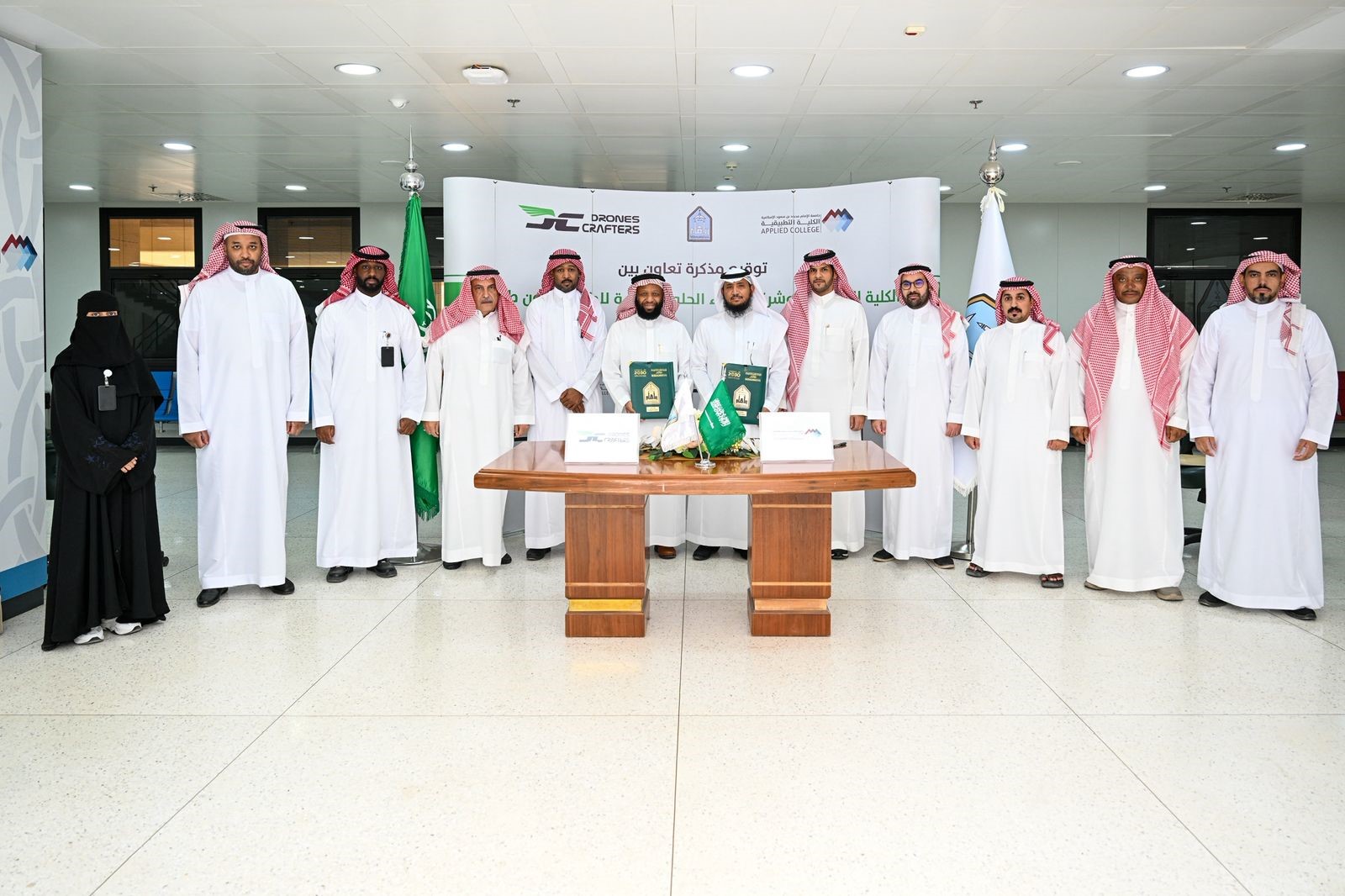
- First Annual Scientific Forum of the College of Languages and
Translation:
https://imamu.edu.sa/news/Pages/news_29_4_2025_04.aspx
On 29 April 2025, the College of
Languages and Translation at IMSIU organized its First
Annual Scientific Forum, with active participation from faculty
members, researchers, and students. The event featured three
academic sessions covering linguistics, literature, and translation,
and showcased diverse research contributions.
Highlighted topics included:
- The role of
language in supporting national security.
- The use
of eye-tracking
technologies in linguistic research.
- Translation
and identity issues in literary studies.
In his closing remarks, the Dean of the
College, Dr. Mohammed Al-Rashed,
emphasized that the forum reinforces a vibrant research culture, contributes to
enhancing the university’s global ranking, and recognizes
the efforts of researchers and students.
Although not all research presented was
directly policy-oriented, the forum reflects IMSIU’s institutional commitment
to fostering a sustainable research environment
where linguistic and translation studies can eventually inform national
policies in education, culture, and translation. Such platforms
provide opportunities for applied research outcomes to support government
bodies such as the Ministry of Education and
cultural and translation institutions.
This initiative demonstrates IMSIU’s
contribution to:
- SDG 4
(Quality Education) by enriching academic dialogue and research
training in language and translation.
- SDG 16
(Peace, Justice, and Strong Institutions) by
exploring the role of language in national security and social cohesion.
- SDG 17
(Partnerships for the Goals) by
creating research linkages with potential external stakeholders in government
and cultural sectors.
By institutionalizing annual research forums,
IMSIU strengthens its role as a knowledge hub where academic research can
evolve into evidence-based recommendations for policymakers and
cultural leaders.
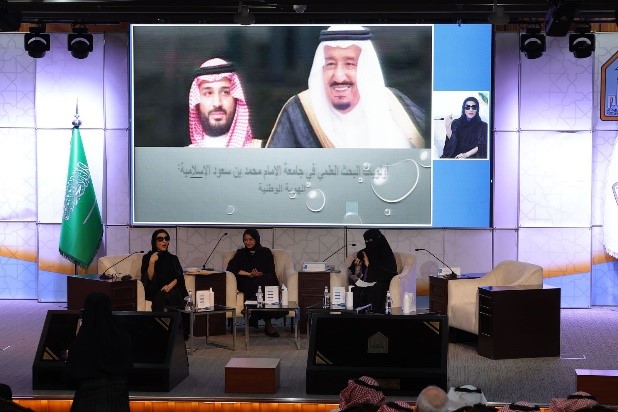
- Policy-Oriented Research at the Prince Naif Institute for
Research and Consulting Services:
The Prince
Naif Institute for Research and Consulting Services at IMSIU plays a
central role in conducting policy-focused and applied research tailored
to the needs of governmental and public sectors. Its research portfolio covers
key national priorities such as good governance, cybersecurity, and
administrative law, directly supporting evidence-based decision-making.
- Agency for Research and
Studies:
The
Institute provides a wide range of services through its Agency for Research and
Studies, including:
https://units.imamu.edu.sa/deanships/PrinceNaifInstitute/Pages/Advisory-services.aspx
- Conducting scientific
research across multiple disciplines and establishing structured
programs for applied studies.
- Reviewing and
evaluating development projects and strategic plans, as well as
refereeing academic studies.
- Offering consultancy
in data collection, reporting, and analysis.
- Providing translation,
proofreading, and scientific/linguistic review services for official
reports and documents.
The
objectives of the Institute are to:
- Attract diverse public
and private sector institutions as research partners.
- Supervise the
implementation of contractual research projects.
- Establish partnerships
with national and international research centers.
- Actively promote and market
applied scientific research.
Recent
statistics highlight the Institute’s significant contributions:
- 26 commissioned
studies completed.
- 90 technical and
financial proposals submitted.
- 32 beneficiary
entities engaged across sectors.
This
demonstrates IMSIU’s commitment to:
- Advancing SDG 16
(Peace, Justice, and Strong Institutions) by producing research that
strengthens governance, security, and legal frameworks.
- Supporting SDG 17
(Partnerships for the Goals) by forging active collaborations with
government agencies, research centers, and community institutions.
Through the Prince Naif Institute, IMSIU has
positioned itself as a national think tank that delivers applied,
high-impact research directly relevant to policy development, governance
reform, and institutional capacity-building. 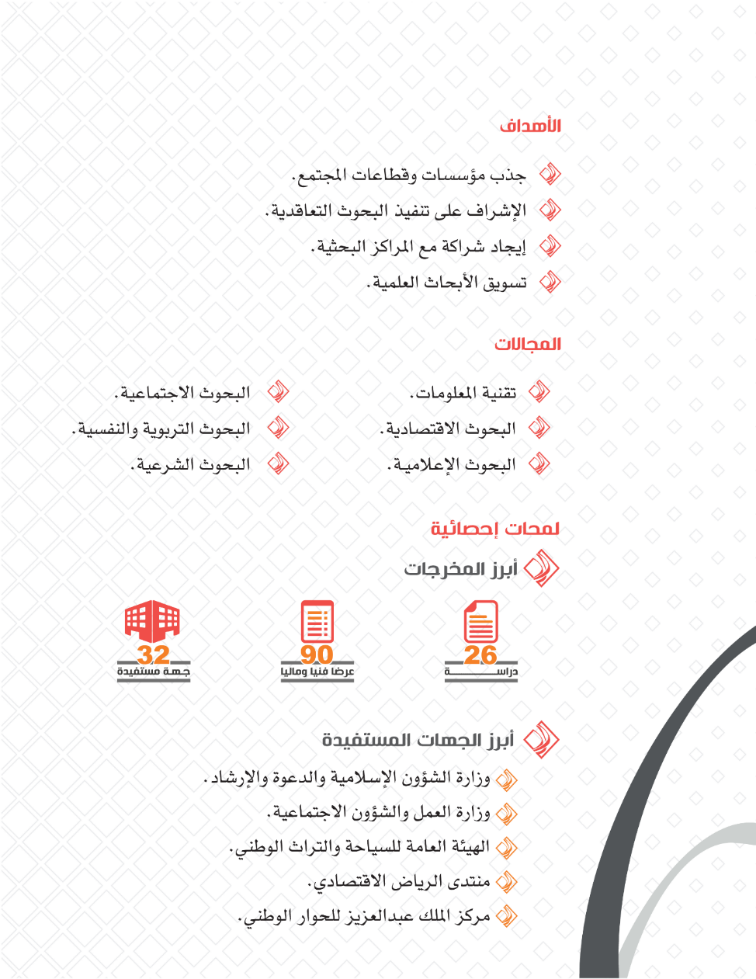
https://units.imamu.edu.sa/deanships/PrinceNaifInstitute/Pages/plans.aspx
The Prince Naif Institute for Research and
Consulting Services at IMSIU provides specialized consulting services
to both the public and private sectors under formal contractual agreements,
with the aim of enhancing institutional efficiency and effectiveness.
The Institute adopts PMI project management methodologies and leverages
the expertise of a multidisciplinary team of consultants and specialists from
both within and outside the university.
Key areas of consultancy include:
- Administrative and strategic consulting.
- Sharia and legal advisory services.
- Economic and financial consulting.
- Academic program evaluation and design.
- Media and communication consulting.
The scope and impact of the Institute’s
consulting services are evidenced by:
- More than 27 beneficiary sectors
served.
- Over 31 consulting projects
successfully delivered.
- More than 23 specialized advisory
services provided.
These activities highlight IMSIU’s contribution
to:
- SDG 16 (Peace, Justice, and Strong
Institutions) by strengthening governance, legal, and institutional frameworks
across diverse sectors.
- SDG 17 (Partnerships for the Goals) by forming structured collaborations
with government agencies, industry stakeholders, and community
institutions.
Through its consulting portfolio, the Prince
Naif Institute reinforces IMSIU’s role as a trusted national partner,
bridging academic expertise with practical, evidence-based solutions that
directly inform policy, governance, and institutional development.
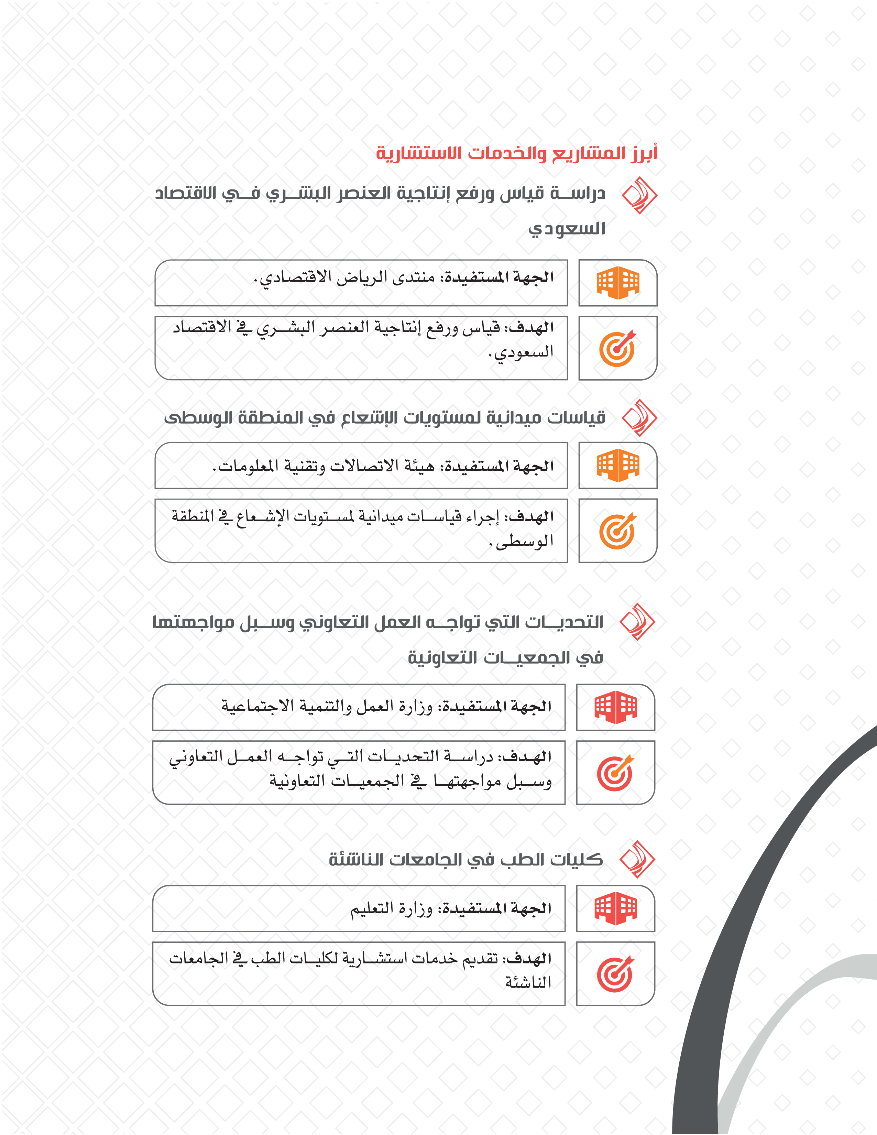
https://units.imamu.edu.sa/deanships/PrinceNaifInstitute/Pages/Qualifying.aspx
The Prince Naif Institute for Research and
Consulting Services at IMSIU offers specialized translation services,
leveraging its competitive advantage in handling multilingual materials and
ensuring high-quality academic and professional output.
Key services include:
- Translation of research studies, books,
reports, and websites from and into Arabic.
- Providing specialized consultancy in
translation across academic, legal, and technical fields.
- Conducting scientific and linguistic
review of materials in both Arabic and English.
These services position the Institute as a strategic
partner in supporting:
- SDG 4 (Quality Education) by facilitating access to multilingual
knowledge resources and ensuring academic accuracy.
- SDG 16 (Peace, Justice, and Strong
Institutions) through the translation of governance, legal, and policy-related
documents that strengthen institutional transparency and accessibility.
- SDG 17 (Partnerships for the Goals) by enabling cross-border and
multilingual collaboration between academia, government, and international
organizations.
By integrating translation and linguistic
expertise into its service portfolio, the Institute reinforces IMSIU’s role
as a knowledge bridge that connects local research and policies with
global academic and policy dialogues.
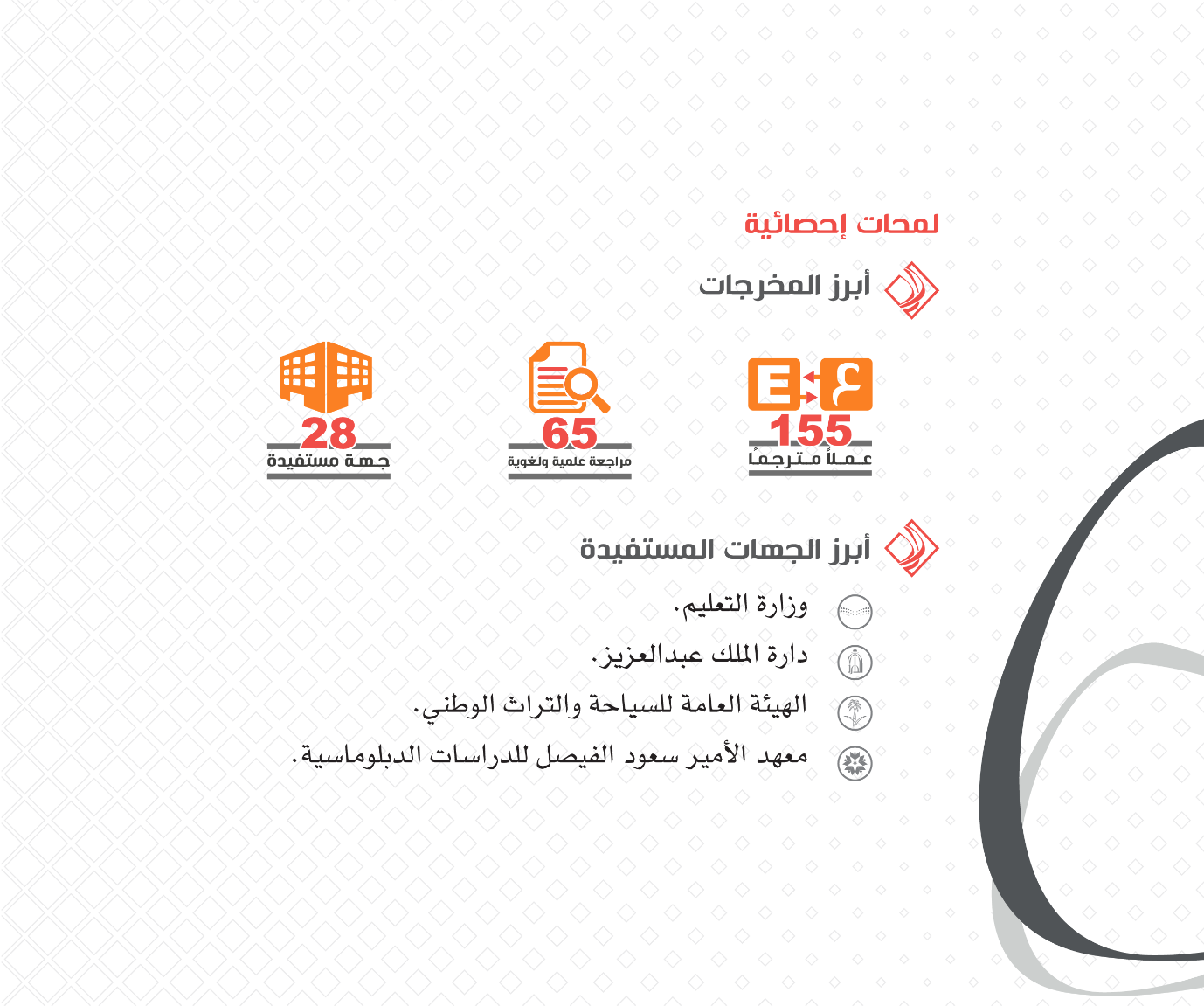
The Prince Naif Institute for Research and Consulting Services at
IMSIU is committed to enhancing human capital development by equipping
employees from both public and private sectors with advanced knowledge and
skills across diverse scientific and professional fields.
The Institute provides comprehensive training solutions that
follow a structured cycle:
- Needs assessment and analysis.
- Program planning and design.
- Implementation and delivery of training modules.
- Evaluation and impact measurement of
training outcomes.
In addition to direct training, the Institute offers:
- Training consultancy services.
- Development of customized training curricula
and toolkits.
- Continuous content updating to align
with new trends and sectoral demands.
Specialized training programs cover a wide spectrum, including:
- Cybersecurity and information technology.
- Financial management skills.
- Legal and regulatory competencies.
- Media, communication, and public relations.
- Leadership and administrative development.
- Human resources management.
- Secretarial and office management skills.
- Personal development and soft skills.
Quantitative impact (latest report):
- 36 training projects successfully implemented.
- 6,338 participants
(male and female) trained.
- 14 beneficiary entities served.
These efforts demonstrate IMSIU’s contribution to:
- SDG 4 (Quality Education) by providing continuous professional
education.
- SDG 8 (Decent Work and Economic Growth) by upskilling the workforce and enhancing
productivity.
- SDG 16 (Peace, Justice, and Strong
Institutions) by empowering
government employees with governance, legal, and administrative skills.
- SDG 17 (Partnerships for the Goals) by collaborating with multiple sectors to
deliver impactful training solutions.
Through its large-scale training and development
initiatives, the Institute reinforces IMSIU’s role as a national
capacity-building hub, directly supporting workforce readiness,
institutional efficiency, and evidence-based policymaking. 
Alignment of
Government-Oriented Research with IMSIU Strategic Plan:
IMSIU’s efforts in conducting policy-focused research in
collaboration with government entities are closely aligned with the IMSIU Strategic Plan pdf (2021–2025). These practices directly
contribute to:
- Strategic Goal 2:
Strengthening local partnerships and integration, by engaging in
collaborative research and applied studies with key government agencies.
- Strategic Goal 5:
Enhancing scientific research and innovation, by producing
evidence-based solutions that address national priorities.
- Strategic Pillar 4: Reinforcing the university’s national
impact in policy-making, by ensuring research outputs contribute to
informed decision-making and governance reform.
This alignment is clearly demonstrated in IMSIU’s partnerships with government
entities such as the Digital Government Authority, Riyadh Cement
Company, and the Saudi Water Authority, where the university has
implemented applied research projects, training programs, and specialized
studies. These initiatives serve national policy priorities, strengthen
institutional governance, and advance the goals of Saudi Vision 2030.
Through such collaborations, IMSIU affirms its role as a knowledge
partner to government sectors, ensuring that academic research contributes
meaningfully to sustainable policy development and national progress.
Neutral Platforms for Dialogue
Among Political Stakeholders
In a rapidly
changing global context, universities play a critical role in offering neutral
and safe platforms where diverse stakeholders can engage in open and
constructive dialogue on political and societal challenges.
IMSIU serves as a national
model in this regard, having institutionalized a culture of dialogue,
coexistence, and mutual understanding across different intellectual
and cultural perspectives. The university achieves this by organizing conferences,
forums, and public events that bring together policymakers, experts,
and community representatives from diverse backgrounds.
This approach is
embedded within IMSIU’s strategic vision that emphasizes
moderation, openness, and constructive engagement, in full alignment with the
goals of Saudi Vision 2030 and the university’s strategic
plan.
- National Media Conference (May 2023):
https://imamu.edu.sa/news/Pages/news_14_5_2023.aspx
As part of its commitment to supporting media development and
strengthening Saudi Arabia’s presence in the regional and global landscape,
IMSIU, represented by the College of Media and Communication, organized
the National Media Conference on 21–22 May 2023 in Riyadh.
The event brought together senior officials, academic and media
leaders, and prominent influencers in cinema and digital media. In his
opening remarks, the University President, Prof. Dr. Ahmed bin Salem
Al-Ameri, emphasized that the conference reflects IMSIU’s national role in
keeping pace with cultural, social, and economic transformations, while
supporting the media sector in addressing contemporary challenges and the rise
of new communication platforms.
The conference served as:
- A neutral platform for open dialogue on
national media strategies.
- A space to develop effective approaches
to promote national content and enhance Saudi Arabia’s positive image
in modern media outlets.
- A model of the university’s contribution to Vision
2030 goals, particularly in shaping policy discussions on
communication, digital transformation, and cultural representation.
Through this initiative, IMSIU demonstrated its capacity to provide a safe
and inclusive environment for stakeholders from government, academia, and
industry to discuss challenges and strategies in the media sector.
- International Conference on the Role of
Universities in Promoting National Belonging and Peaceful Coexistence (April
2024):
https://units.imamu.edu.sa/Conferences/universitiespc/news/Pages/news_25_4_2024.aspx
Under the patronage of the Custodian of the Two Holy Mosques, King
Salman bin Abdulaziz Al Saud, IMSIU organized the International
Conference on the Role of Universities in Promoting National Belonging and
Peaceful Coexistence on 27–29 April 2024 at its main campus in
Riyadh.
The conference hosted experts from 38 countries and featured 26
speakers, offering a truly global dialogue platform. Across its scientific
sessions and 11 specialized workshops, the event focused on:
- The role of universities in embedding values
of national identity, tolerance, and moderation.
- Linking academic work to sustainable
development and societal peace.
- Encouraging academic institutions to integrate
these values into curricular and extracurricular programs.
- Promoting a culture of dialogue,
coexistence, and peace in line with the principles of moderate Islam.
By convening stakeholders from diverse academic, cultural, and policy
backgrounds, IMSIU provided a neutral and safe space for frank
discussions on national and global challenges. The event reinforced the university’s
alignment with SDG 16 (Peace, Justice, and Strong Institutions) by
demonstrating how higher education institutions can act as platforms for
dialogue and peacebuilding.
You can view the most important says by the conference speakers on the
following page:
https://units.imamu.edu.sa/Conferences/universitiespc/Pages/Highlight.aspx 
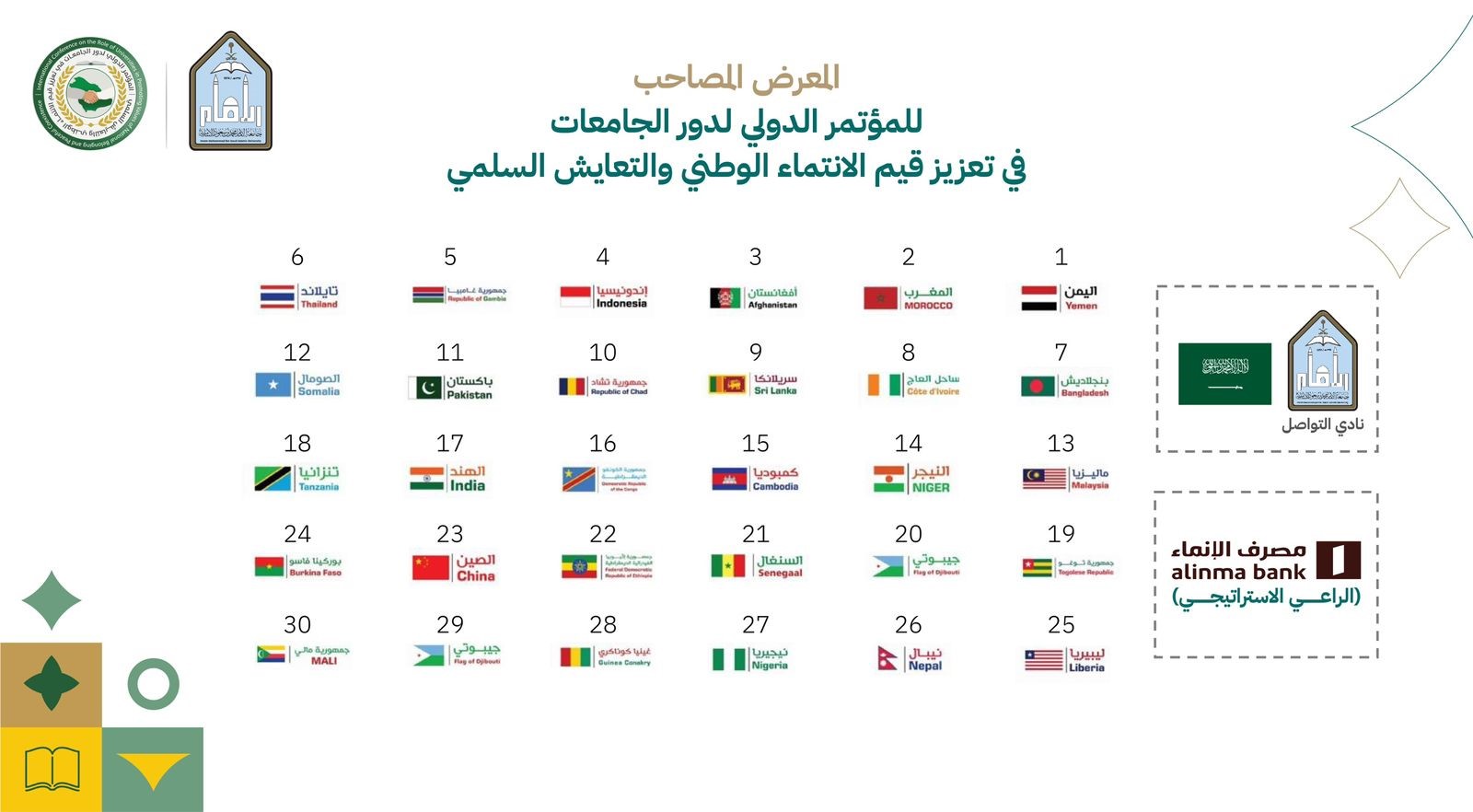
The official conference page can also be accessed on the
IMSIU website via the following link:
https://units.imamu.edu.sa/Conferences/universitiespc/news/Pages/default.aspx
- Third International Conference on “Economy in the
Era of King Abdulaziz: Empowerment, Development, and Sustainability” (January
2025):
https://imamu.edu.sa/news/pages/news_16_1_2025_01.aspx
Under the patronage of the Custodian of the Two Holy Mosques, King
Salman bin Abdulaziz Al Saud, IMSIU organized the Third International
Conference on the History of King Abdulaziz entitled “Economy in the Era
of King Abdulaziz: Empowerment, Development, and Sustainability” on 27–28
January 2025.
The conference aimed to:
- Explore the economic thought and vision
of King Abdulaziz, the founder of modern Saudi Arabia.
- Study the policies that laid the
foundations of the Saudi economy and contributed to long-term
sustainable development.
- Highlight the historical trajectory of empowerment,
development, and sustainability in the Kingdom.
The program featured:
- Four main thematic tracks addressing empowerment, economic development,
and sustainability.
- Participation of leading scholars and
experts from various countries.
- Accompanying activities including panel discussions, workshops, a
historical exhibition, and enrichment initiatives showcasing the economic
legacy of King Abdulaziz.
Through this global academic platform, IMSIU
provided a neutral and safe space for interdisciplinary and
cross-cultural dialogue on economic history, sustainable development, and
national identity. The conference underscores the university’s role in supporting
evidence-based research, preserving national heritage, and contributing to
Vision 2030.
Sixth Judicial Training
Program for Indonesian Judges (2025):
Sixth Judicial Training Program for
Indonesian Judges
The Institute of Higher Judiciary at IMSIU successfully concluded
the Sixth Judicial Training Program for judges from the Republic of
Indonesia, with the participation of 35 judges. The closing ceremony
was attended by the University President, Prof. Dr. Ahmed bin Salem Al-Ameri,
the Chief Justice of Indonesia, Prof. Muhammad Syarifuddin, and the Dean
of the Institute of Higher Judiciary, Prof. Dr. Abdullah bin Ahmed Al-Muhammadi.
This program is part of the long-standing judicial and academic
cooperation between the Kingdom of Saudi Arabia and Indonesia. Since its
inception, the initiative has trained over 192 Indonesian judges, many
of whom now hold senior leadership positions within the Indonesian
judiciary.
The training included:
- Specialized lectures in criminal law
and Islamic judiciary practices.
- Field visits to
courts, museums, and national landmarks.
- A tailored program introducing participants to
the academic and judicial facilities of IMSIU.
The Indonesian delegation praised the academic quality and
organizational excellence of the program, and expressed interest in hosting
future training sessions in Indonesia, citing the program’s significant
contribution to knowledge transfer, professional development, and bilateral
relations.
This initiative illustrates IMSIU’s role in
providing a neutral and safe platform for judicial dialogue, fostering international
capacity-building in legal systems, and reinforcing SDG 16 by strengthening
justice institutions globally.
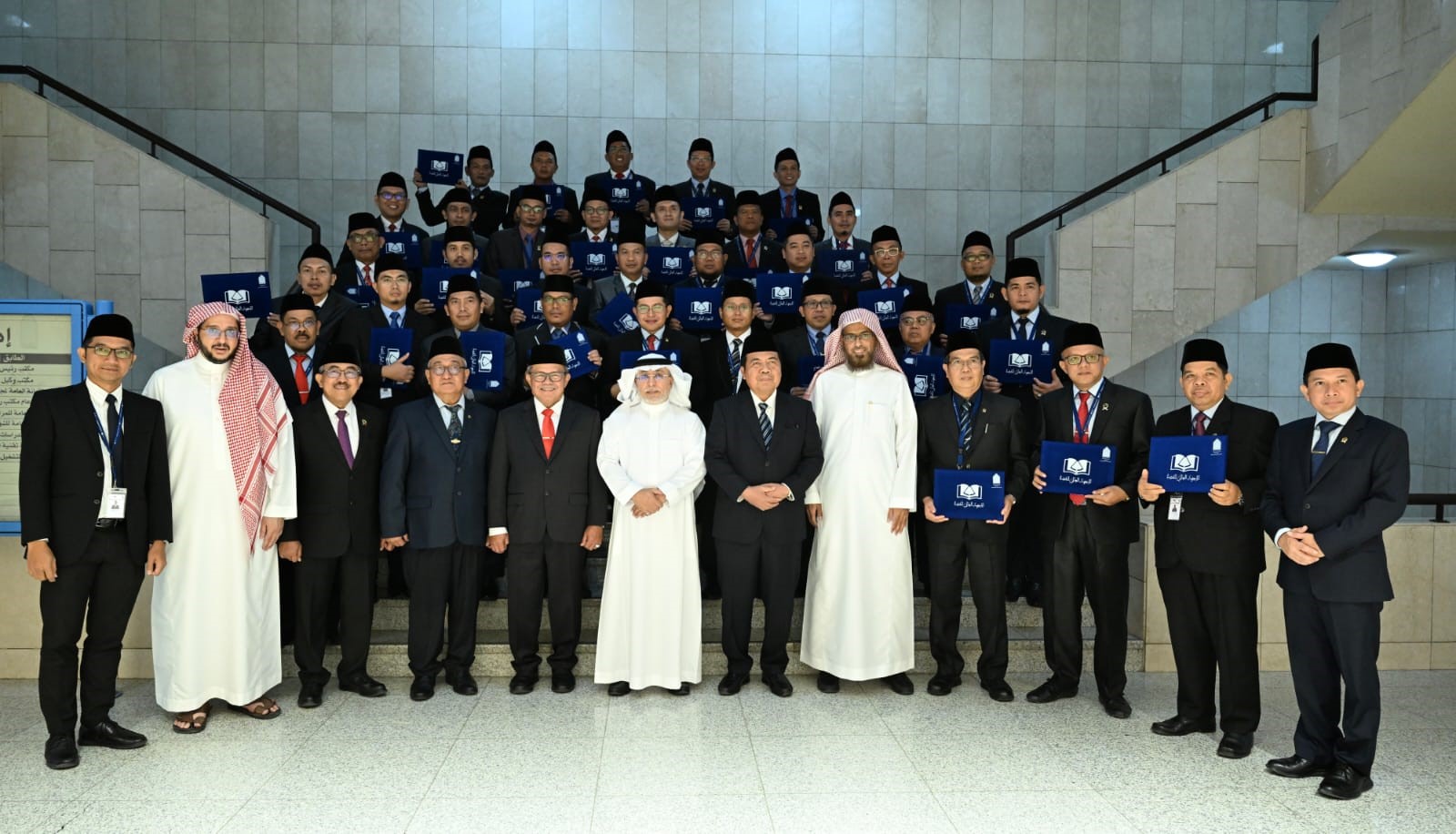
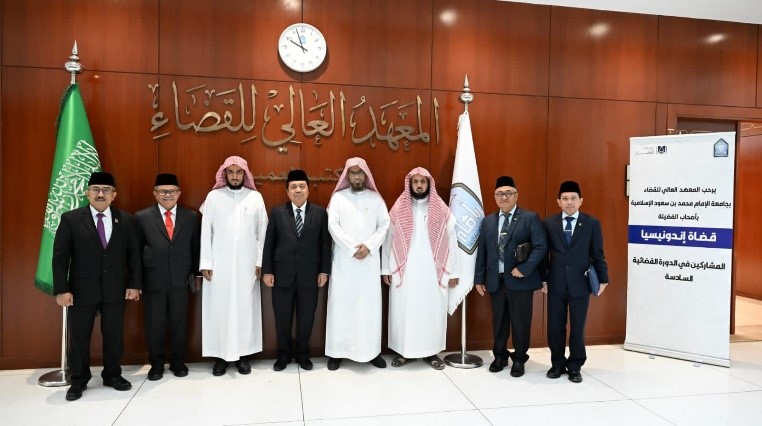
Alignment with IMSIU
Strategic Plan (2021–2025):
IMSIU’s commitment to providing neutral and safe platforms for
political dialogue is directly aligned with the university’s Strategic
Plan (2021–2025). This alignment is reflected in:
- Strategic Goals:
Strengthening community engagement at the local and international levels,
activating partnerships to achieve sustainable development, and enriching
scientific research and innovation in support of Saudi Vision 2030.
- Strategic Pillar 4:
Enhancing the university’s local and global impact by contributing
to national dialogue, fostering a culture of coexistence and
diversity, and promoting inclusive platforms for policy discussion.
Through these initiatives, IMSIU demonstrates
its role as a responsible academic institution that actively supports
national priorities while upholding international best practices in dialogue,
transparency, and societal engagement.